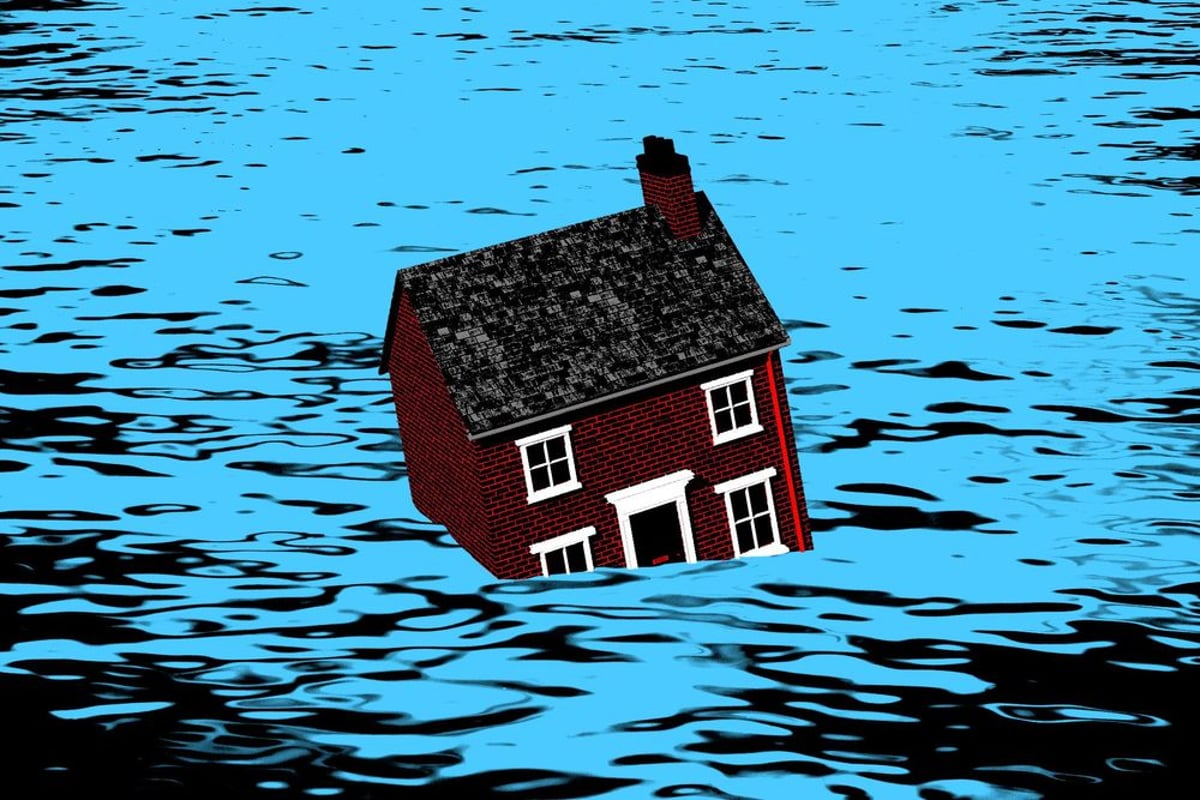
Zillow has quietly removed climate risk ratings from its property listings after facing pressure from real estate industry groups who claimed the data was hurting property values. The move marks a significant retreat from transparency in an era when extreme weather increasingly threatens American homes.
Zillow just made climate change invisible to millions of homebuyers. The real estate giant quietly pulled climate risk ratings from its property listings earlier this month, bowing to pressure from industry groups who complained the data was scaring away potential buyers.
The retreat represents a major step backward for housing market transparency. Until recently, Zillow displayed detailed climate risk scores on each listing, showing the probability of floods, wildfires, extreme heat, wind damage, and poor air quality hitting specific properties over the next 30 years. The feature launched in 2024 using data from First Street, a risk-modeling company whose flood predictions often exceed government estimates by millions of homes.
But the California Regional Multiple Listing Service (CRMLS) wasn't having it. The industry group pressured Zillow to remove the scores, arguing they unfairly tanked property values. "Displaying the probability of a specific home flooding this year or within the next five years can have a significant impact on the perceived desirability of that property," CRMLS CEO Art Carter told The New York Times.
The timing couldn't be more problematic. Climate disasters are hitting record highs, with 2024 seeing $90 billion in weather-related damages across the US. Hurricane Helene alone caused catastrophic flooding in areas previously considered low-risk, while California's wildfire season continues expanding beyond traditional boundaries. Homebuyers are increasingly desperate for reliable risk information as extreme weather becomes the new normal.
Now buyers wanting climate data must navigate to First Street's website separately and manually search for each property - a cumbersome process that most won't bother completing. The company's models show millions more properties face flood risk compared to FEMA's outdated maps, which haven't been comprehensively updated in decades.
The real estate industry's pushback reveals the fundamental tension between climate reality and property values. While accurate risk disclosure protects buyers from purchasing homes in danger zones, it also threatens to expose the true vulnerability of America's housing stock. Properties in high-risk areas could see values plummet if buyers fully understood their exposure to future disasters.
Zillow's capitulation sets a troubling precedent for climate transparency in consumer markets. The company previously faced criticism for its failed home-flipping venture, which lost hundreds of millions due to algorithmic pricing errors. Now it's retreating from providing crucial safety information that could help buyers make informed decisions about their biggest financial investment.
Insurance companies are already voting with their feet, fleeing high-risk markets in Florida and California. State Farm and Allstate have stopped writing new policies in California's fire-prone areas, while flood insurance costs are skyrocketing in vulnerable coastal regions. Without transparent risk disclosure on platforms like Zillow, buyers may unknowingly purchase homes in areas where insurance will become unavailable or prohibitively expensive.
The move also highlights the influence of multiple listing services, which control much of the data flow in residential real estate. These regional organizations, dominated by traditional real estate agents, have historically resisted technological changes that might disrupt established practices or reduce transaction volumes.
Climate scientists warn that extreme weather events will only intensify as global temperatures rise. The National Oceanic and Atmospheric Administration predicts more frequent and severe hurricanes, while wildfire seasons are extending across longer periods and broader geographic areas. Without easy access to risk information, homebuyers are flying blind into an increasingly dangerous future.
Zillow's decision to hide climate risk data represents a concerning victory of real estate industry interests over buyer safety and transparency. As extreme weather becomes more frequent and destructive, homebuyers deserve access to comprehensive risk information when making potentially life-altering investment decisions. The move may protect short-term property values, but it leaves millions of Americans vulnerable to purchasing homes in increasingly dangerous locations without full knowledge of the risks they're assuming.