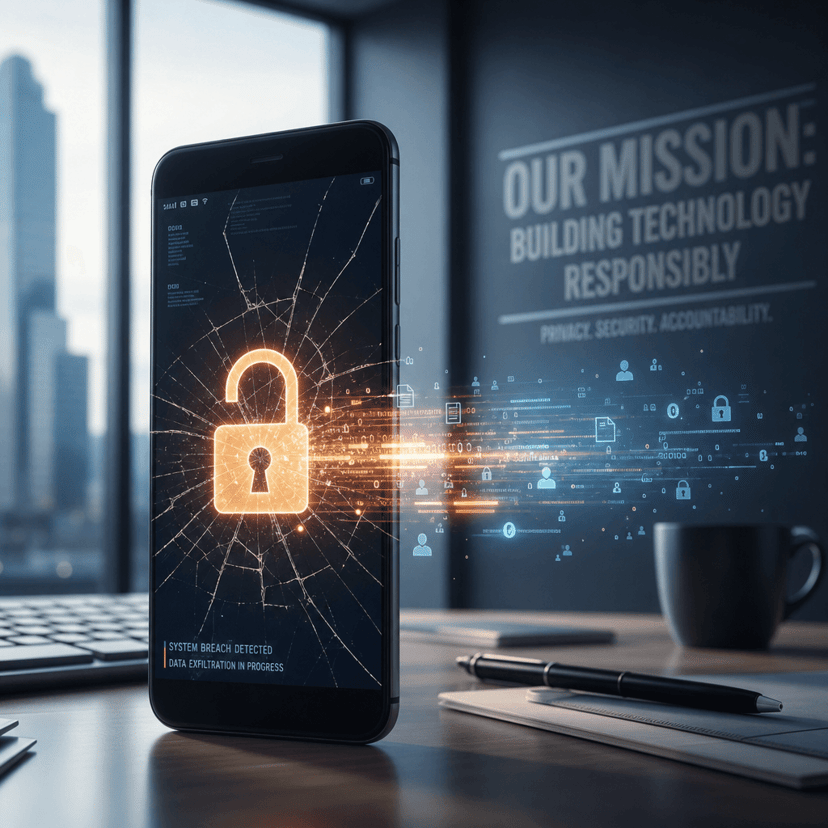
7-Eleven is notifying over 185,000 people that their personal information - including Social Security numbers, birth dates, and home addresses - was compromised in a data breach, according to state government records. The convenience store chain joins a growing list of retailers grappling with cyberattacks that expose customers' most sensitive data, raising fresh questions about security practices in the retail sector.
7-Eleven confirmed it's notifying more than 185,000 individuals about a data breach that exposed some of their most sensitive personal information, according to state government records reported by TechCrunch. The compromised data includes full names, dates of birth, postal addresses, and Social Security numbers - essentially everything an identity thief needs to open fraudulent accounts or file fake tax returns.
The disclosure comes as retailers face mounting scrutiny over their cybersecurity practices. While 7-Eleven operates over 13,000 stores across North America and processes millions of transactions daily, the company hasn't yet revealed critical details about the incident. When the breach occurred, how long attackers had access to systems, and what specific security failures allowed the intrusion remain unanswered questions.
What makes this breach particularly concerning is the combination of data exposed. Social Security numbers alone represent a permanent identity marker that can't be changed like a credit card number. Paired with birth dates and addresses, criminals have everything needed to commit comprehensive identity fraud. Security experts consistently rank SSN exposure as the most serious type of data breach because of the long-term risks it creates for victims.
The timing raises additional red flags. The breach notification comes amid a wave of cyberattacks targeting retail and hospitality companies, many linked to sophisticated criminal groups. Tags in the original report reference ShinyHunters, a notorious hacking collective known for massive data thefts and selling stolen information on dark web marketplaces. Whether this group is connected to the 7-Eleven incident remains unclear, but the reference suggests investigators may be exploring that angle.
7-Eleven's parent company Seven & i Holdings has been pushing digital transformation initiatives across its global operations, including mobile payments and loyalty programs that collect customer data. This modernization creates new attack surfaces that cybercriminals actively exploit. The company hasn't disclosed whether the breach originated from its point-of-sale systems, back-office infrastructure, or third-party vendors - a common weak point in retail security.
For the 185,000+ affected individuals, the immediate concern is identity monitoring and fraud prevention. Victims should freeze their credit reports with all three major bureaus, monitor financial accounts for suspicious activity, and file taxes early to prevent fraudulent returns. Many data breach victims don't discover they've been compromised until months or years later when criminals use their information.
The retail sector has become a prime target for cybercriminals because of the volume of personal and financial data these companies hold. Unlike financial institutions that face strict regulatory oversight and security requirements, retailers often lack the same level of cybersecurity investment and expertise. This incident underscores that gap, particularly for companies managing sensitive employee or customer records beyond basic transaction data.
What remains troubling is 7-Eleven's silence on key aspects of the breach. Transparency about attack vectors, response timelines, and security improvements helps other companies defend against similar threats. The lack of detail in the state government filing suggests either an ongoing investigation or reluctance to disclose the full scope of what happened.
The breach notification requirement varies by state, but most mandate disclosure when Social Security numbers are compromised. The fact that 7-Eleven is reporting 185,000+ affected individuals indicates this crosses multiple state thresholds, potentially triggering regulatory scrutiny from state attorneys general who've become increasingly aggressive about enforcing data protection standards.
As the retail industry continues digitizing operations and collecting more customer data, incidents like this highlight the critical need for robust cybersecurity measures. The question isn't just about recovering from this breach - it's about whether 7-Eleven and other retailers are taking sufficient steps to prevent the next one.
The 7-Eleven data breach serves as another stark reminder that no company is immune to cyberattacks, and the consequences for everyday people can be severe and long-lasting. With Social Security numbers and complete identity profiles now in criminal hands, affected individuals face years of potential fraud risks. What happens next - both in terms of 7-Eleven's response and the broader retail industry's security posture - will determine whether this becomes an isolated incident or another chapter in retail's ongoing cybersecurity crisis. For now, 185,000 people are left wondering how their most sensitive information slipped through the cracks.