The AI boom is hitting makers where it hurts most - their wallets. Raspberry Pi just announced immediate price increases across its popular single-board computer lineup, with some models jumping $25 as memory costs skyrocket. The company blames AI infrastructure rollouts for creating a perfect storm in the RAM market that's forcing even the most budget-conscious hardware maker to break its affordable computing promise.
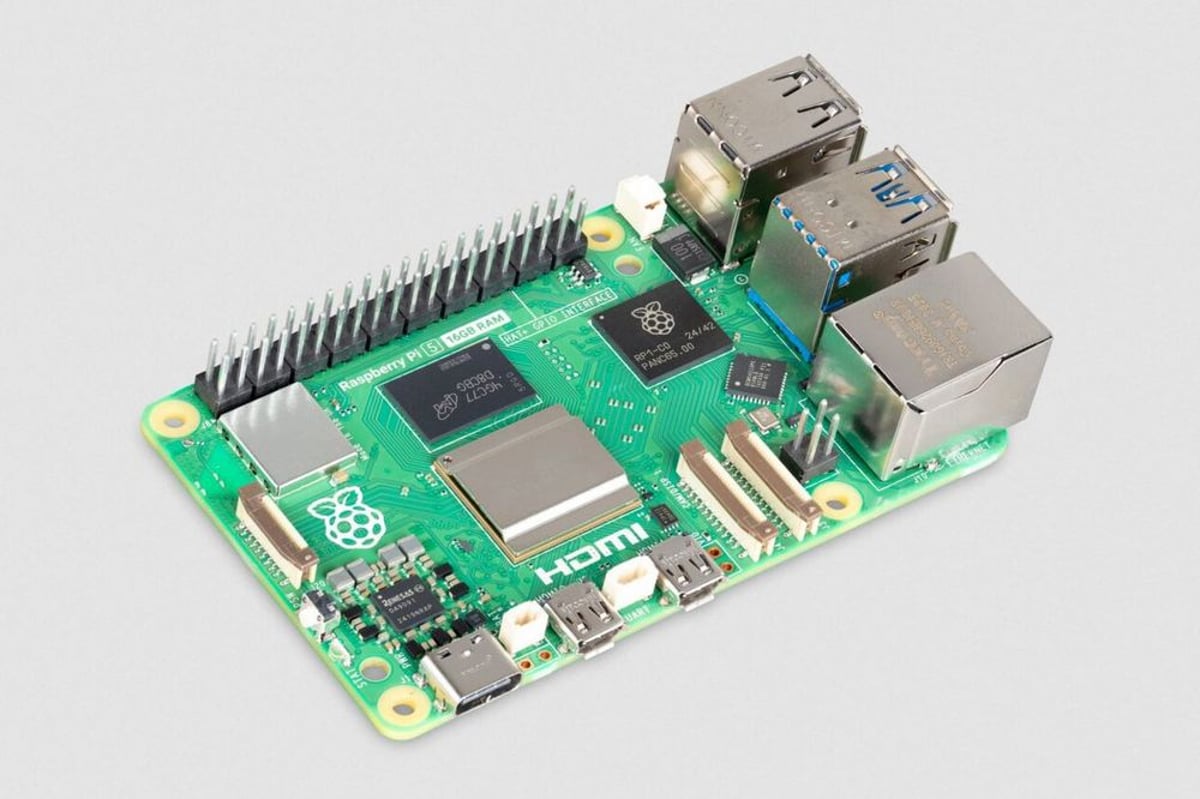
Raspberry Pi just shattered its own affordability promise. The company that built its reputation on democratizing computing is raising prices across its entire Raspberry Pi 4 and 5 lineup, effective immediately. The culprit? AI companies are gobbling up so much memory that even the humble single-board computer can't escape the feeding frenzy.
The numbers tell the story of a market under siege. The 16GB Raspberry Pi 5, previously the flagship at $120, now costs $145 - a brutal 20% jump that pushes the device well beyond impulse-buy territory. The 8GB model climbs from $80 to $100, while even the 4GB variant sees a $10 bump to $65. According to CEO Eben Upton's announcement, this isn't just market forces - it's market warfare.
"The current pressure on memory prices, driven by competition from the AI infrastructure roll-out, is painful but ultimately temporary," Upton explained, though his timeline for relief remains conspicuously vague. The statement reads like a tech executive's version of 'this too shall pass,' but for makers and educators depending on affordable Pi hardware, temporary pain translates to real budget strain.
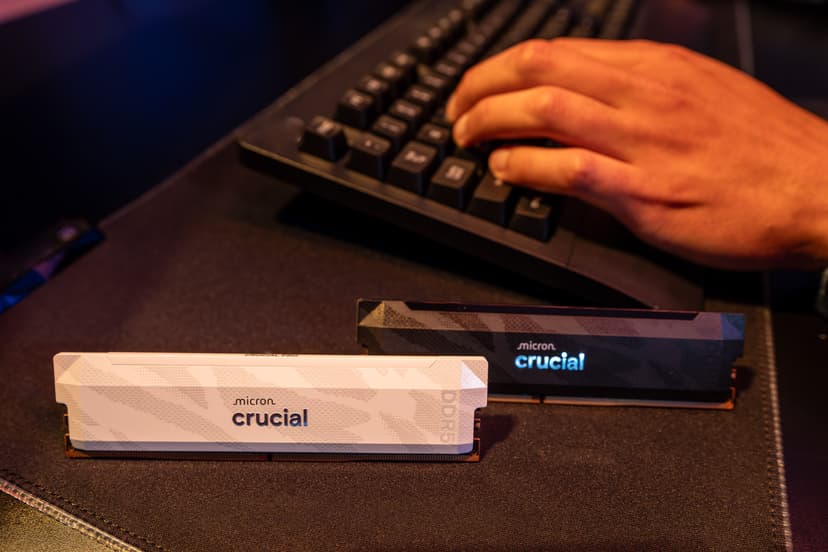
The timing couldn't be worse for the broader ecosystem. CyberPowerPC and Maingear already warned customers about RAM-driven price hikes, while some retailers are selling memory at market prices rather than fixed retail rates. This creates a cascade effect where every layer of the computing stack - from datacenter giants to weekend hobbyists - fights over the same silicon.
Raspberry Pi's response shows both pragmatism and desperation. While raising prices across the board, the company simultaneously launched a new 1GB Raspberry Pi 5 at $45, trying to maintain an entry point for price-sensitive buyers. The move feels like corporate aikido - using market pressure to create new product tiers rather than simply absorbing costs.
The 1GB model includes the same quad-core 2.4GHz Arm Cortex-A76 processor, dual-band Wi-Fi, and PCI Express port as its beefier siblings, making it viable for basic projects and learning applications. But 1GB of RAM in 2025 feels like a compromise born of necessity rather than design vision.
This isn't just about Pi prices - it's about AI's hidden tax on the entire computing ecosystem. When OpenAI, Google, and cloud providers bid against each other for memory supplies, the ripple effects reach every corner of the market. Educational programs that relied on $35 Raspberry Pis now face budget recalculations. Hobbyists planning home automation projects must weigh whether that extra $25 justifies the upgrade.
The semiconductor industry has seen these cycles before, but this one feels different. Previous shortages stemmed from supply disruptions or cryptocurrency mining booms - finite events with predictable endpoints. AI infrastructure represents a structural shift in demand that may never fully subside. As Nvidia GPUs command premium prices and hyperscalers expand globally, memory becomes the chokepoint that constrains everything else.
For Raspberry Pi, the price increases represent an existential challenge to its mission. The company built its brand on the promise that computing power should be accessible to everyone, not just those who can afford premium hardware. Now it's caught between maintaining that vision and surviving in a market where AI companies can outbid anyone for components.
The broader hardware industry watches nervously. If Raspberry Pi - arguably the most cost-conscious major hardware company - can't hold the line on pricing, what hope do others have? The answer may determine whether the AI boom ultimately expands access to technology or creates new barriers to entry.
What happens next depends largely on how long AI infrastructure spending stays at current levels and whether alternative memory technologies can scale fast enough to ease pressure. Until then, makers and educators will have to decide whether their projects are worth the premium that artificial intelligence has imposed on everyone else.
Raspberry Pi's price increases mark a watershed moment where AI's appetite for computing resources finally caught up with the dream of universally affordable hardware. The company's promise to reverse these increases 'once pressure abates' feels optimistic given that AI infrastructure spending shows no signs of slowing. For now, the democratization of computing just got more expensive, and makers worldwide are paying the price for Silicon Valley's race to artificial general intelligence.