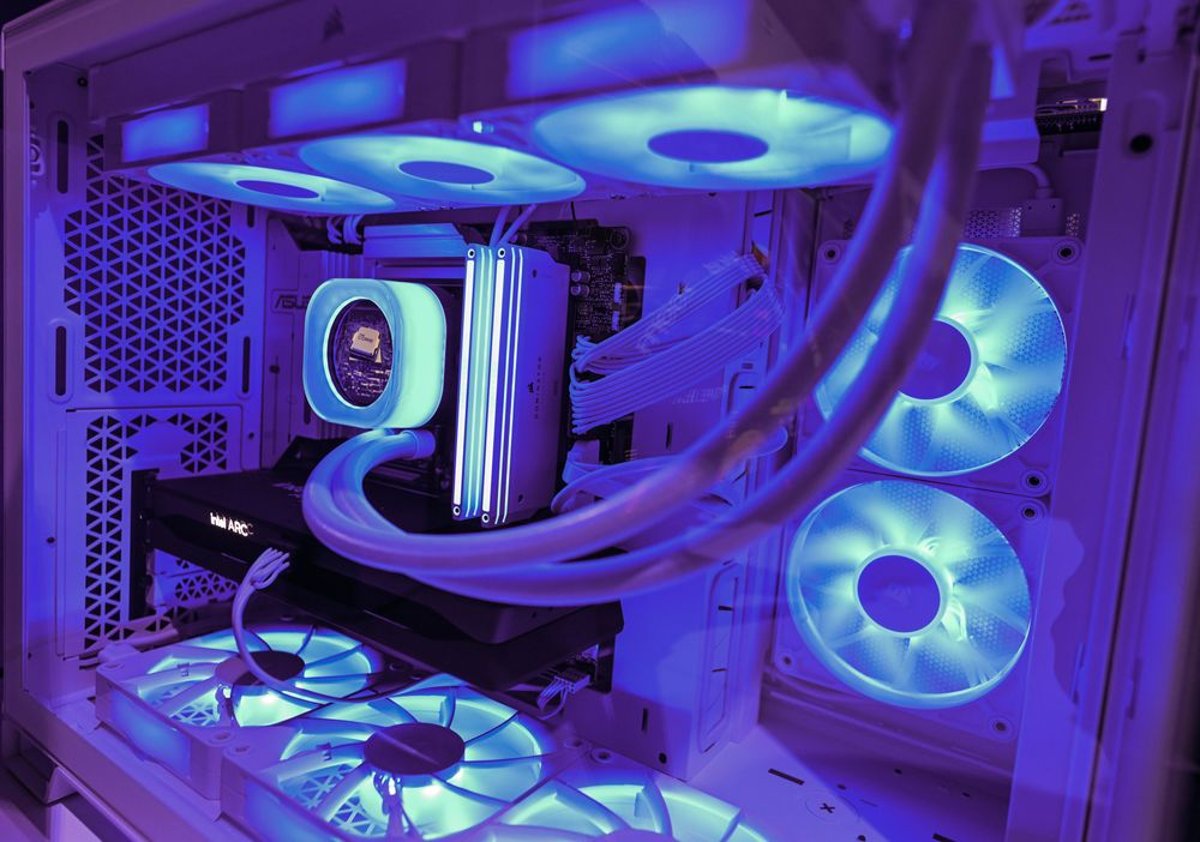
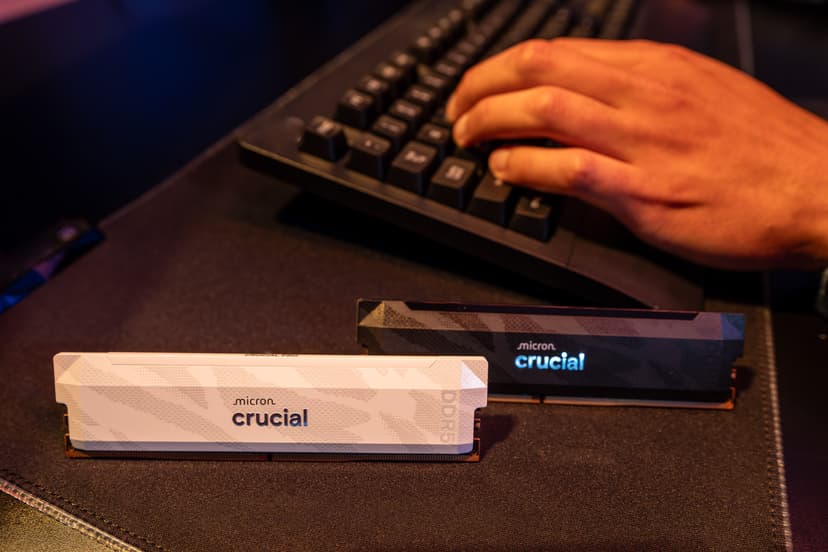
The artificial intelligence boom is hitting PC gamers where it hurts most - their wallets. RAM prices have exploded 500% in recent weeks as AI companies hoover up memory for data centers, forcing major PC builders like CyberPowerPC and Maingear to announce price increases just as Black Friday shoppers gear up for hardware deals.
The numbers tell a brutal story for PC gaming enthusiasts. CyberPowerPC dropped the bombshell on Wednesday, announcing across-the-board price adjustments starting December 7th after RAM costs skyrocketed 500% and SSD prices jumped 100%. The company's statement on X was blunt: "This has had a direct impact on the cost of building gaming PCs since 10/1/25."
The timing couldn't be worse for consumers hunting Black Friday deals. While shoppers expected discounts on gaming rigs, they're instead facing a supply crunch that's turning computer components into luxury goods. Some brick-and-mortar stores have started pricing RAM like seafood - at market rates that fluctuate daily based on availability.
Maingear CEO Wallace Santos is fighting to keep prices stable, but even he's sounding the alarm. "I anticipate that the prices will continue to rise and then we will eventually have to increase our lead times as stock and allocation becomes constrained," Santos told Wccftech. The company is in "constant communication with our vendors" to delay increases as long as possible.
Behind this chaos lies the AI revolution's insatiable appetite for memory. Tech giants are racing to build massive data centers to power their artificial intelligence systems, creating unprecedented demand for the same RAM components that gamers need. This isn't just about a few extra dollars - we're talking about fundamental shifts in supply chains that took decades to establish.
Skytech Gaming joined the chorus of affected companies, posting on Facebook that it's "getting hit with RAM price increases too," though pricing changes haven't hit their website yet. The pattern emerging across major PC builders suggests this isn't an isolated supply hiccup but a systemic market shift.
Santos offered a stark warning to consumers: start "shopping now" if you need memory or storage upgrades. While this might sound like typical Black Friday marketing, the CEO insisted his current inventory has been "sheltered from these price increases" - implying future stock won't be as lucky.
The ripple effects extend beyond gaming PCs. Business computers, workstations, and consumer laptops all rely on the same memory components now commanding premium prices. CyberPowerPC maintains the price surge will be "temporary" and expects costs to normalize "when market conditions change," but that timeline remains unclear.
Industry watchers point to similar patterns in graphics cards during cryptocurrency mining booms, where consumer hardware became collateral damage in larger technology shifts. The difference now is scale - AI's memory requirements dwarf what crypto miners ever demanded, and tech companies have deeper pockets than individual miners ever did.
For consumers, the message is clear: this Black Friday represents a potential last stand for reasonable PC pricing. Once current inventory clears and manufacturers adjust to the new cost structure, building or upgrading a gaming PC may become significantly more expensive than anyone anticipated just months ago.
The collision between AI's explosive growth and consumer PC gaming represents more than a temporary supply crunch - it signals how emerging technologies can reshape entire markets overnight. While PC builders promise the price surge is temporary, the underlying demand driving it shows no signs of slowing. Gamers and PC enthusiasts face a new reality where their hobby competes directly with some of tech's biggest players for the same components, and those players have virtually unlimited budgets.