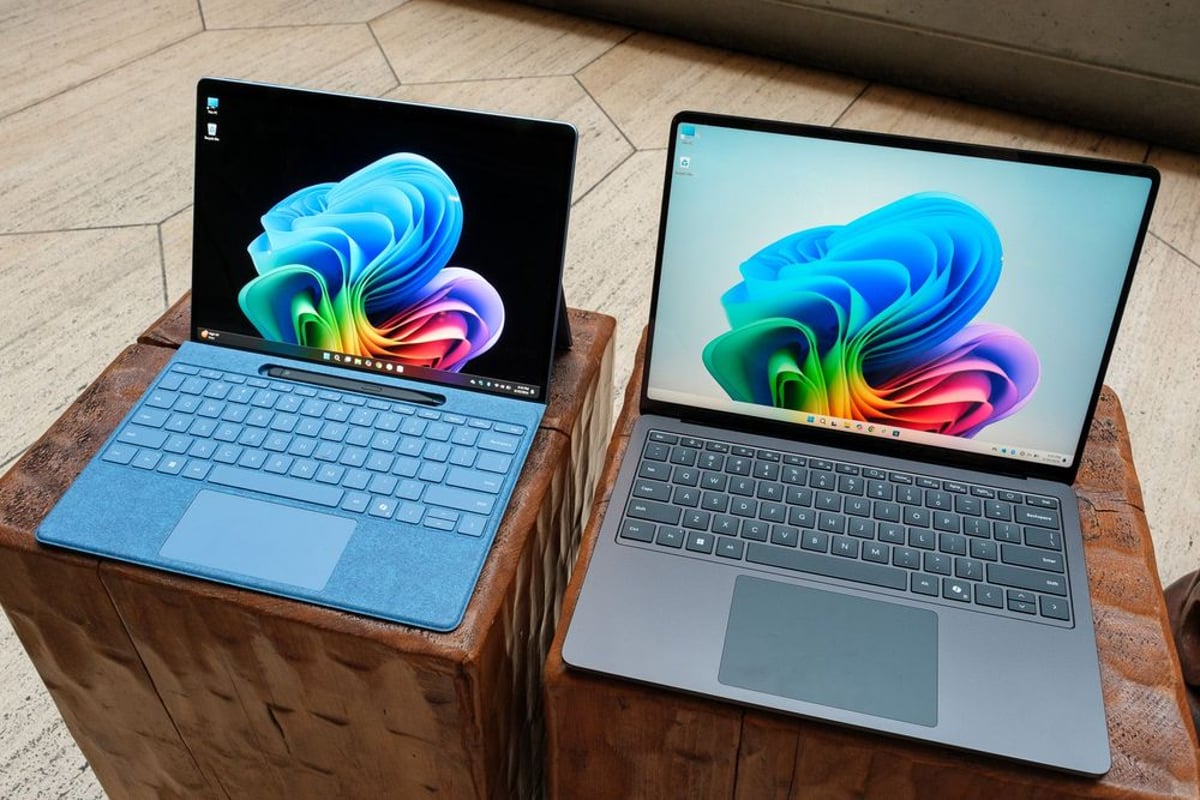
Windows on Arm just leveled up its gaming credentials. After a rocky launch last year where games barely worked, Qualcomm is rolling out its Snapdragon Control Panel this week - complete with automatic game detection, driver updates, and crucially, anti-cheat support for Fortnite. The move signals a major push to make Arm-based laptops viable gaming machines.
Last year's promise that games would "just work" on Snapdragon X Elite laptops turned out to be wishful thinking. Now Qualcomm is making good on that vision with a comprehensive gaming overhaul that puts Windows on Arm back in the conversation for serious PC gaming.
The centerpiece is Qualcomm's new Snapdragon Control Panel, launching this week with automatic game detection and optimization. Think of it as AMD's or Nvidia's control software, but specifically tuned for Arm-based processors. The panel automatically scans your installed games and applies optimized settings for frame rate caps, anti-aliasing, and texture filtering.
But the real breakthrough is under the hood. Microsoft's Prism emulator now supports x86 Advanced Vector Extensions (AVX), the instruction set that many modern games and creative applications require. Without AVX support, titles would simply refuse to launch or crash immediately. Qualcomm says it's made fixes and improvements for over 100 games since last year's launch, with the new Snapdragon X2 Elite chips adding AVX2 emulation support.
The Microsoft Xbox app on Windows on Arm has also shed its cloud-only limitations. When Copilot Plus PCs first launched, the Xbox app was basically a portal to Xbox Cloud Gaming - you couldn't even browse your library or download games from PC Game Pass. That frustrating restriction is now history, with full ARM64 game downloads available.
Perhaps most significantly, Qualcomm has partnered with Epic Games to bring Fortnite to Windows on Arm with complete kernel-level anti-cheat support. This isn't just about one game - it's proof that complex anti-cheat systems can work on Arm architecture. The company is already in talks with other major anti-cheat providers including Tencent's Anti-Cheat Expert, Roblox's Hyperion, Denuvo, and BattleEye.
The timing is perfect, coinciding with Fortnite's debut on the Xbox PC store - the first time Epic has released the game on another PC launcher. The partnership also ties into Microsoft's Game Pass Ultimate, bringing Fortnite Crew subscriptions to Game Pass subscribers.
For laptop manufacturers betting on Arm processors, these improvements represent validation of their strategy. The promise of all-day battery life combined with solid gaming performance could finally give traditional x86 laptops real competition. Early Snapdragon X Elite devices impressed with their efficiency and AI capabilities but fell short on gaming compatibility.
Still, this is early days. Performance and compatibility remain inconsistent across different titles, and many popular games still won't run at all. Compatibility tracking sites show the ecosystem is improving but nowhere near the "just works" experience of traditional gaming laptops.
The real test will be whether major game publishers start developing ARM64 native versions of their titles, rather than relying on emulation. Native ARM games would unlock the full performance potential of these chips while eliminating the translation overhead that currently limits frame rates.
Windows on Arm gaming has gone from afterthought to legitimate option in just one year. The combination of Qualcomm's Control Panel, Microsoft's emulator improvements, and key partnerships with game developers shows both companies are serious about competing in the gaming laptop market. While we're still not at the "just works" promise, these updates represent the foundation for a genuine alternative to traditional x86 gaming machines - especially for users who value battery life alongside performance.