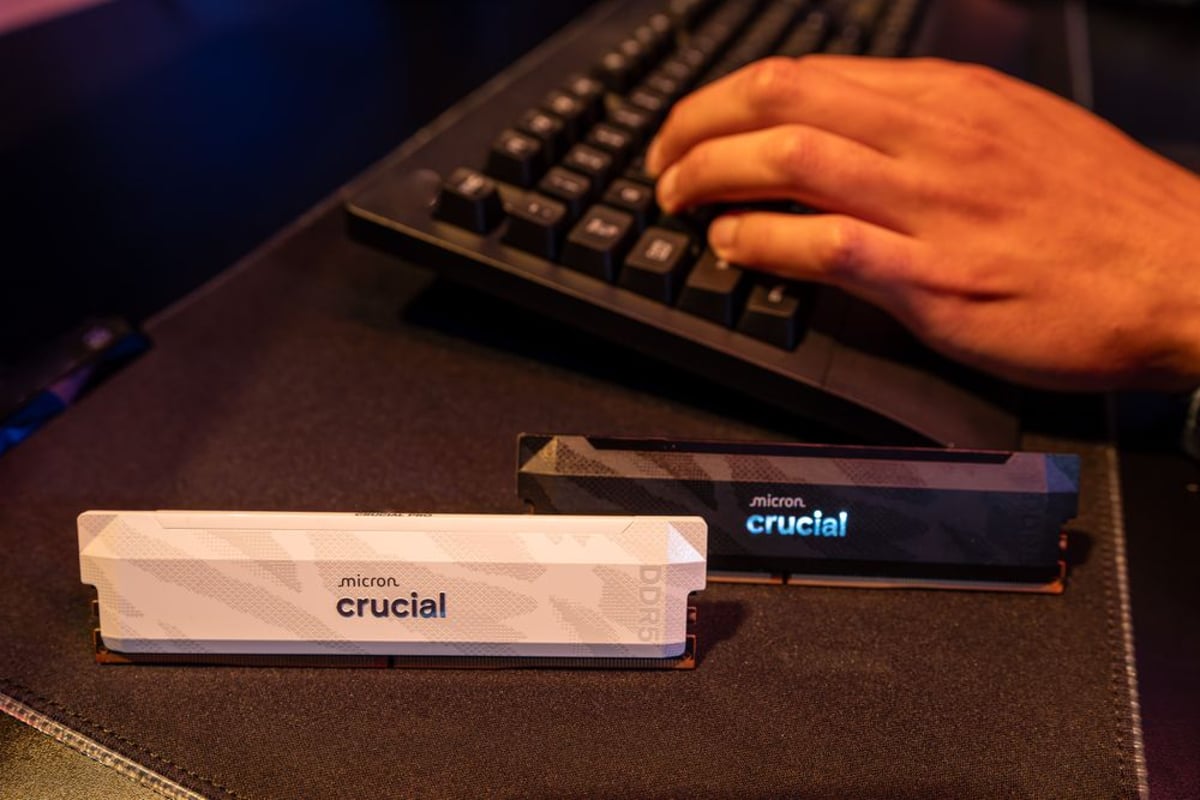
The PC building community just lost one of its most trusted allies. Micron announced Wednesday it's shuttering the Crucial brand - ending decades of budget-friendly RAM and SSD sales to consumers - so it can redirect all that memory capacity to AI companies willing to pay premium prices. The move comes as global memory shortages already have PC builders scrambling for affordable components.
Micron just delivered a gut punch to the PC building community. The memory giant announced Wednesday it's retiring the Crucial brand entirely, ending what's been a go-to source for affordable RAM and SSDs since the late 1990s. The reason? AI companies are paying so much more for memory that consumer sales aren't worth the hassle anymore.
The timing couldn't be worse for PC enthusiasts already dealing with a brutal memory crunch. According to Micron's investor announcement, winding down consumer operations will "improve supply and support for our larger, strategic customers in faster-growing segments." Translation: OpenAI, Microsoft, and other AI giants are writing bigger checks.
Just look at the numbers driving this shift. OpenAI struck deals with SK Hynix and Samsung to produce up to 900,000 DRAM chips monthly for its Stargate infrastructure project. That's industrial-scale demand that dwarfs what even the most ambitious gaming rig requires. When AI training clusters need thousands of high-bandwidth memory modules per rack, consumer sales start looking like pocket change.
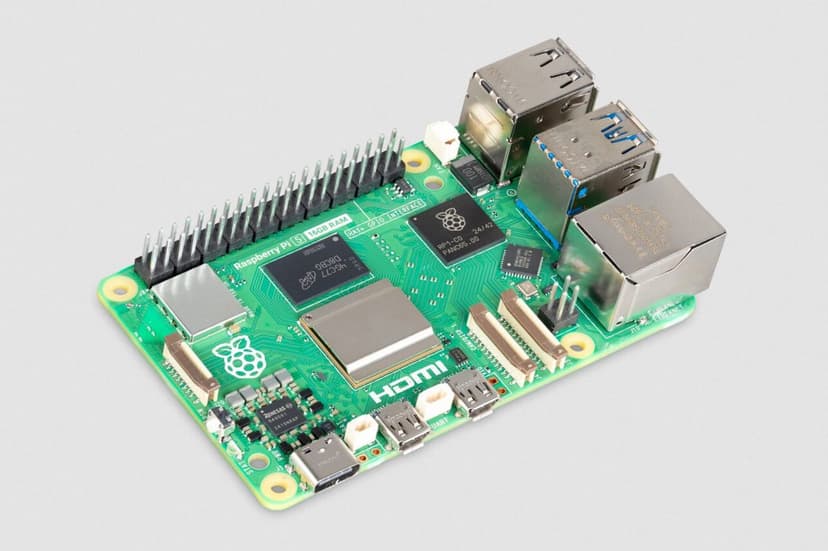
The ripple effects are already hitting the market hard. CyberPowerPC has been forced to raise prices on gaming systems due to soaring RAM costs. Framework stopped selling standalone RAM modules entirely, anticipating even higher prices ahead. Even Raspberry Pi had to increase prices, while HP is considering either raising device costs or shipping products with less memory.
Crucial's exit removes a major player from an already constrained market. The brand has been Micron's consumer face for over 25 years, offering everything from basic system upgrades to high-performance gaming memory. PC builders relied on Crucial as a reliable middle ground - not the cheapest option, but dependable and widely available. Now that capacity gets redirected to enterprise customers.
The broader memory industry is essentially restructuring around AI demand. While traditional PC sales have been flat or declining, AI infrastructure spending is exploding. Training large language models requires massive amounts of high-bandwidth memory, and companies are willing to pay whatever it takes to secure supply. This creates a two-tier market where consumer needs get squeezed out.
Micron will honor existing Crucial warranties and keep shipping products through February 2026, giving the market time to adjust. But the writing's on the wall - consumer memory is becoming a low-priority afterthought as chipmakers chase AI gold. Other brands like Corsair, G.Skill, and Kingston will likely see increased demand, but whether they can fill the gap remains unclear.
The shutdown also signals how quickly AI spending is reshaping entire industries. Memory makers are essentially abandoning decades-old consumer relationships for the promise of enterprise AI contracts. It's a bet that AI infrastructure spending will continue growing faster than traditional computing markets.
For PC builders, this means fewer options and higher prices ahead. The enthusiast community that kept companies like Crucial profitable for decades now finds itself priced out by algorithms that need more RAM than most people can imagine. The irony is stark - the technology that's supposed to democratize computing is making basic components less accessible to regular users.
Micron's decision to kill Crucial represents more than just another brand casualty - it's a preview of how AI demand is reshaping entire industries. As memory makers chase higher-margin enterprise deals, consumers are left with fewer choices and rising prices. The PC building community that sustained these companies for decades now faces a future where their needs come second to training the next generation of AI models. It's a stark reminder that in today's tech landscape, algorithms often get priority over enthusiasts.