Apple just made a surprising strategic U-turn that signals the company's first major product misstep in years. After reportedly spending up to $33 billion developing the Vision Pro, the tech giant has shelved plans for a cheaper version and is now scrambling to catch up with Meta in the smart glasses market by 2027.
Apple is making a rare admission of strategic error. The company that built its reputation on patient product development is now fast-tracking a complete pivot from premium mixed reality headsets to lightweight smart glasses, hoping to salvage its position in the wearables race that Meta currently dominates.
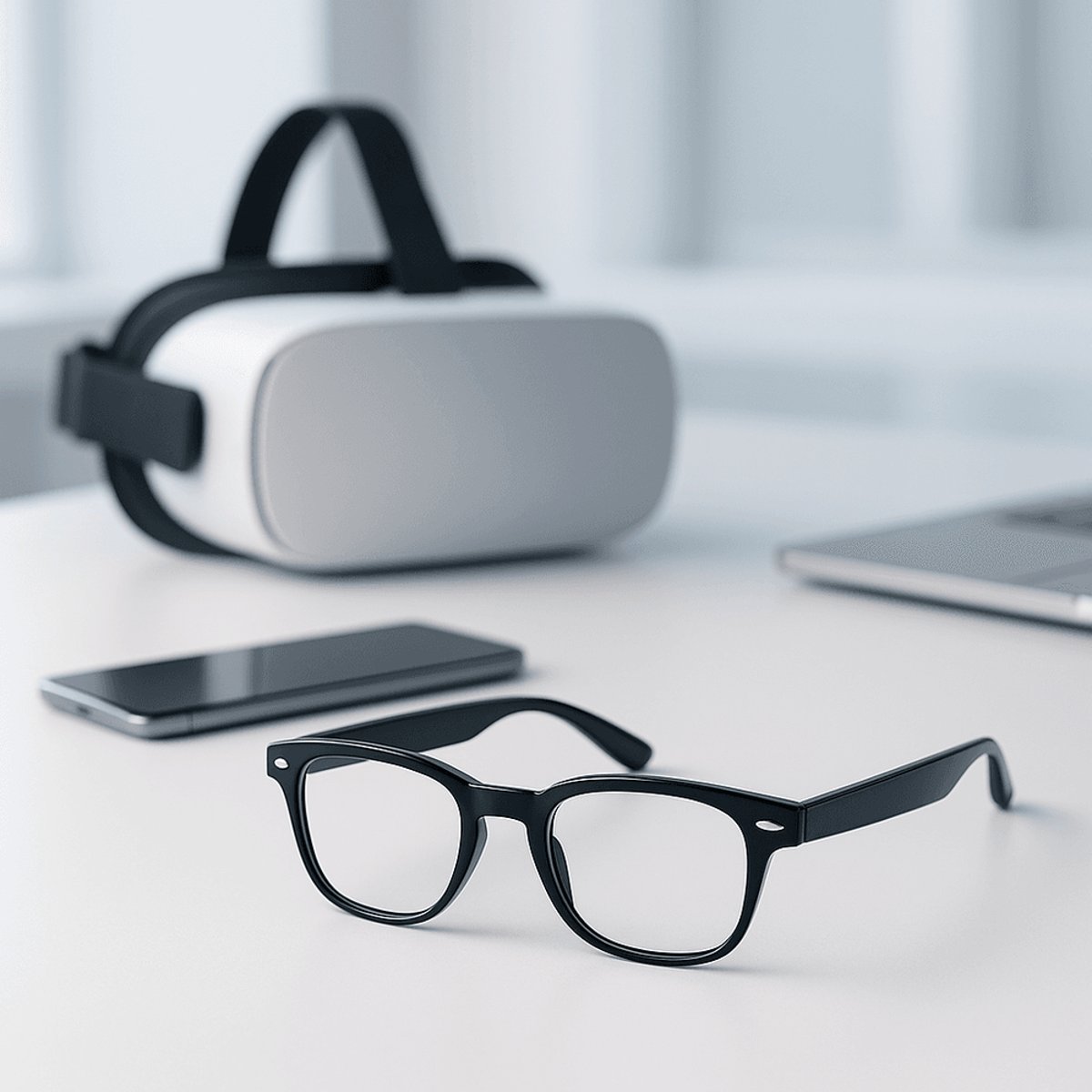
The pivot comes after devastating financial reality hit Cupertino hard. According to internal announcements reported by Bloomberg's Mark Gurman, Apple has deprioritized its planned cheaper Vision Pro variant to redirect resources toward AI-enabled smart glasses. The first pair targeting a 2027 launch will mimic Meta's approach - basic frames with voice AI and camera capabilities. A more advanced version with display technology follows in 2028.
"It does seem that Apple is just kind of spinning," says Michael Gartenberg, a tech analyst and former Apple marketing director. "For the first time in a long time, Apple feels like they're out of the conversation." That conversation increasingly centers on devices that keep smartphones in pockets rather than hands - a direct threat to Apple's core revenue engine.
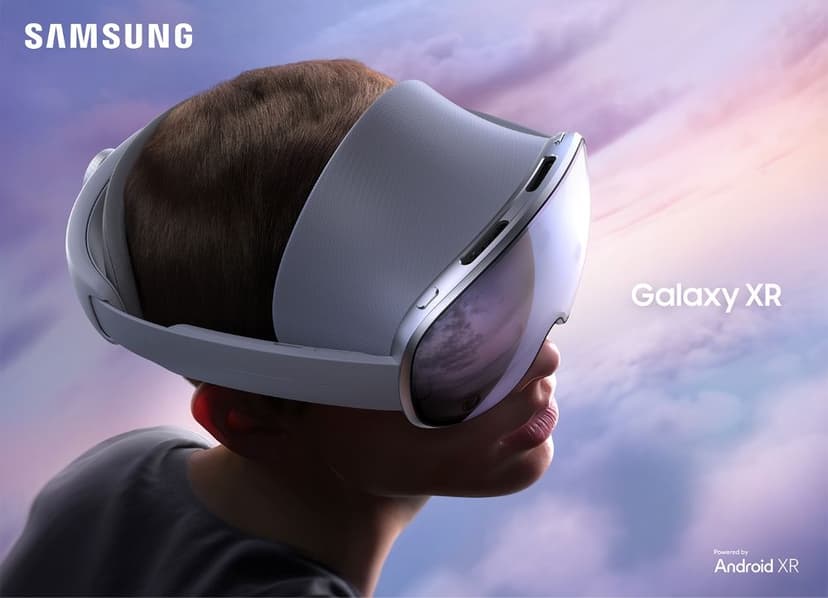
The numbers behind this pivot tell a brutal story. Industry estimates suggest Apple invested up to $33 billion in Vision Pro development, while sales remain well below 1 million units. Even generous calculations put the return at roughly 10% of investment - a catastrophic outcome by Apple standards. The $3,499 price point, bulky design, and limited app ecosystem created exactly the socially isolating experience that CEO Tim Cook warned against back in 2016.
"Most people wouldn't find it acceptable to be 'enclosed in something... because we are sociable people at heart,'" Cook told the World Economic Forum years before Vision Pro's troubled launch. His prediction proved prescient, but Apple built the wrong product anyway.
Meanwhile, Meta's Ray-Ban smart glasses gained serious traction this year by doing exactly what Cook described - looking and feeling like normal glasses with genuinely useful features. Users can take calls, capture photos, get AI assistance, and translate languages without the social stigma of wearing a bulky headset.
"I don't believe their strategy had smart glasses as the base of the pyramid like Meta does," explains Anshel Sag, principal analyst at Moor Insights & Strategy. "Apple wants to be enterprise, which is going to demand a higher resolution, higher quality device. That's not happening on smart glasses. Not anytime soon."
The competitive threat runs deeper than market share. Smart glasses represent a fundamental challenge to smartphone dependency - Apple's golden goose. When users can make calls, snap photos, get directions, and access AI directly through eyewear, the iPhone becomes less essential. "A phone that stays in your pocket is not where Apple wants to see the iPhone," Gartenberg notes.
Apple's 2027 timeline feels almost impossibly late for a market experiencing explosive growth now. The company that historically succeeded by perfecting existing categories rather than creating them faces an unfamiliar position - playing catch-up in a space where being fashionable matters as much as being functional.
The strategic shift doesn't entirely abandon Vision Pro technology. Reports suggest Apple may revisit premium headsets once it establishes smart glasses credibility. Sag draws parallels to gaming consoles expanding rather than replacing PC gaming - basic smart glasses could create demand for more sophisticated XR experiences over time.
But first, Apple must prove it understands what consumers actually want: devices that enhance daily life without screaming "tech product." The Vision Pro's failure stemmed partly from Apple's enterprise-first mindset in a consumer-driven category. Smart glasses demand the opposite approach - consumer appeal with enterprise capabilities following later.
Apple's smart glasses pivot represents more than a product strategy shift - it's an acknowledgment that even tech's most patient company can misread the market. The Vision Pro's $33 billion lesson taught Cupertino that consumers want augmentation, not isolation. Now Apple faces the challenge of catching up in a market where Meta has already established the playbook: make wearables that look normal and feel useful. The 2027 timeline might feel late, but Apple's track record suggests it can still win by perfecting what others pioneered - if it truly learns from the Vision Pro's expensive mistakes.