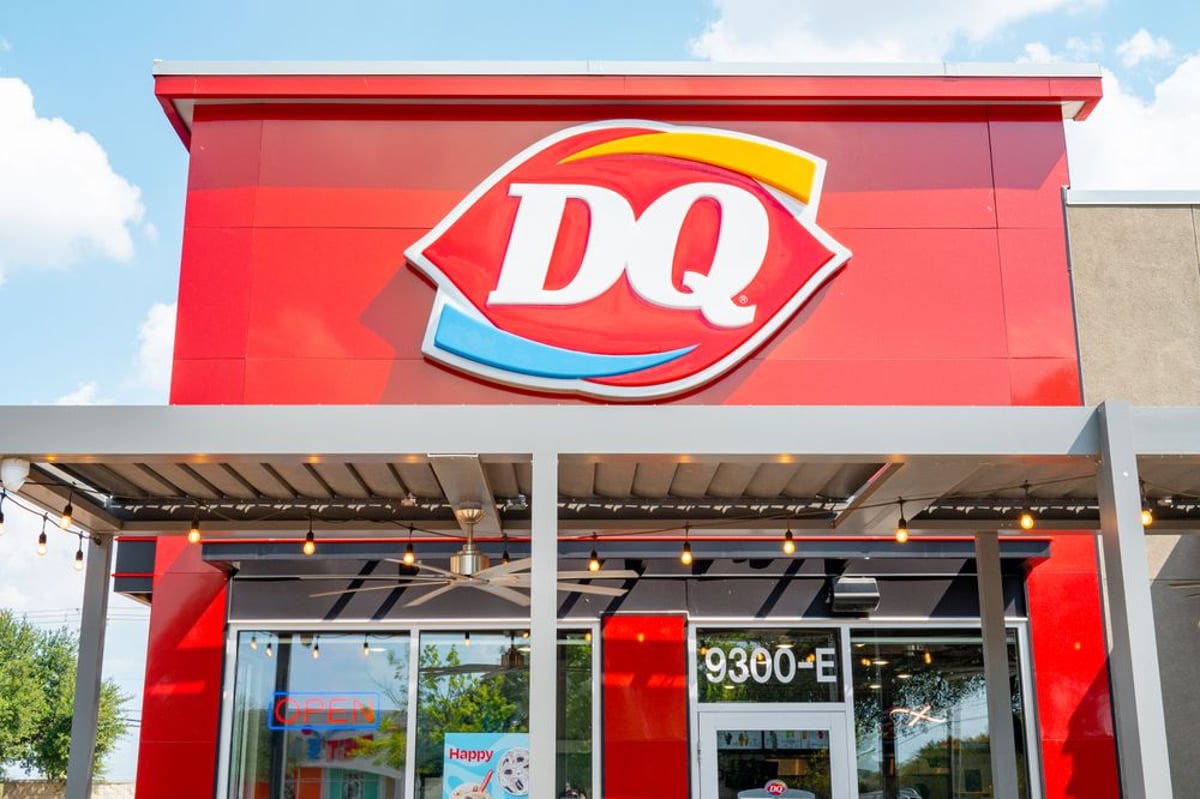
Dairy Queen is joining the AI drive-thru revolution. The fast food chain is rolling out voice AI chatbots to dozens of locations across the US and Canada, marking one of the largest deployments of automated ordering technology in the quick-service restaurant industry. Built by Presto, the same company powering AI systems at Carl's Jr., Hardee's, and Taco John's, the technology promises faster service and higher ticket sizes - but there's a catch that raises questions about what 'AI' really means in this context.
The next time you roll up to a Dairy Queen drive-thru for a Blizzard, there's a good chance you'll be talking to a robot. The iconic ice cream and burger chain is launching AI-powered voice ordering at dozens of locations across North America, betting that automation can solve the dual challenge of labor shortages and sluggish ticket sizes that have plagued the industry since the pandemic.
The rollout, announced this week in a Business Wire press release, follows a successful pilot program last year that tested the technology's ability to handle complex orders without human intervention. Dairy Queen joins a growing roster of chains turning to Presto, the AI voice company that's quietly become the backbone of automated ordering at restaurants like Carl's Jr., Hardee's, Taco John's, and Fazoli's.
But here's where things get interesting. While Dairy Queen and Presto are marketing this as pure AI, a 2023 Bloomberg investigation pulled back the curtain on how these systems actually work. Reporters found that Presto's so-called AI drive-thrus were being monitored and assisted by human workers based in countries like the Philippines, stepping in when the technology struggled with accents, background noise, or complicated customizations.
The revelation sparked a debate about transparency in AI deployment. When customers think they're talking to a fully automated system but are actually interacting with a hybrid human-AI setup, does that constitute deceptive marketing? Presto has maintained that human assistance is part of the training process and that the AI handles the majority of interactions independently. Still, the company hasn't disclosed what percentage of orders require human intervention.
For Dairy Queen, the math is straightforward. According to The Wall Street Journal, the AI system is designed to do more than just take orders accurately - it's programmed to upsell. The chatbot suggests add-ons, upgrades, and menu items based on what customers order, a tactic that's proven effective in early tests. Fast food executives have long known that humans are inconsistent at suggestive selling, either forgetting to mention promotions or feeling awkward about pushing extras. A chatbot has no such hangups.
The technology also addresses a real pain point for franchise owners struggling with high turnover and rising labor costs. Drive-thru workers are expensive to train and quick to leave, creating operational headaches for managers. An AI system that can handle peak hours without breaks, sick days, or scheduling conflicts sounds like a dream scenario. But critics argue this framing ignores the impact on low-wage workers who depend on these jobs, particularly in rural communities where fast food employment represents a significant portion of available work.
Presto's expansion into Dairy Queen is part of a broader push by the company to dominate the voice AI niche in quick-service restaurants. The company went public via SPAC in 2022 and has been aggressively signing partnerships ever since, positioning itself as the industry standard before competitors like IBM Watson or Google Cloud can make serious inroads. Industry analysts estimate the drive-thru automation market could hit $1.5 billion by 2028 as chains race to deploy the technology.
What's less clear is how customers will react to the change. Early adopters of drive-thru AI have reported mixed experiences, with some praising the speed and accuracy while others complain about robotic voices, awkward pauses, and systems that struggle with menu substitutions or dietary restrictions. Dairy Queen hasn't disclosed metrics from its pilot program, leaving open questions about customer satisfaction rates and whether the technology actually delivers on its promises.
The rollout also comes at a sensitive moment for AI regulation. Lawmakers in several states are considering disclosure requirements that would force companies to inform customers when they're interacting with automated systems rather than humans. If such laws pass, Dairy Queen and Presto might need to add disclaimers to their drive-thru speakers - potentially undermining the seamless experience they're trying to create.
For now, the deployment represents a bet that customers either won't notice or won't care that they're talking to a machine. Dairy Queen is banking on the technology to deliver faster service during rush periods and higher average checks through strategic upselling. Whether that gamble pays off will depend on execution - and whether the AI can actually handle the chaos of real-world drive-thru traffic without constant human backup.
Dairy Queen's AI drive-thru rollout marks another step in the fast food industry's automation push, but it also highlights the murky reality behind 'AI-powered' customer service. As more chains adopt this technology, the real test won't be whether it can take orders - it's whether it can do so transparently, effectively, and without eroding the workforce that's sustained these businesses for decades. The coming months will reveal whether customers embrace their robot order-takers or start demanding the human touch back.