The AI copyright wars just got real. When The Atlantic published a searchable dataset revealing which works were used to train AI models, author Kirk Wallace Johnson discovered his meticulously researched books had been pirated and fed to chatbots without permission. Now he's part of a growing wave of artists, writers, and creators filing lawsuits against tech giants like Google, Meta, and Anthropic - and some are starting to win. The legal battles mark a pivotal moment in the clash between AI innovation and intellectual property rights.
Kirk Wallace Johnson spent five to six years researching and writing books like The Feather Thief and The Fishermen and the Dragon. Then he found them in an AI training dataset. According to The Verge, Johnson felt a "cocktail" of emotions when he made the discovery - anger over the brazenness of the theft, worry about what this means for writers, and what he called "a healthy thirst for revenge on these massive corporations that have become galactically wealthy" using his work without permission.
He's not alone. When The Atlantic published its searchable dataset of works used to train AI models, thousands of artists and writers searched their names and found the same thing. Their copyrighted material - books, articles, artwork, photographs - had been scraped from the internet, often from pirated sources, and used to train large language models and image generators. No permission asked. No compensation offered.
Now the lawsuits are piling up. Google faces multiple class actions over its Gemini AI model. Meta is defending itself against claims related to LLaMA training data. Anthropic, the company behind Claude, is being sued by music publishers and authors. The legal theory is straightforward - these companies committed copyright infringement on a massive scale, and they should pay for it.
What makes these cases different from typical copyright disputes is the scale and the precedent. We're not talking about one pirated book or a single stolen image. The training datasets contain millions of copyrighted works. If courts rule that using copyrighted material to train AI constitutes infringement, the financial liability could run into the billions. More importantly, it would force AI companies to fundamentally rethink how they build their models.
AI companies have deployed a consistent defense - fair use. They argue that using copyrighted works to train AI models is transformative use, similar to how search engines index copyrighted content to provide search results. The training process extracts patterns and relationships from the data, they say, rather than copying the works themselves. When you ask ChatGPT a question, it doesn't retrieve and display Kirk Wallace Johnson's book - it generates new text based on patterns learned from millions of sources.
But judges aren't buying it wholesale. Several copyright cases have survived early dismissal motions, suggesting courts see potential merit in the claims. In one notable ruling, a federal judge allowed a lawsuit by visual artists against AI image generators to proceed, rejecting the fair use defense at the preliminary stage. The judge noted that the companies copied the works in their entirety during training and that the output could serve as a market substitute for original artwork.
The discovery process in these lawsuits is revealing just how much AI companies knew about the copyright issues. Internal documents show engineers and executives discussing the legal risks of using pirated material in training datasets. Some companies implemented filters to exclude certain copyrighted works, an acknowledgment that they understood the distinction between permissible and impermissible uses. That evidence could undermine claims that companies acted in good faith reliance on fair use.
For creators, the stakes extend beyond past infringement. They're worried about their future livelihoods. If AI models can generate text, images, music, and code that compete with human creators, and those models were trained on stolen work, the entire creative economy could collapse. Why hire a photographer if an AI can generate similar images? Why pay for stock illustrations if Midjourney can create them instantly? The training data issue isn't just about compensating artists for past use - it's about whether human creativity remains economically viable.
Some AI companies are changing course. Anthropic has started licensing content from publishers. OpenAI signed deals with news organizations to access their archives legally. But these partnerships came only after the lawsuits started piling up, and critics say they don't address the fundamental problem - millions of creators whose work was used without consent and who lack the bargaining power to negotiate licensing deals.
The legal battles will take years to resolve, but the momentum has shifted. Early dismissals that AI companies hoped for aren't materializing. Discovery is producing damaging evidence. And public opinion, particularly among creators, has turned sharply against the tech giants. What looked like a slam-dunk fair use defense when these cases started now appears far more uncertain.
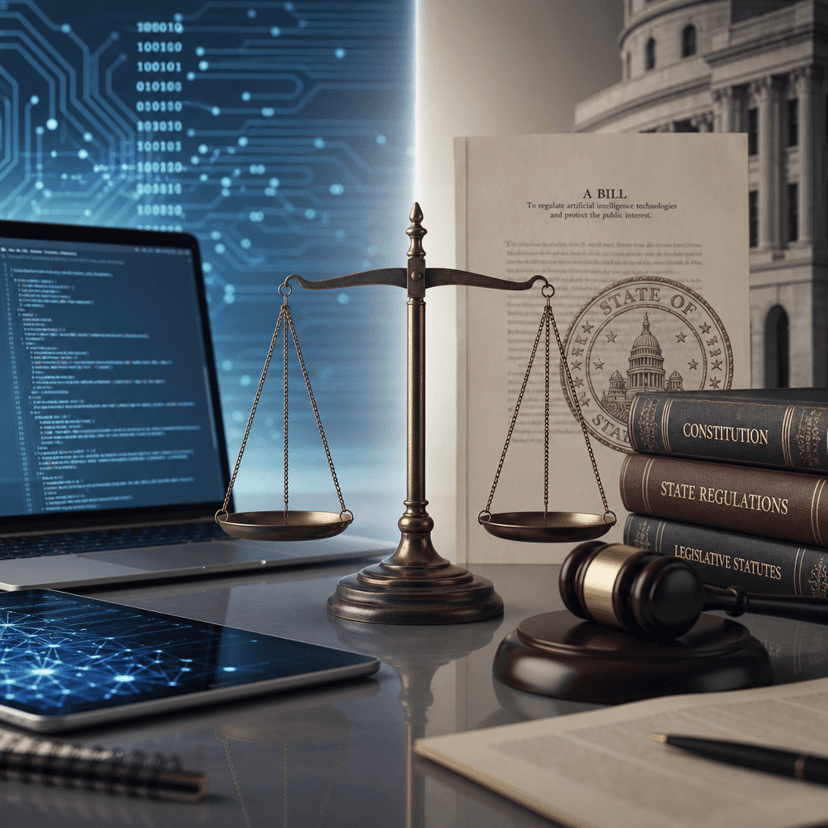
Meanwhile, Congress is watching. Several bills have been introduced to address AI training data and copyright, though none have advanced far. The Copyright Office is conducting a study on the issue. International regulators in the EU and UK are developing their own frameworks. The legal landscape for AI training data is about to change dramatically, one way or another.
The artist lawsuits against AI companies represent more than legal battles over copyright infringement - they're a referendum on who controls and profits from the AI revolution. Early court decisions suggest judges aren't ready to give tech giants a free pass on using millions of copyrighted works without permission. For creators who've spent years perfecting their craft, only to see it fed into AI models without compensation, these cases offer a chance at justice. For AI companies that built their empires on other people's work, the bill is coming due. Watch for settlements, licensing frameworks, and potential landmark rulings that could reshape how the next generation of AI gets trained.