Epic Games just unveiled its most aggressive push yet to transform Fortnite into a creator platform powerhouse. Starting in December, Fortnite creators will be able to sell custom in-game items directly from their islands, with Epic offering 100% of V-Bucks revenue through 2026 - a move that could reshape how gaming platforms compete for creator talent and revenue.
Epic Games is placing a massive bet on the future of gaming platforms, and it's putting Fortnite creators at the center of that gamble. The company just announced that starting this December, Fortnite creators will be able to sell custom in-game items directly from the islands they've built - and Epic's sweetening the deal with 100% revenue sharing through 2026.
The move represents Epic's boldest attempt yet to challenge Roblox's dominance in the creator-driven gaming space. While creators currently earn money based on engagement metrics, this new system lets them monetize directly through item sales using what Epic calls "a Verse-based API and new UEFN tools."
But here's where it gets interesting - and complicated. Epic's revenue-sharing calculation involves what they call "V-Bucks value," which isn't exactly straightforward. According to Epic's official explanation, they take all real-money V-Bucks purchases, subtract platform fees (ranging from 12% on Epic Games Store to 30% on consoles), then divide by total V-Bucks spent. With average platform fees at 26%, that 100% V-Bucks value actually translates to roughly 74% of what players actually spend.
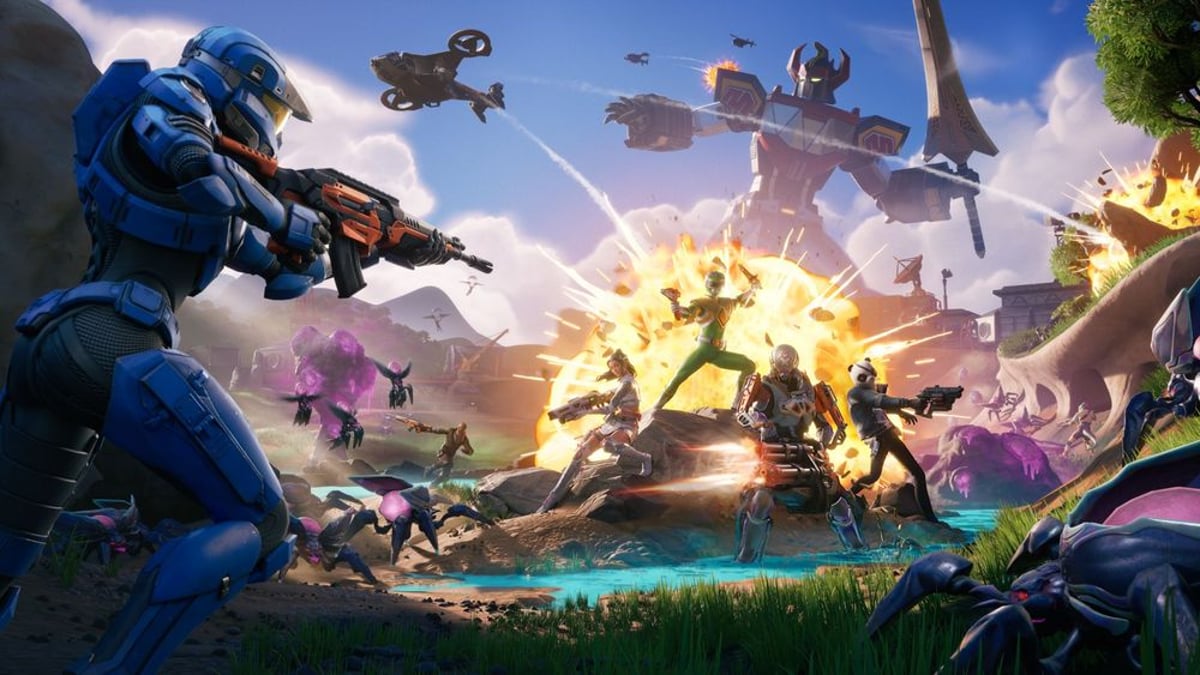
The timing isn't coincidental. Epic has been rapidly transforming Fortnite from a single battle royale game into something much bigger - a full gaming platform that directly competes with Roblox's user-generated model. The pivot really accelerated at the end of 2023 with Epic-made games like Lego Fortnite and Fortnite Festival, followed by creator tools for first-person shooters and AI characters.
The numbers tell the story of Epic's creator economy ambitions. The company paid out $352 million to creators in 2024 alone, with user-made games now accounting for more than 36% of time spent in Fortnite. Today's announcement bumped that total payout figure to $722 million since the program began.
Epic isn't trying to hide the business reality behind this generosity. The company admits it's "operating the business at a loss" and will take cuts from both creator item sales and the new sponsored discovery row launching in November. "This model will enable Epic to cover the costs of servicing the Fortnite ecosystem," the company explained, citing server hosting, safety, moderation, and R&D expenses.
That sponsored row represents another piece of Epic's platform strategy - letting creators pay for increased visibility of their islands in Fortnite's discover feed. Combined with new community tools for direct creator-player communication, Epic is building the infrastructure that successful user-generated content platforms need.
The 100% revenue share through 2026 is clearly designed to attract creators from other platforms, particularly Roblox, where developers typically earn much less per dollar spent. But the real test will come when that promotional period ends and creators have to decide whether 37% of retail spending (Epic's long-term offer) beats what they can earn elsewhere.
For the broader gaming industry, Epic's move signals that the platform wars are intensifying. Companies like Roblox, Unity, and even traditional console makers are watching to see whether Epic can successfully execute this pivot from game company to creator platform operator.
Epic's creator monetization rollout represents more than just a new revenue stream for Fortnite builders - it's a direct challenge to the entire user-generated gaming ecosystem. By offering 100% revenue sharing through 2026, Epic is making a bold play for creator talent that could reshape platform competition. The real question isn't whether creators will sign up, but whether Epic can build a sustainable business model once the promotional period ends and the platform fees kick in.