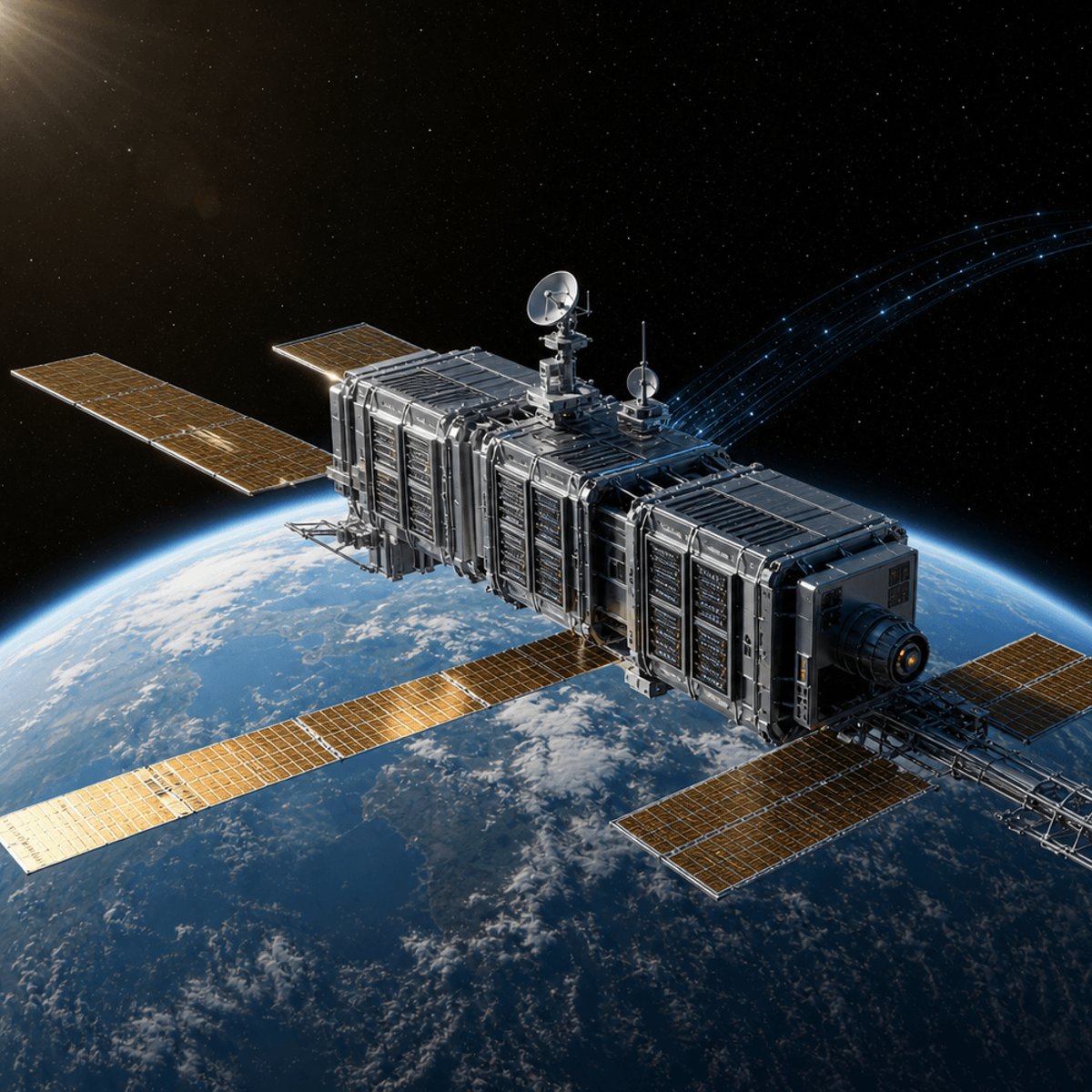
The founder who put 250,000 e-scooters on city streets is betting his next act will orbit Earth. Euwyn Poon, who built mobility startup Spin before selling to Ford, just raised $5 million in seed funding for Orbital, a startup planning to launch 10,000 data centers into space. The pitch: solve AI's growing energy crisis by moving compute off-planet, where solar power is unlimited and cooling is free.
Orbital just became the latest startup to pitch space as the solution to Earth's infrastructure problems. Founder Euwyn Poon secured $5 million in seed funding to pursue what might be the most ambitious pivot in recent startup history - taking the operational lessons from scaling a quarter-million e-scooters and applying them to orbital data centers.
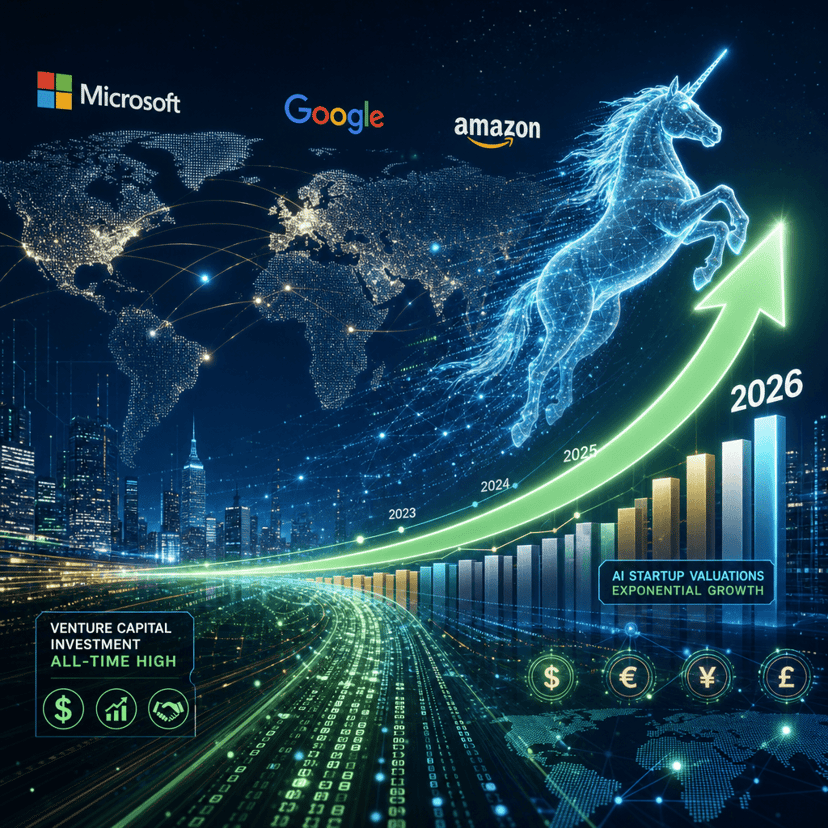
The timing isn't random. AI model training is pushing terrestrial data centers to their breaking point. Microsoft, Google, and Amazon are all racing to build new facilities, but they're running into hard walls around power availability and cooling capacity. Cities like Seattle just imposed moratoriums on new data center construction over grid concerns.
Poon's bet is that space solves both problems elegantly. Solar panels work 24/7 in orbit without weather interruptions. Heat dissipates naturally in the vacuum of space. And there's no need to negotiate with local utilities or navigate zoning boards.
"We built a distributed network of 250,000 scooters across dozens of cities," Poon told TechCrunch. "The operational complexity of managing hardware at scale in challenging environments - that's exactly what this requires."
The Spin experience matters more than it might seem. That company had to solve remote monitoring, predictive maintenance, and distributed logistics at massive scale. Orbital will need all three, except the repair technicians can't just drive over when something breaks.
Getting to 10,000 orbital data centers means solving launch economics first. SpaceX's Starship promises sub-$10 million flights with 100-ton payloads, but those are still projections. Even at that price point, Orbital needs each satellite to justify its launch cost through years of operation.
The startup isn't disclosing technical specs yet, but the physics are straightforward. Data has to go up via radio link, get processed in orbit, and come back down. Latency makes this impractical for real-time applications, but it could work for batch processing jobs like training large language models or rendering video.
Amazon Web Services already operates ground stations for satellite data. Microsoft partnered with SpaceX on Azure Space. The big cloud providers clearly see orbital infrastructure as part of their future. The question is whether a startup can move fast enough to carve out a niche before they build their own.
Poon isn't naming his investors yet, but $5 million barely covers initial engineering and prototype development. Space hardware startups typically need $50-100 million to reach orbit. That means this seed round is really about proving the concept enough to raise a much larger Series A.
The broader trend is undeniable though. Launch costs dropped 10x over the past decade. AI compute demand is growing exponentially. Traditional data centers face mounting regulatory and infrastructure constraints. Someone's going to build data centers in space - the only question is who gets there first.
Orbital's approach differs from competitors like Axiom Space, which focuses on crewed orbital stations, or satellite operators running basic edge compute. Poon's vision is purpose-built facilities optimized specifically for AI workloads, treating orbit as just another availability zone.
The seed funding will go toward initial satellite design and securing launch slots. Poon's timeline calls for a demonstration mission within 18 months, followed by a small constellation if that succeeds. The full 10,000-satellite network is a decade-plus vision, assuming everything goes right.
Poon's pivot from scooters to satellites sounds wild until you consider the operational DNA both businesses share - managing thousands of distributed nodes remotely, predicting failures before they happen, and optimizing for unit economics at scale. If launch costs keep falling and AI compute keeps climbing, the economics might actually work. But $5 million only buys a ticket to the starting line. The real test comes when Orbital needs to raise serious capital to actually build and launch hardware. For now, it's one more signal that the next phase of cloud infrastructure might not be on the ground at all.