A new generation of founders is skipping the traditional playbook entirely. Armed with AI tools and zero corporate experience, entrepreneurs under 20 are launching startups that previously would've required years at Google or Facebook. The shift represents a fundamental change in who gets to build companies and how fast they can move from idea to execution. But building in public also means failing in public, and these young founders are navigating that pressure in real-time.
The barrier to entry for starting a company just hit a new low. A 19-year-old with a laptop and access to AI coding assistants can now ship products that would've taken a full engineering team months to build just three years ago. According to TechCrunch, AI tools have fundamentally democratized the opportunity to build, shortening success timelines and enabling young people to start companies without ever setting foot inside Google or Meta.
The shift is creating a new archetype in Silicon Valley - the teenage founder who learns by doing, not by climbing corporate ladders. Where previous generations needed computer science degrees and stints at Microsoft or Amazon to gain credibility, today's under-20 founders are using OpenAI's ChatGPT and Claude to write code, debug applications, and even generate marketing copy. The technical moat that once protected established players is eroding fast.
But this democratization comes with a catch. When you build in public, you also fail in public. Young founders are sharing their journey on X (formerly Twitter) and LinkedIn in real-time - the good launches, the bad pivots, and the ugly server crashes. It's a level of transparency that didn't exist for previous generations of entrepreneurs who could quietly iterate behind closed doors before their big reveal.
The cultural shift toward radical transparency is both liberating and brutal. A 17-year-old founder who tweets about missing revenue targets faces the same public scrutiny as a veteran CEO, except they're doing it while finishing calculus homework. The pressure to perform, to grow fast, and to document everything for an audience creates a unique psychological burden that older founders didn't face at the same career stage.
Venture capital firms are taking notice. Traditional age requirements and experience expectations are being reconsidered as investors watch teenagers ship functional products in weeks. Some early-stage funds have started actively recruiting at high schools and coding bootcamps, looking for founders who grew up with AI tools and understand how to leverage them instinctively.
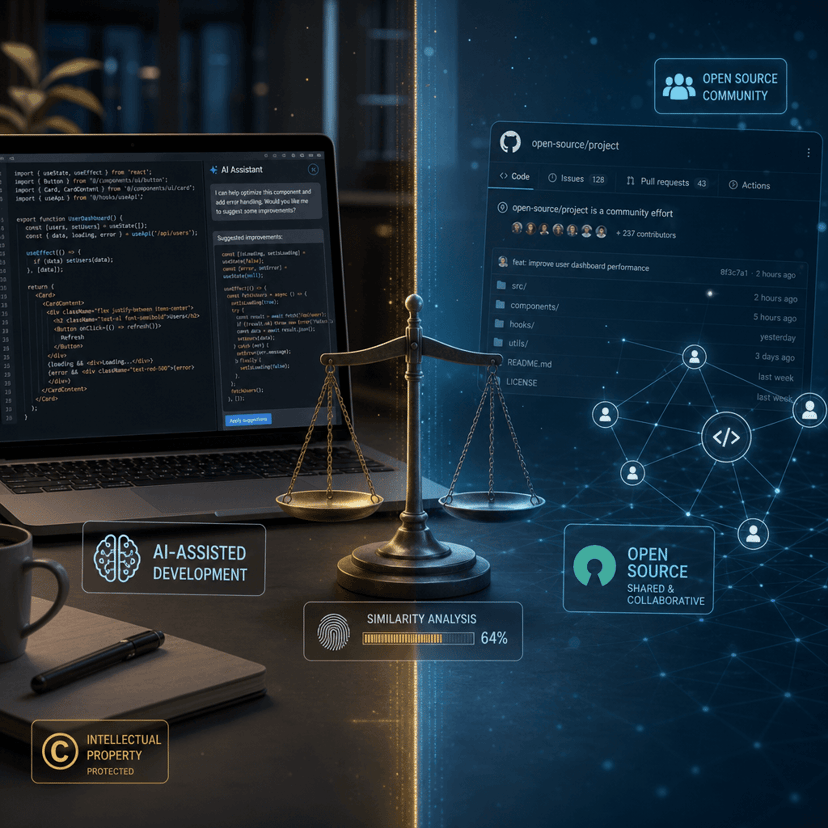
The technical capabilities are real. AI coding assistants can help a novice programmer build a working MVP in days, not months. GitHub Copilot, Cursor, and similar tools act as pair programmers that never sleep. Young founders who've never written production code are launching SaaS products, mobile apps, and even AI startups of their own. The learning curve hasn't disappeared, but it's been compressed dramatically.
Yet the soft skills still matter. Knowing how to code with AI assistance doesn't teach you how to manage a team, negotiate with investors, or pivot when your first idea flops. Many under-20 founders are learning these lessons publicly, sometimes painfully. The build-in-public movement means their mistakes become case studies before they've even figured out what went wrong.
The generational divide is stark. Founders in their 30s and 40s often spent years honing their craft at established companies before taking the leap. Today's teenage founders are treating their first startup as their training ground, learning by shipping rather than by observing. It's a fundamentally different approach to entrepreneurship, enabled by tools that simply didn't exist five years ago.
What's emerging is a new ecosystem where age matters less than execution speed. A high schooler with a viral product and growing user metrics gets taken seriously, regardless of their lack of industry experience. The traditional credibility markers - prestigious university degrees, Big Tech logos on a resume - are becoming optional rather than required.
But the question remains whether this acceleration is sustainable. Burning out at 19 hits differently than burning out at 35. The long-term effects of building companies under intense public scrutiny while your brain is still developing are unknown. Some young founders are already stepping back, realizing that the pressure to constantly ship and share isn't compatible with finishing school or maintaining mental health.
The democratization of startup building is undeniably positive for innovation. More diverse voices, more experimentation, more competition. But it's also creating a generation of founders who never got to fail privately, who never had the luxury of learning their craft away from public judgment. The build-in-public movement has given them incredible opportunities, but it's also exposed them to criticism and pressure at an age when previous generations were still figuring out what they wanted to do.
Investors and accelerators are starting to build support systems specifically for young founders - mentorship programs, mental health resources, and structured guidance that replaces the institutional knowledge they would've gained at an established company. The recognition is growing that democratizing access to tools isn't enough; these founders also need frameworks to navigate the unique challenges of building companies as teenagers.
AI tools have genuinely democratized who gets to build companies, and that's reshaping the entire founder landscape. Under-20 entrepreneurs are proving you don't need a decade of experience to ship products people want. But the build-in-public culture that enables their rapid rise also subjects them to scrutiny that previous generations avoided. As this trend accelerates, the startup ecosystem will need to evolve support systems that match the speed of the tools these young founders are using. The democratization is real, but so are the growing pains of learning entrepreneurship in public view.