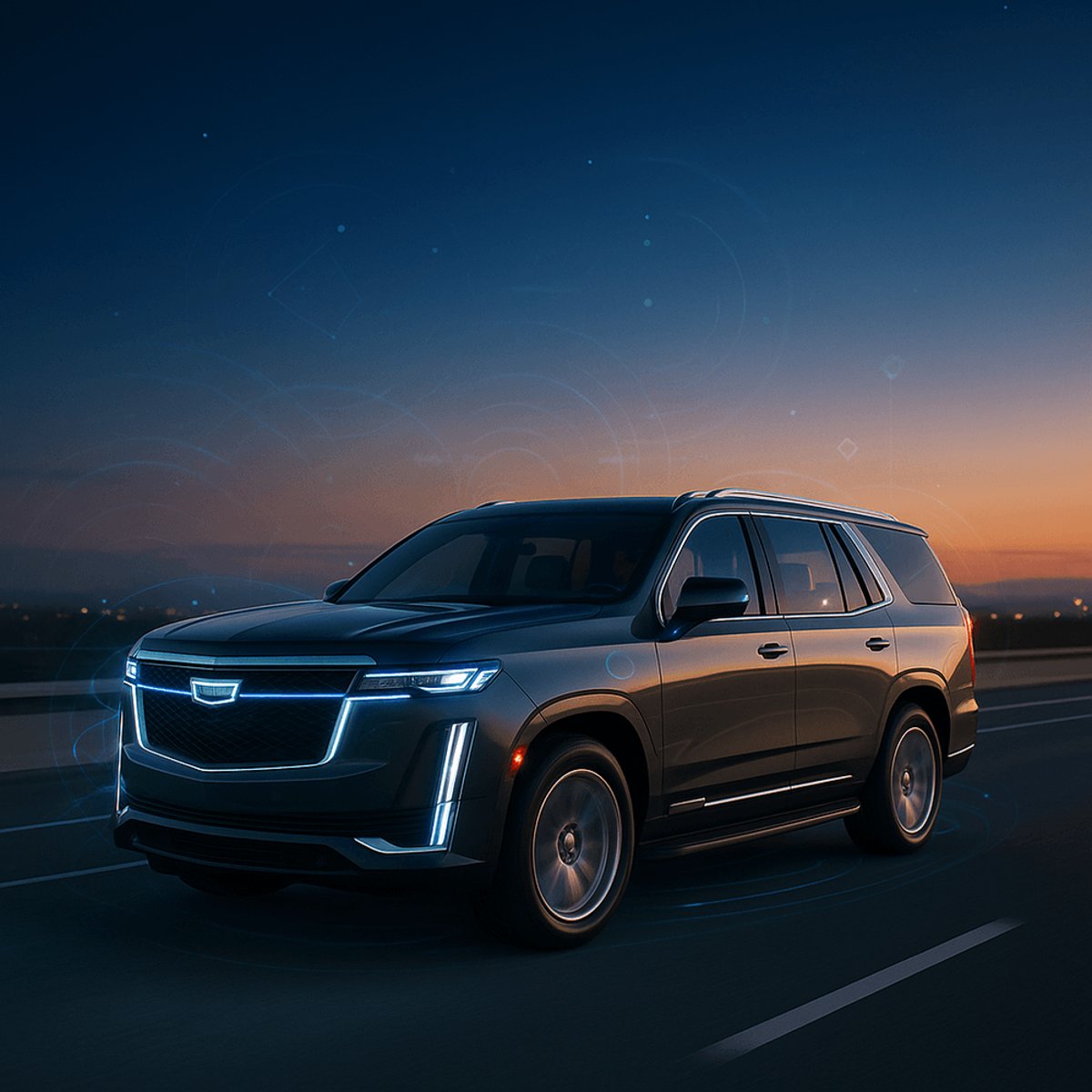
General Motors just dropped a major autonomous driving bombshell - the automaker plans to launch an eyes-off, hands-off driving system by 2028, starting with the Cadillac Escalade IQ. The announcement puts GM in direct competition with Mercedes for Level 3 automation supremacy, while leveraging technology from its shuttered Cruise robotaxi division to create what could be the most capable consumer autonomous system yet.
General Motors just made the biggest autonomous driving announcement of 2025. The Detroit automaker plans to launch an eyes-off, hands-off driving system by 2028, starting with the Cadillac Escalade IQ - a move that could reshape the entire autonomous vehicle landscape.
The announcement came Wednesday at GM's Forward event in New York City, confirming what TechCrunch first reported a year ago. But the real story isn't just the timeline - it's how GM plans to get there by cannibalizing technology from its failed Cruise robotaxi venture.
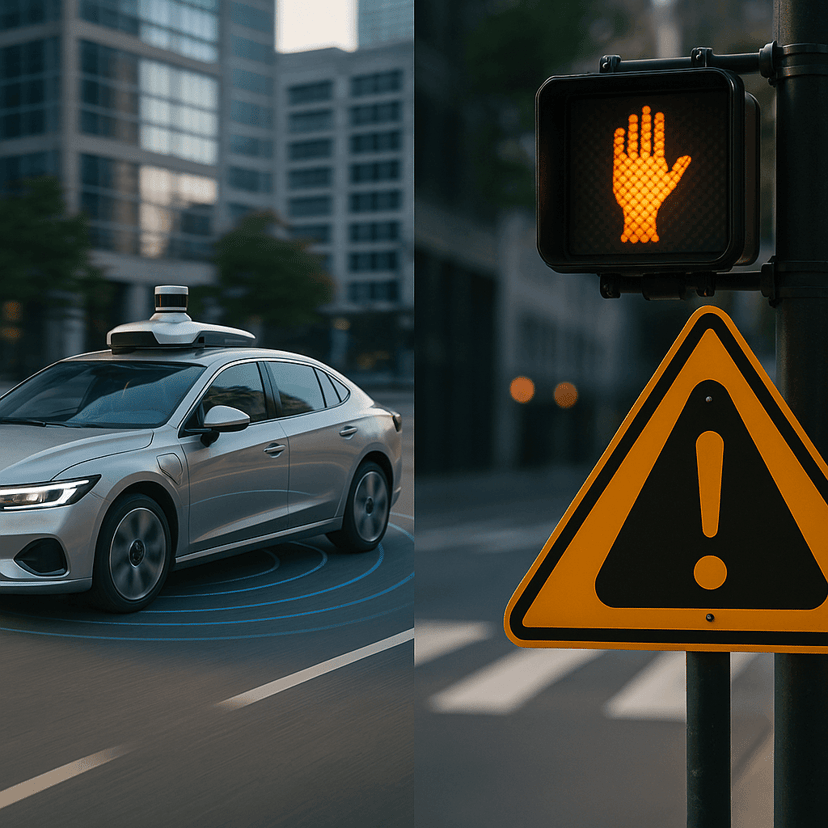
When GM shut down Cruise in December 2024, many saw it as a retreat from autonomous driving. Instead, it was strategic repositioning. GM absorbed Cruise's entire technology stack, including AI models trained on five million driverless miles and sophisticated simulation frameworks that run virtual test scenarios around the clock.
"GM said it is also feeding Cruise's technology stack, which includes AI models trained on five million driverless miles and a simulation framework running virtual test scenarios, into its next-generation driver-assistance and autonomy programs," according to the TechCrunch report.
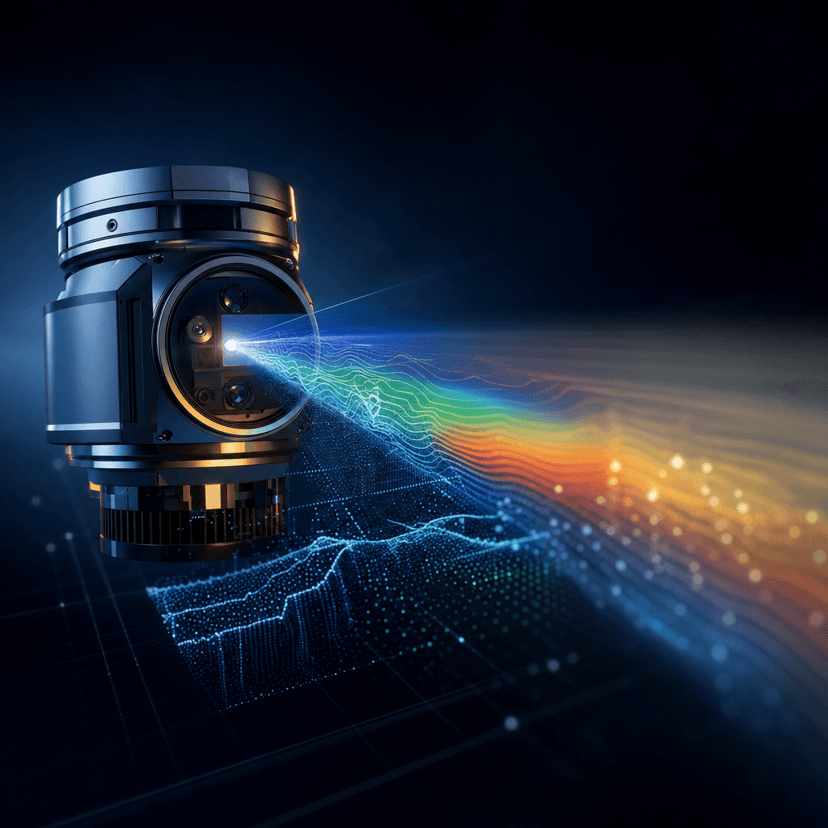
The move builds on GM's existing Super Cruise system, which launched in 2017 and now operates across 23 vehicle models on roughly 600,000 miles of mapped highways. But this new system represents a quantum leap - it will use lidar, radar, and cameras for perception while operating on unmapped highways.
"Robotaxi as a proof of concept when you start makes a lot of sense," Sterling Anderson, GM's executive vice president of global product and former Aurora Innovation co-founder, explained during the event. The high cost of sensors and compute on autonomous vehicles required maximum utilization - something only robotaxis could provide initially.
But 2025 changed everything. "We're now in a position where the industry broadly has brought down the cost tremendously of some of the hardware," Anderson noted. "And GM, uniquely, has the install base, the manufacturing capacity to put these out at much larger volumes and much lower costs."
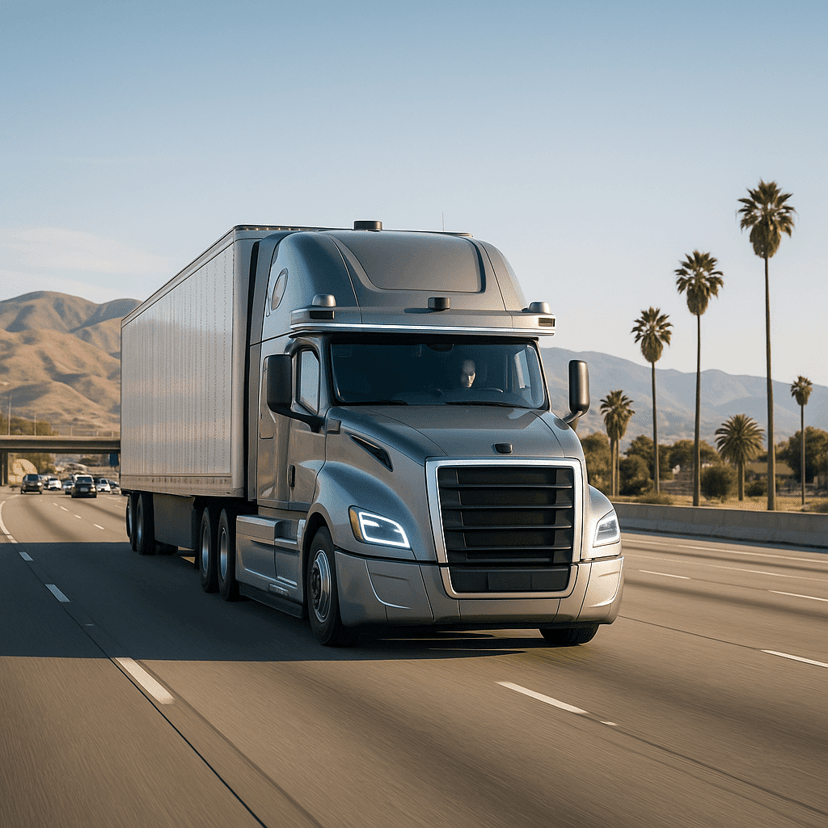
The timing couldn't be more strategic. Mercedes currently holds the only commercially available Level 3 system in the US with its Drive Pilot, but it's severely limited - only working on mapped highways in California and Nevada during heavy, low-speed traffic. GM's system promises to be far more capable.
According to Baris Cetinok, GM's senior vice president of software and services, the new system will work on highways GM hasn't even mapped yet. More importantly, it'll only require human takeover for specific scenarios like off-ramps, while handling emergencies and sudden incidents autonomously.
"Human intervention should not be the escape hatch for sudden incidents," Cetinok emphasized - a direct shot at current systems that punt to humans whenever things get complicated.
The competitive landscape is heating up fast. Stellantis unveiled its own Level 3 system earlier this year but put the launch on hold. Meanwhile, Tesla continues pursuing "full self-driving" through cameras and neural networks alone, though Autopilot and FSD still require driver attention.
GM CEO Mary Barra made another crucial point during the announcement - the company plans to roll out this eyes-off system faster than it deployed Super Cruise. That's significant, considering Super Cruise took years to reach its current 600,000-mile highway coverage.
The Cruise integration story reveals just how valuable that failed robotaxi experiment really was. Over the past year, GM has been quietly rehiring Cruise engineers as it pivots toward fully autonomous personal vehicles. Those five million driverless miles weren't wasted - they were training data for the next generation of consumer autonomous systems.
This announcement positions GM ahead of virtually every other traditional automaker in the Level 3 race. While others fumble with pilot programs and limited deployments, GM is preparing to deliver true eyes-off driving capability at consumer scale by 2028.
GM's 2028 eyes-off driving system represents more than just another autonomous vehicle milestone - it's validation that the Cruise robotaxi "failure" was actually an expensive but invaluable training program. By combining five million miles of real-world autonomous driving data with consumer-scale manufacturing capabilities, GM is positioning itself to leapfrog the competition in Level 3 automation. The question isn't whether GM can deliver on this promise, but whether Mercedes, Tesla, and others can catch up before losing the autonomous driving race entirely.