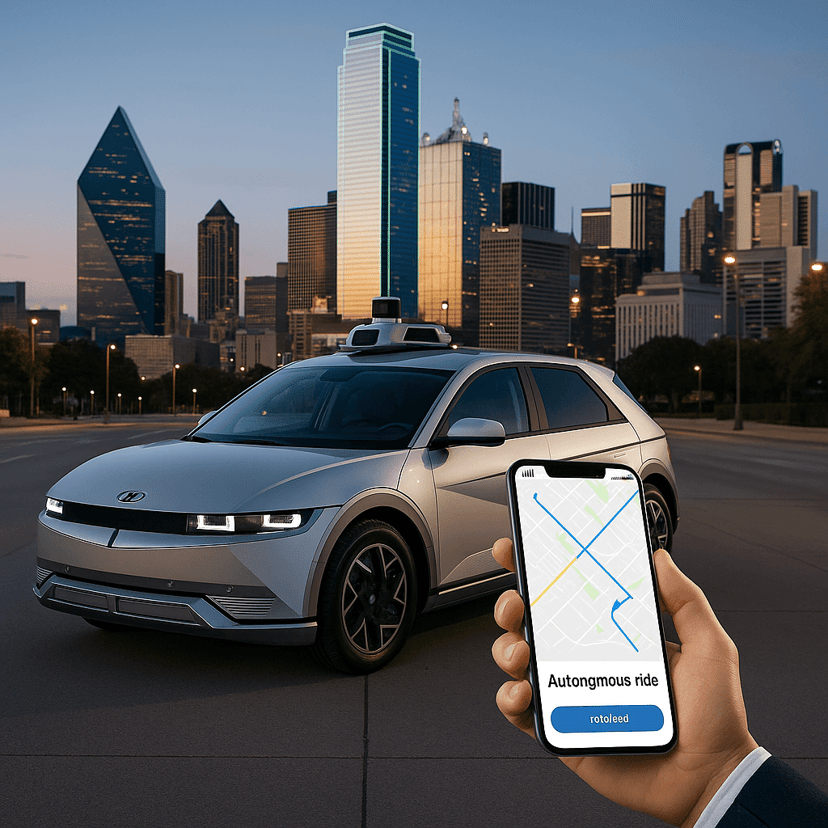
Waymo just made its biggest geographic expansion yet, launching autonomous vehicle testing in Philadelphia while beginning data collection in Baltimore, Pittsburgh, and St. Louis. The Google-owned robotaxi company now operates in over 20 cities as it races toward its goal of one million weekly rides by 2026, though recent safety incidents continue shadowing the rollout.
Waymo is making its most aggressive expansion move yet, dropping autonomous vehicles into four major American cities as the robotaxi race hits overdrive. The Alphabet-owned company announced Wednesday it's begun testing self-driving vehicles with safety monitors in Philadelphia, while crews have started manual driving operations to collect mapping data in Baltimore, Pittsburgh, and St. Louis.
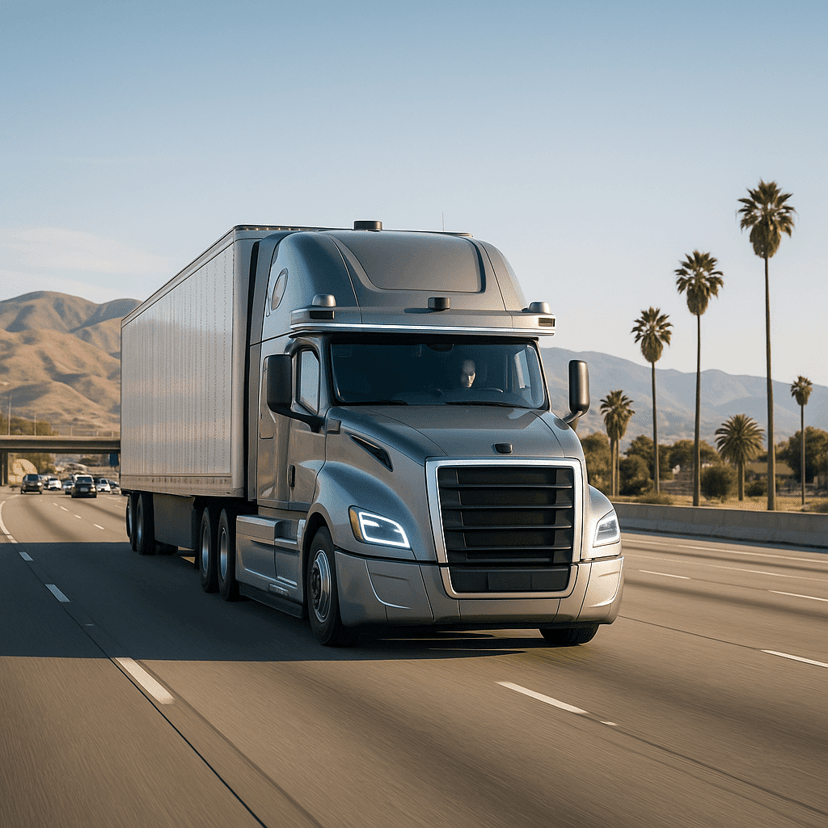
The timing couldn't be more strategic. While competitors like Tesla promise eventual robotaxi networks and startups scramble for funding, Waymo is methodically building real infrastructure. The company now operates in over 20 cities, with full commercial service running in Phoenix, San Francisco, and Los Angeles - including freeway driving that most autonomous vehicle companies haven't mastered.
"We're not just testing anymore, we're scaling," signals this latest expansion. Waymo has set an ambitious target of one million rides per week by the end of 2026, a benchmark that would cement its position as the dominant robotaxi operator in America. The company's partnership strategy with Uber in cities like Atlanta and Austin shows how it's leveraging existing ride-hailing infrastructure rather than building from scratch.
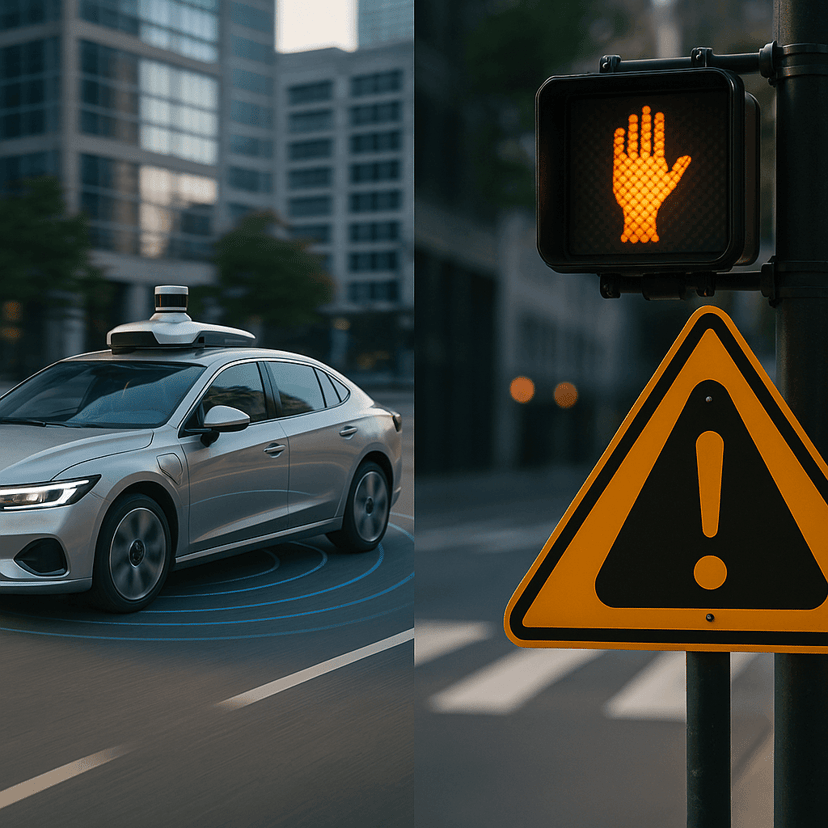
But this rapid expansion comes with growing pains that regulators are watching closely. The National Highway Traffic Safety Administration is investigating how Waymo vehicles operate near school buses after a vehicle was filmed driving around a stopped bus in Atlanta in September. More troubling, Austin news outlet KXAN published a report this week showing Waymo vehicles have illegally passed school buses loading or unloading children multiple times - even after the company claimed to have fixed the issue with software updates.
The safety incidents create an uncomfortable contrast with Waymo's recent claims of being five times safer than human drivers based on company data. While those statistics sound impressive, the real-world footage of vehicles endangering children tells a different story about the challenges of scaling autonomous systems across diverse urban environments.
For the four new cities, Waymo hasn't provided timelines for commercial launches or revealed whether it'll partner with other companies for operations. That strategic ambiguity suggests the company is still evaluating how each market fits into its broader network expansion plans. Philadelphia represents a particularly interesting test case - a dense East Coast city with aggressive drivers and complex traffic patterns that could prove whether Waymo's technology scales beyond its current Sun Belt and West Coast strongholds.
The expansion also highlights how the autonomous vehicle industry has quietly shifted from research to real business operations. While Tesla continues promising "next year" for its robotaxi network and GM shuttered its Cruise division after safety issues, Waymo is methodically building market presence city by city. The company's approach of thorough testing followed by gradual commercial rollouts may be slower than competitor promises, but it's producing actual revenue and rides.
Industry analysts see this expansion as Waymo positioning itself for the inevitable consolidation phase in autonomous vehicles. By establishing operations in major metro areas before competitors can gain footholds, the company creates network effects that make it harder for rivals to compete. Each new city also generates more training data for Waymo's AI systems, theoretically improving performance across the entire network.
Waymo's four-city expansion signals the autonomous vehicle industry is moving from testing to serious commercial deployment, but recent safety incidents show the technology still faces real-world challenges. As the company pushes toward one million weekly rides by 2026, its ability to maintain safety standards while scaling rapidly will determine whether robotaxis finally move from Silicon Valley promises to mainstream transportation reality.