Uber Eats is rolling out sidewalk delivery robots across the UK in a major partnership with Starship Technologies, marking the ride-hailing giant's most aggressive push into autonomous food delivery yet. The collaboration launches this December in Leeds and Sheffield before expanding across Europe and hitting the US by 2027.
Uber just made its biggest bet yet on robot food delivery. The ride-hailing giant's food delivery arm is partnering with Starship Technologies to deploy autonomous sidewalk robots across the UK, starting with select merchants in Leeds and Sheffield this December.
The timing couldn't be more strategic. As labor costs soar and delivery demand remains sky-high post-pandemic, Uber Eats is doubling down on automation to protect its margins. The company told TechCrunch that the service will expand to "additional European markets in 2026" before crossing the Atlantic to launch in the US by 2027.
This isn't Uber's first robot rodeo. The company has been quietly building an autonomous delivery empire, with partnerships already running in the US through Serve Robotics and Avride. But the Starship deal represents something bigger - a full-scale European invasion that could reshape how millions get their takeout.
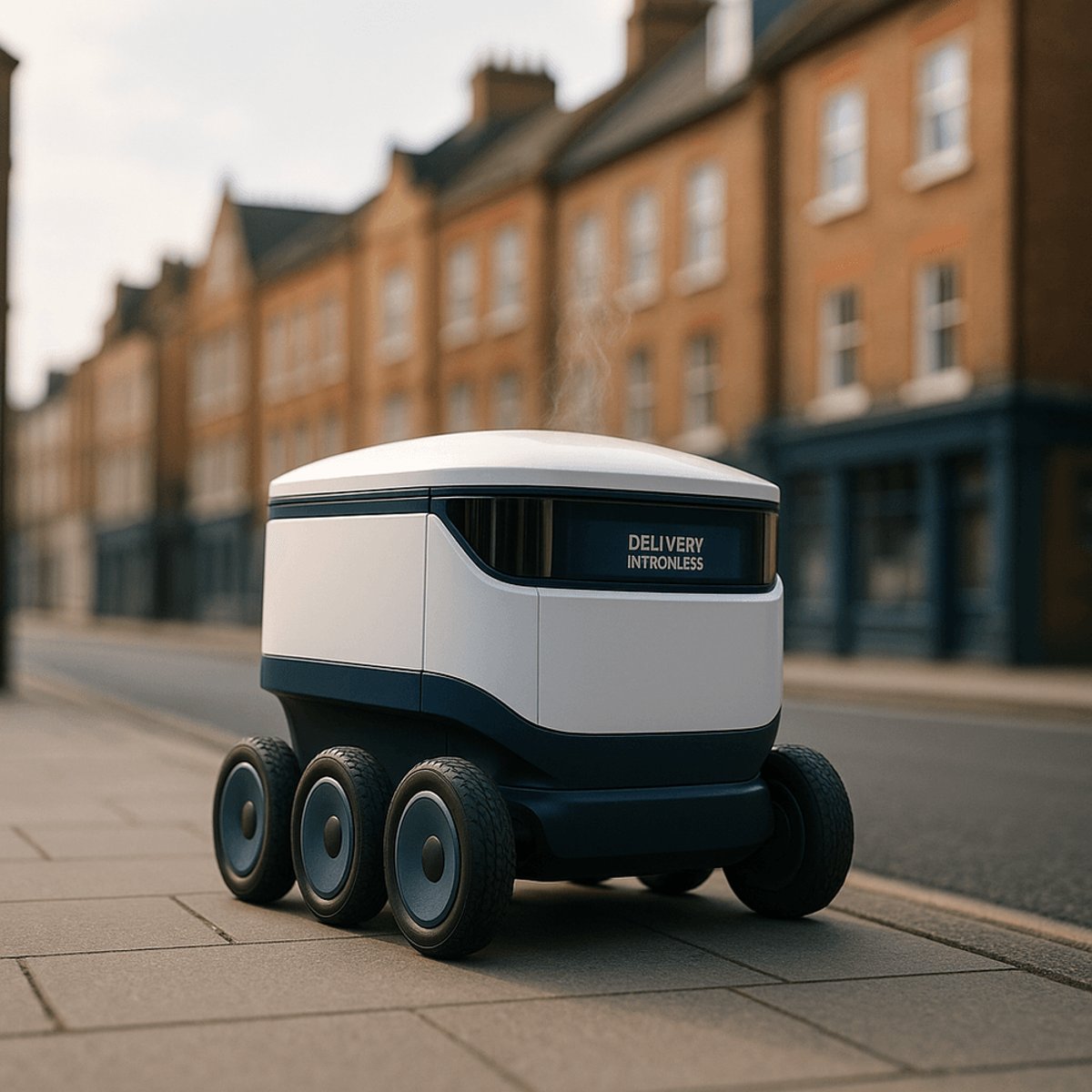
Starship Technologies brings serious firepower to the partnership. The Estonian company claims nearly 3,000 six-wheeled robots currently operating across more than 270 locations worldwide. These aren't just prototypes rolling around college campuses anymore. The robots routinely complete deliveries in under 30 minutes within a two-mile radius, handling everything from pizza to groceries with minimal human intervention.
The UK launch makes perfect sense as a testing ground. British cities offer dense urban environments with well-maintained sidewalks - ideal conditions for autonomous robots. Plus, the regulatory environment remains more welcoming than many US markets, where local governments still grapple with safety concerns and liability questions.
For Uber, this represents a fundamental shift in how the company thinks about delivery logistics. Rather than relying entirely on gig workers, the company is hedging its bets with a mixed fleet of human drivers and autonomous robots. The robots handle short-distance, low-complexity orders, while human drivers tackle longer routes and more challenging deliveries.
The competitive implications are massive. DoorDash and Just Eat Takeaway are watching nervously as Uber potentially gains a significant cost advantage. Robot deliveries eliminate driver payments, reduce insurance costs, and operate 24/7 without breaks or sick days.
But challenges remain. Sidewalk robots still struggle with stairs, apartment buildings, and bad weather. They're also prime targets for theft and vandalism. Starship has addressed some concerns with GPS tracking, cameras, and remote monitoring, but scaling to millions of daily deliveries will test these systems like never before.
The three-year rollout timeline suggests Uber is taking a measured approach. Starting in friendly UK markets lets them work out operational kinks before tackling the more complex US regulatory landscape. By 2027, if all goes according to plan, robot deliveries could be as common in American suburbs as they are on European university campuses today.
The Uber-Starship partnership signals a pivotal moment in food delivery's automation race. While human drivers won't disappear overnight, this three-year rollout plan positions Uber to fundamentally transform delivery economics across two continents. Success in Leeds and Sheffield could trigger a domino effect, forcing competitors to either partner with robot companies or risk falling behind in the cost-cutting game. For consumers, it means faster, potentially cheaper deliveries - assuming they don't mind a robot showing up at their door instead of a person.