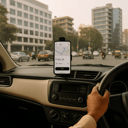
Uber customers in Dallas can now get matched with Avride robotaxis through the regular ride-hailing app, marking a significant commercial deployment in the autonomous vehicle space. The service launches with human safety operators behind the wheel and covers a 9-square-mile downtown area, with plans for fully driverless operations in the future.
Uber customers in Dallas just got access to something that felt like science fiction a few years ago - robotaxis available through the same app they use for regular rides. The launch represents the latest milestone in Uber's aggressive push into autonomous vehicles, bringing the total number of AV partnerships to 20 across freight, delivery, and passenger transport.
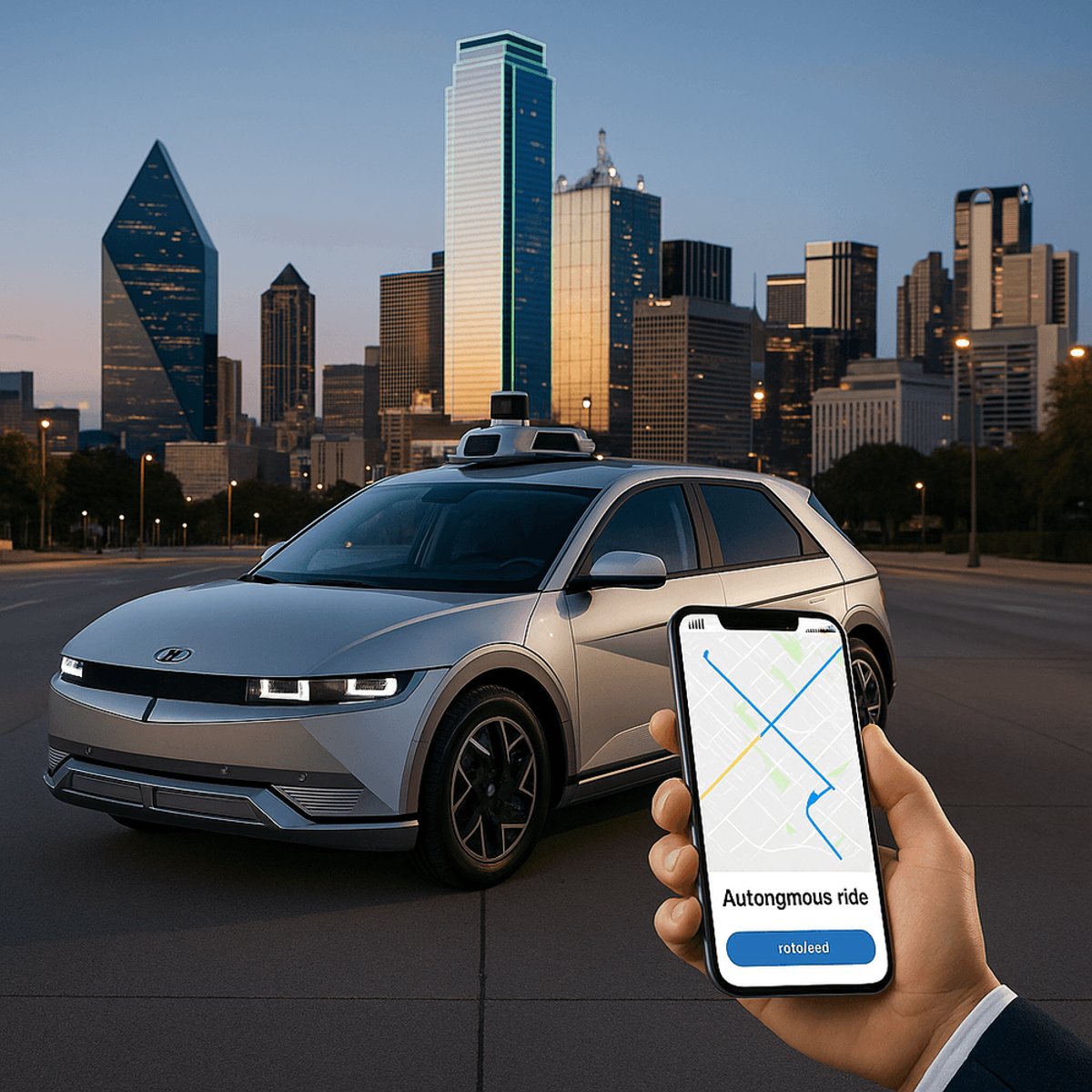
The Dallas deployment uses Avride's self-driving technology integrated into all-electric Hyundai Ioniq 5 vehicles, initially covering a 9-square-mile area that includes downtown. For now, human safety operators sit behind the wheel to monitor each ride, but both companies confirm fully driverless operations will begin in the future as the service area expands.
Avride, an Austin-based startup under parent company Nebius Group (formerly Yandex NV), has moved quickly from sidewalk delivery robots to passenger robotaxis. The partnership began just over a year ago, and according to TechCrunch reporting, Avride's delivery robots have already been operating through Uber Eats in Austin, Dallas, and Jersey City since the fall.
The timing couldn't be more strategic for Uber. The company has been on a dealmaking spree this year, locking in autonomous vehicle partnerships with established players like Waymo, China's WeRide, and San Francisco startup Nuro. Uber already offers robotaxi services in Abu Dhabi and Riyadh with WeRide, and in Atlanta, Austin, and Phoenix with Waymo.
"Uber said it plans to have autonomous vehicles on its network in at least 10 cities by the end of 2026," according to the official announcement. The expansion roadmap includes Arlington, Texas, Dubai, London, Los Angeles, Munich, and the San Francisco Bay Area over the next two years.
For passengers, the experience mirrors Uber's existing Waymo integration. When requesting UberX, Uber Comfort, or Uber Comfort Electric rides, users might get matched with an Avride robotaxi - though it's not guaranteed. Riders can adjust their app settings to increase the chances of getting a robotaxi, and they'll pay the same price as human-driven rides.
The business model follows Uber's established playbook. Avride initially manages its own fleet, while Uber handles rider support from day one. Eventually, Uber will take over daily operations including cleaning, maintenance, inspections, charging, and depot management - essentially turning autonomous vehicle companies into technology providers rather than transportation operators.
This fall's $375 million investment round from Uber and Nebius gives Avride the runway to scale rapidly. The funding came just months after Avride proved its delivery robot technology could work reliably within Uber's existing infrastructure, creating confidence for the higher-stakes robotaxi deployment.
The Dallas launch carries significant implications for the broader autonomous vehicle industry. While companies like Waymo have focused on building their own ride-hailing services, Uber's platform approach could accelerate AV adoption by plugging multiple technology providers into its existing user base of 150 million monthly active riders.
Competitors are watching closely. Traditional automakers like General Motors have struggled with their own robotaxi ambitions - GM recently shut down its Cruise operations in several cities following safety incidents. Meanwhile, Tesla CEO Elon Musk continues promising a Tesla robotaxi network, though concrete deployment timelines remain unclear.
What makes the Uber-Avride partnership particularly interesting is the safety-first approach. Rather than rushing to fully driverless operations, both companies are taking a measured approach with safety operators initially monitoring every ride. This contrasts with some competitors who've pushed for immediate driverless deployment, sometimes leading to regulatory pushback and safety concerns.
The 9-square-mile operating area might seem limited, but it's strategically chosen to include Dallas's dense downtown core where ride-hailing demand is highest. As the technology proves reliable in this controlled environment, expansion becomes easier to justify to both regulators and passengers.
The Uber-Avride Dallas launch signals a new phase in autonomous vehicle deployment, where established ride-hailing platforms become the primary distribution channel for AV technology. With safety operators providing initial oversight and a measured expansion plan, this partnership could become the template for how robotaxis actually reach mainstream adoption - not through standalone services, but integrated into the apps people already use every day.