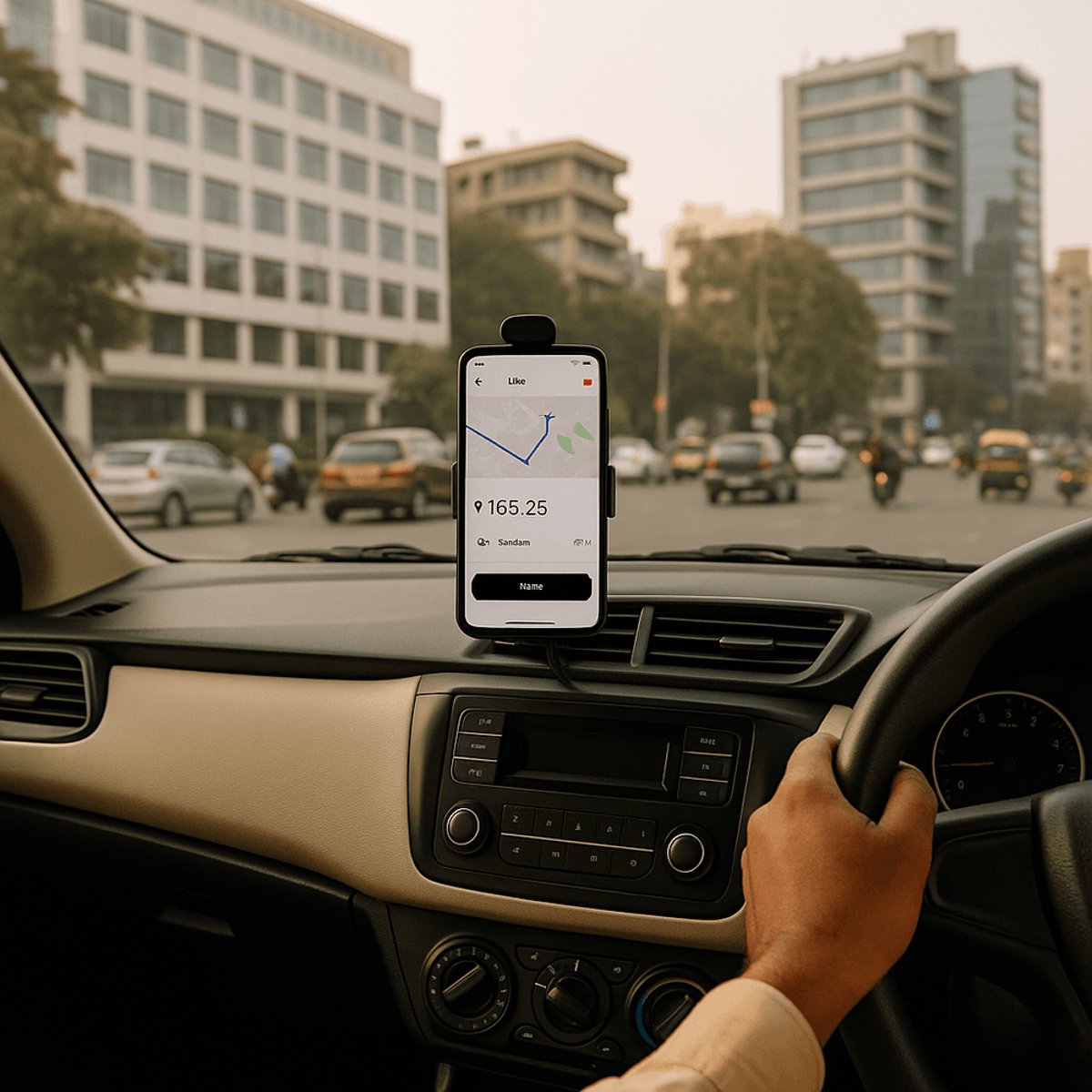
Uber has quietly rolled out in-app video recording for drivers across 10 major Indian cities, marking the ride-hailing giant's latest attempt to address safety concerns in one of its most critical markets. The pilot, which started in May and includes Delhi, Mumbai, and Bengaluru, comes as drivers report facing false complaints and misconduct from passengers that can lead to account suspensions.
Uber just made a significant move in India's complex ride-sharing landscape. The company has been quietly testing in-app video recording for drivers across 10 major cities since May, TechCrunch reports, addressing growing safety concerns in a market where dashcams aren't standard equipment.
The timing isn't coincidental. Half a dozen Uber drivers in the Delhi-NCR region told reporters they regularly face misconduct from passengers, with some riders threatening false complaints if drivers don't comply with route changes or other demands. "Even female passengers traveling late at night insist that we follow the route they want instead of what's shown on the map. If we refuse, they threaten to file false complaints," one driver shared anonymously, highlighting the power imbalance that can leave drivers vulnerable.
These aren't just isolated incidents. False complaints can trigger penalties or complete account suspensions, effectively cutting off drivers' livelihoods in a gig economy where platform access means everything. The psychological pressure is real - drivers find themselves caught between following company protocols and avoiding retaliatory complaints from passengers who, as several drivers noted, "pay for the trip and can easily switch to competing platforms if dissatisfied."
Uber's solution builds on infrastructure the company has been developing globally. The video recording feature first launched in the U.S. in 2022 and is already available in Canada and Brazil. In India, it extends the audio recording capability that rolled out in 2023, creating a more comprehensive safety documentation system.
The technical implementation prioritizes privacy while maintaining utility. "All recordings are double-encrypted, stored on the device, and cannot be accessed by anyone - including Uber - unless a user chooses to share them as part of a safety report," an Uber spokesperson explained. Videos automatically delete after a week if not shared, and riders receive in-trip notifications when recording is active.
The current pilot spans India's economic powerhouses: Delhi, Mumbai, Bengaluru, Chennai, Pune, Hyderabad, Chandigarh, Kolkata, Jaipur, and Lucknow. This geographic spread captures diverse urban environments and rider behaviors across India's north-south divide, giving Uber comprehensive data on how the feature performs across different cultural contexts.
But the rollout raises broader questions about surveillance and privacy in ride-sharing. India's digital privacy landscape is evolving rapidly, with new data protection regulations taking shape. Uber must navigate not just technical implementation but also regulatory compliance and public acceptance of in-vehicle recording.
The pilot's success could reshape safety protocols across Uber's global operations. India represents one of the company's largest markets outside the U.S., with unique challenges around driver-rider dynamics, regulatory environments, and technology adoption. If video recording proves effective at reducing disputes and false complaints, expect Uber to accelerate deployment in other emerging markets facing similar issues.
Drivers remain cautiously optimistic. While the recording feature could provide crucial evidence during disputes, many question whether Uber will actually side with drivers when conflicts arise. The platform's customer-first approach has historically favored riders in dispute resolution, leaving drivers uncertain about whether video evidence will meaningfully shift that dynamic.
The coming months will be telling. Uber hasn't announced timeline for broader rollout, but pilot performance data will likely determine whether video recording becomes standard across India or expands to other regions. Driver adoption rates, dispute resolution outcomes, and rider acceptance will all factor into the decision.
Uber's video recording pilot represents more than just a safety feature - it's a test of how technology can rebalance power dynamics in the gig economy. If successful in India's complex market environment, this could become the new standard for ride-sharing platforms globally. The real measure won't just be adoption rates, but whether it actually protects drivers when disputes arise, fundamentally changing how platform justice works in favor of those who need it most.