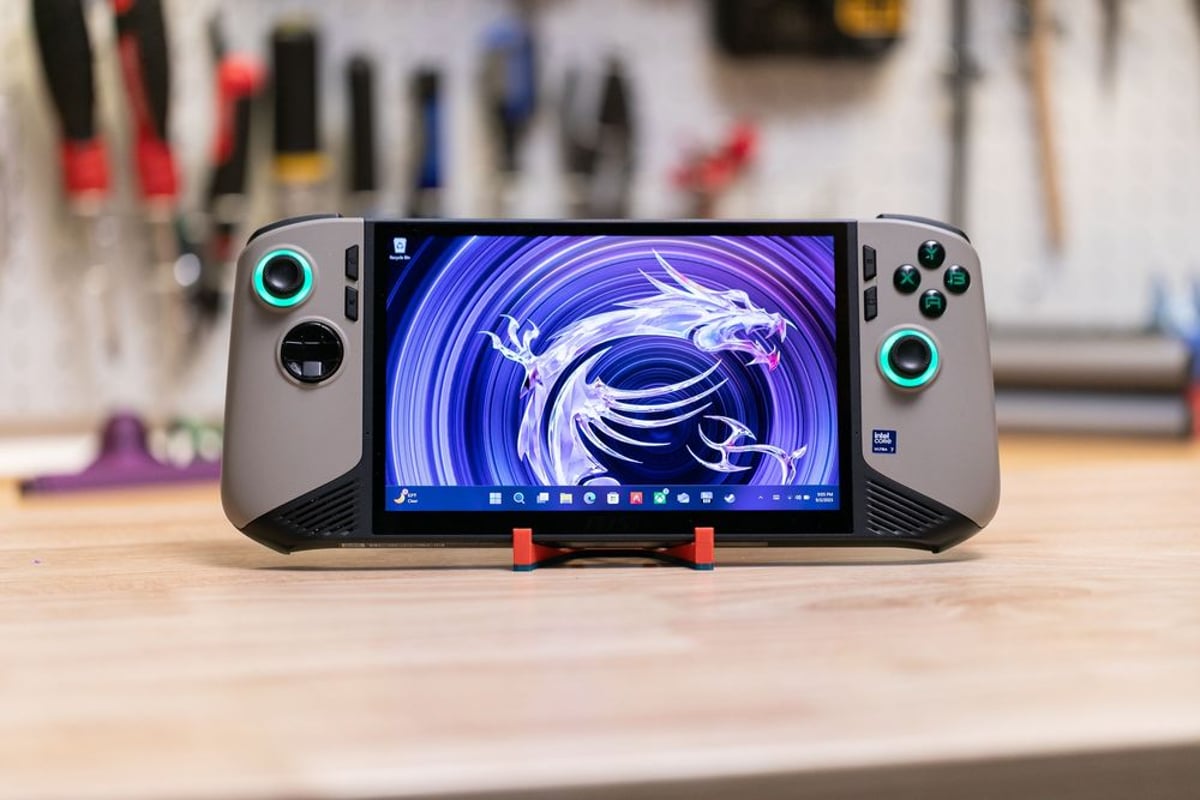
Microsoft just extended its Xbox Full Screen Experience to MSI Claw gaming handhelds, marking another strategic push to dominate the portable PC gaming space. The console-like interface arrives via Windows 11 Insider Preview Build 26220, bringing Xbox ecosystem integration to MSI's gaming handheld lineup. This expansion signals Microsoft's aggressive play to make Xbox the default gaming experience across all Windows handhelds, directly challenging Steam Deck's dominance.
Microsoft is rapidly expanding its Xbox Full Screen Experience across the gaming handheld landscape, and MSI Claw owners are the latest to get access. The company quietly rolled out preview support for its console-style interface through today's Windows 11 Insider Preview Build 26220, bringing Xbox ecosystem integration to MSI's Intel-powered gaming handhelds.
The timing isn't coincidental. Microsoft's been methodically building its handheld strategy since the Steam Deck proved there's a massive market for portable PC gaming. By embedding Xbox directly into Windows handhelds, the company's essentially trying to make its gaming ecosystem the default experience, bypassing Steam's dominance in the process.
But early adopters might want to pump the brakes. The Xbox Full Screen Experience debuted on the Asus ROG Ally and Ally X earlier this month, and The Verge's Sean Hollister encountered significant issues during testing. From navigation bugs to performance hiccups, the feature feels more like a promising beta than a polished release.
For MSI Claw users brave enough to dive in, Microsoft's provided straightforward activation instructions. "On supported devices, go to Settings > Gaming > Full screen experience, then select Xbox as your home app," the company explains. Once enabled, users can access the interface through Task View and Game Bar, or configure their handheld to boot directly into the Xbox experience.
The broader strategy here is fascinating. Microsoft's not just competing with Valve's Steam Deck - it's trying to own the entire Windows handheld ecosystem before it fully takes off. By partnering with OEMs like MSI, Asus, and Lenovo, Microsoft can offer a unified Xbox experience across multiple hardware platforms while letting partners handle the actual device manufacturing.
Lenovo's Legion Go 2 is already confirmed to ship with Xbox FSE support when it launches in spring 2026, and Microsoft hints that "additional OEMs" will enable their handhelds for the feature "in the coming months." That suggests we'll see Xbox integration become standard across the Windows handheld space.
The move also positions Microsoft to capture revenue from both Xbox Game Pass subscriptions and the broader Windows gaming ecosystem. Instead of losing handheld gamers to Steam Deck's Linux-based approach, Microsoft can keep them firmly planted in Windows while funneling them toward Xbox services.
For now, though, the Xbox Full Screen Experience remains rough around the edges. Microsoft's clearly prioritizing rapid deployment across OEM partners over polish, which could backfire if early user experiences are consistently buggy. The company's betting that getting Xbox in front of handheld gamers quickly outweighs the risk of a subpar initial impression.
Microsoft's rapid Xbox Full Screen Experience rollout across Windows handhelds represents a calculated gamble to dominate portable PC gaming before competitors can establish stronger footholds. While the feature currently suffers from significant bugs and polish issues, the strategic positioning is clear - Microsoft wants Xbox to be the default gaming experience on every Windows handheld. Success here could fundamentally shift how people think about portable gaming, moving beyond Steam's current dominance toward a more console-like ecosystem that Microsoft controls end-to-end.