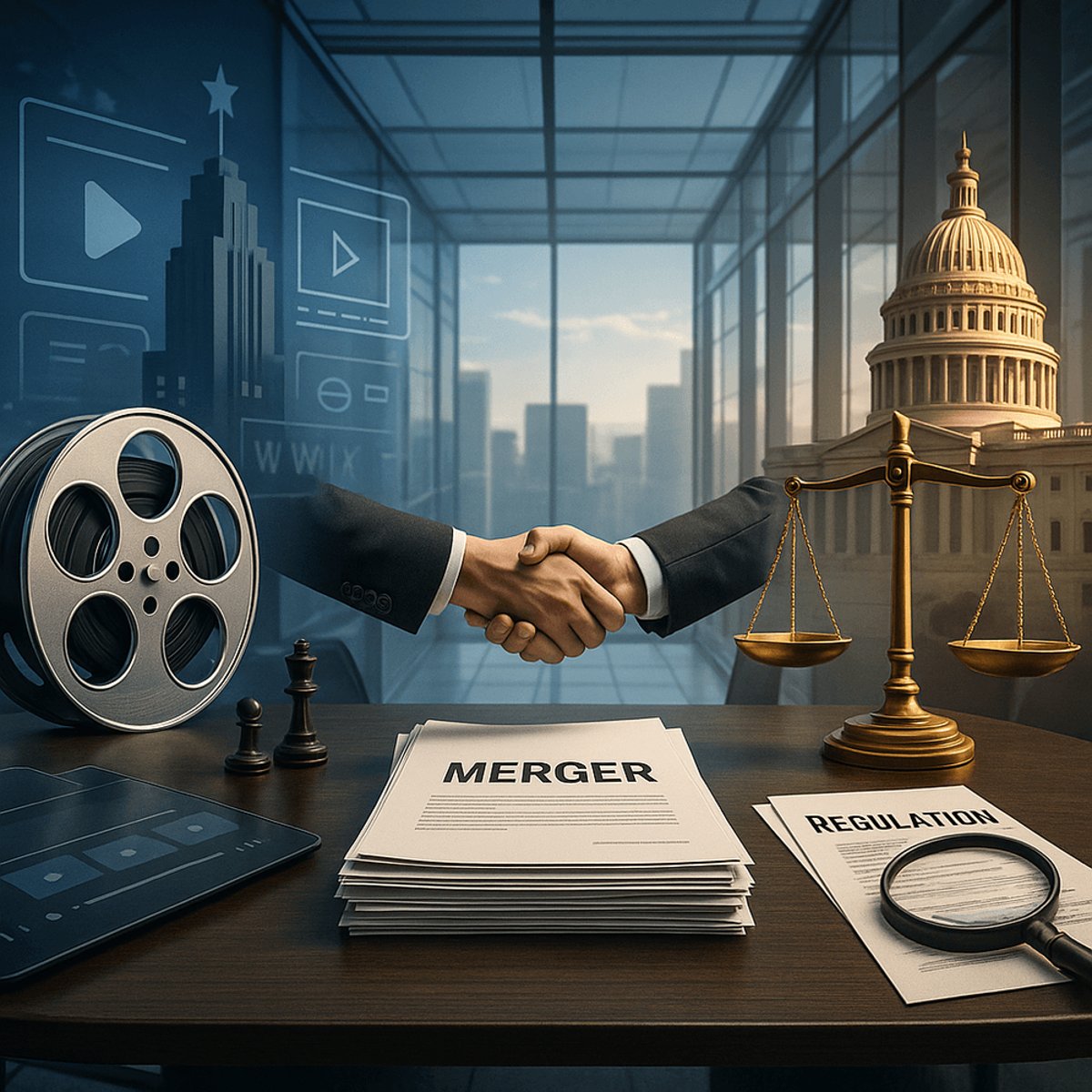
Netflix just dropped $72 billion to acquire Warner Bros. Discovery's film studio and HBO Max, but the streaming giant's biggest gamble yet is already hitting serious resistance from the Trump administration. The deal would reshape Hollywood's power structure, but regulatory skepticism could derail the entertainment industry's largest merger.
Netflix just made the biggest bet in streaming history, and Wall Street isn't sure what to make of it. The company's surprise $72 billion acquisition of Warner Bros. Discovery's film studio and HBO Max sent shockwaves through Hollywood Friday, creating an instant streaming superpower that would control everything from HBO's prestige dramas to Warner's blockbuster franchises.
But the market's initial reaction tells the real story. Netflix shares tumbled 2.89% as investors digested the sheer scale of the transaction, while Warner Bros. Discovery stock soared 6.3% on news of the windfall. "Look, the math is going to hurt Netflix for a while. There's no doubt," Rich Greenfield, co-founder of LightShed Partners, told CNBC. "This is expensive."
The deal would instantly transform Netflix from a streaming service into a full-spectrum entertainment conglomerate, combining its global reach with Warner's century-old film library and HBO's premium content machine. Think of it as Disney's playbook on steroids - vertical integration across content creation, distribution, and global streaming infrastructure.
But there's a problem brewing in Washington. The Trump administration is already signaling serious resistance to the mega-merger. A senior official told CNBC's Eamon Javers Friday that they view the deal with "heavy skepticism," setting up what could be a brutal regulatory fight. President Trump himself said he would personally weigh in on the decision, according to Reuters reporting Monday.
This isn't just about antitrust concerns - it's about media consolidation at a moment when streaming platforms are already reshaping how Americans consume news and entertainment. The combined entity would control roughly 40% of premium streaming content in the US, giving Netflix unprecedented influence over what gets produced and distributed globally.
The timing couldn't be more complex. Warner Bros. Discovery has been struggling under massive debt loads since the 2022 merger that created the company, while Netflix has been burning cash on content to compete with Disney+, Apple TV+, and Amazon Prime Video. This deal would solve both companies' problems while creating new ones for competitors and regulators.
Industry analysts are split on whether the merger makes strategic sense. On one hand, Netflix gets HBO's prestige brand, Warner's film library, and a proven content creation pipeline. On the other, they're taking on Warner's debt problems and regulatory headaches that could drag on for years.
The deal structure itself is telling - an all-equity transaction that values Warner's entertainment assets at nearly double their current market cap. That premium suggests Netflix sees this as a now-or-never moment to consolidate the streaming wars before competition intensifies further.
What happens next will likely determine the future of media consolidation under the Trump administration. If this deal gets blocked, it signals a tougher stance on big tech acquisitions across the board. If it goes through, expect every major streaming player to start shopping for studios and content creators.
The regulatory review process could take 12-18 months, during which both companies will need to operate separately while building their case for approval. That means Netflix subscribers won't see HBO content anytime soon, and the competitive landscape remains unchanged for now.
This $72 billion deal represents more than just another streaming merger - it's a test case for how the Trump administration will handle big tech consolidation going forward. Whether Netflix can navigate the regulatory maze while managing integration costs will determine if this gamble pays off or becomes the streaming industry's most expensive mistake. For now, the only thing certain is that everyone's watching.