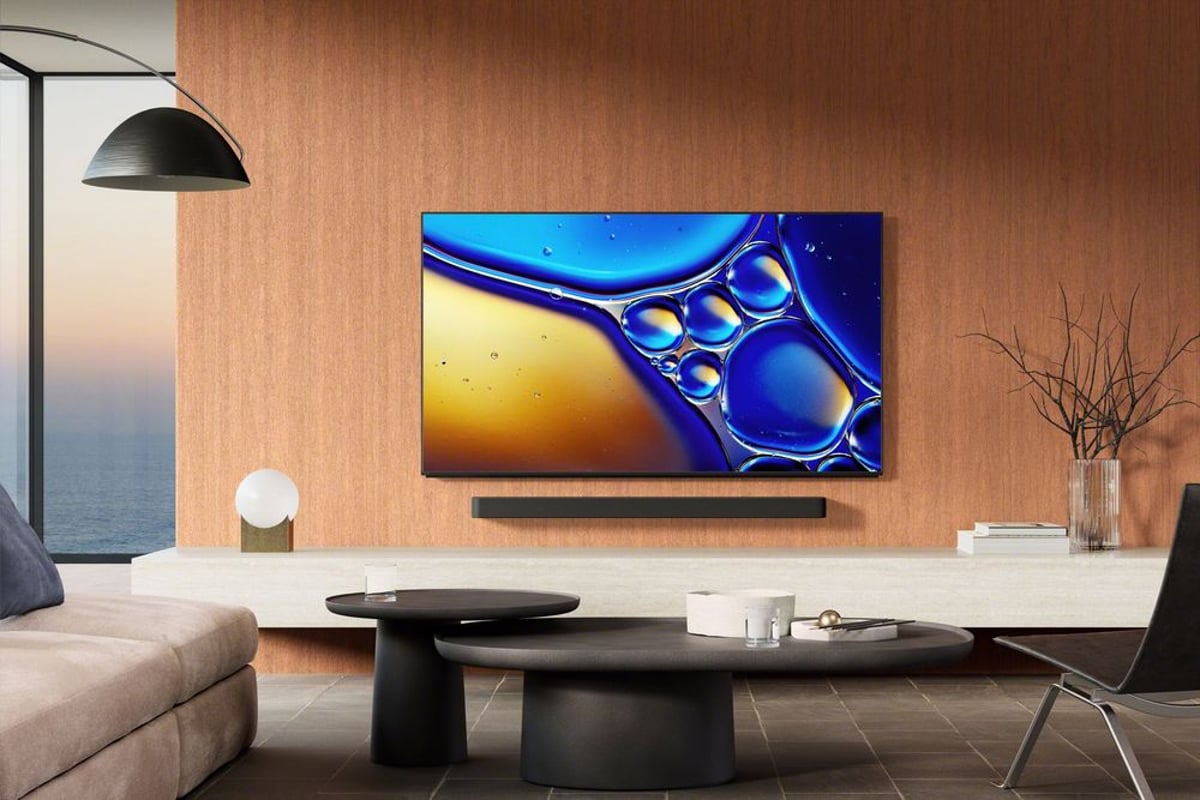
Sony just pulled the trigger on one of the most significant restructurings in its consumer electronics history. The iconic electronics maker is spinning off its entire TV hardware business into a new joint venture with Chinese manufacturer TCL, with TCL taking a controlling 51 percent stake while Sony holds 49 percent. The move marks the formal end of an era for one of the TV industry's original premium brands and sets the stage for a completely reimagined Bravia TV lineup.
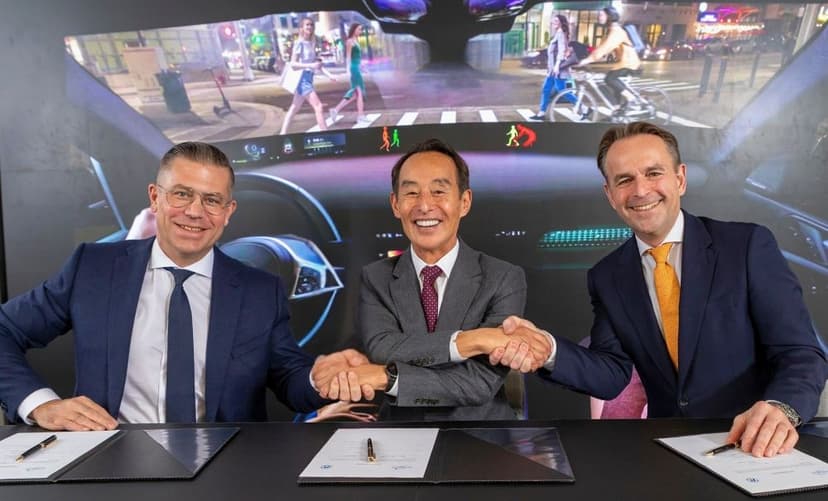
Sony has announced plans to spin off its TV hardware business into a new joint venture with TCL, marking a fundamental shift in how one of the world's most recognizable consumer electronics brands will operate. The two companies have signed a nonbinding agreement where TCL will hold 51 percent of the new venture and Sony will hold 49 percent, effectively handing operational control to the Chinese manufacturer while Sony remains a significant stakeholder.
This isn't just a casual partnership. The deal represents a strategic pivot driven by brutal market realities in consumer televisions. For years, Sony's Bravia line has been premium but increasingly sidelined as TCL, Hisense, and other Asian manufacturers ate away at market share with aggressive pricing and surprisingly good technology. By combining forces, Sony gets access to TCL's legendary cost efficiency and supply chain prowess, while TCL gains the golden ticket it's been chasing for years: access to Sony's legendary picture processing technology and the prestige of the Bravia brand.
Sony CEO Kimio Maki stated that the partnership will allow both companies to "create new customer value in the home entertainment field, delivering even more captivating audio and visual experiences to customers worldwide." Meanwhile, TCL chairperson DU Juan emphasized the opportunity to "elevate our brand value, achieve greater scale, and optimize the supply chain in order to deliver superior products and services to our customers."
The new company will retain Sony and Bravia branding for all future products and will manage global operations from product development and design through manufacturing, sales, and logistics for both televisions and home audio equipment. This structure essentially means that while Sony's name stays on the box, TCL will be calling many of the shots behind the scenes. The partnership aims to combine Sony's legendary picture and audio technology, brand value, supply chain management, and operational expertise with TCL's own display technology, vertical supply chain strength, global market presence, and cost efficiency capabilities.
The two companies are targeting a March 31 deadline to finalize binding agreements, with the new joint venture expected to begin operations in April 2027, pending regulatory approvals. That timeline gives both companies nearly 15 months to hash out the complex details of integrating two very different manufacturing and business cultures.
What makes this deal potentially transformative for consumers is the convergence of two different strengths. Sony's image processing and audio engineering have always been genuinely exceptional, which is why premium Bravia TVs have commanded respect even at higher price points. TCL, meanwhile, has quietly become one of the world's most innovative TV manufacturers, especially with their mini-LED technology and quantum dot implementations. Combined, this partnership could theoretically unlock premium-quality Bravia TVs at much more competitive price points than Sony has ever been able to offer.
The decision also signals something deeper about the television industry itself. Hardware-only plays are increasingly difficult to defend. Margins compress, competition intensifies, and the only way to survive is to either go aggressively upmarket into specialty niches or partner with someone who can manufacture at scale. Sony essentially chose the latter path, trading operational independence for a chance to remain relevant in a category it helped define but has gradually lost ground in.
This partnership represents a rare moment where the TV industry's structural challenges force even storied brands like Sony to reimagine their business model. For consumers, it's potentially good news. Sony finally gets the cost structure needed to compete with TCL and Hisense while maintaining quality standards, and TCL gets the brand credibility and image processing technology it's been building toward. The real test comes in 2027 when the first jointly developed Bravia TVs hit the market. If they're as good as the best of what each company can offer, this deal becomes a watershed moment for consumer electronics. If they're compromised by too many competing priorities, it becomes a cautionary tale about the dangers of splitting the difference.