The smartphone industry just got hit with a brutal pricing reality check. Nothing CEO Carl Pei is warning consumers that phone prices are climbing fast and won't stop anytime soon, driven by a RAM shortage that's already quadrupled memory costs for the company's latest devices. In a candid post on X, Pei revealed that RAM now accounts for over half the cost of building a new phone - a supply chain crisis that's forcing every manufacturer to reconsider their pricing strategy heading into 2027.
Nothing CEO Carl Pei just delivered the message no smartphone shopper wants to hear: if you're thinking about upgrading, "the best time was yesterday." The stark warning, posted on X, reveals just how dramatically the global RAM shortage is reshaping the economics of smartphone manufacturing.
The numbers tell a brutal story. Pei disclosed that memory costs for the Phone 4A doubled between when Nothing decided to build the device and when it actually launched. They've doubled again since then - a quadrupling of costs that's turning component procurement into a nightmare for manufacturers. "RAM can now account for over 50 percent of the cost of a new phone," Pei explained, a threshold that fundamentally changes how companies price their devices.
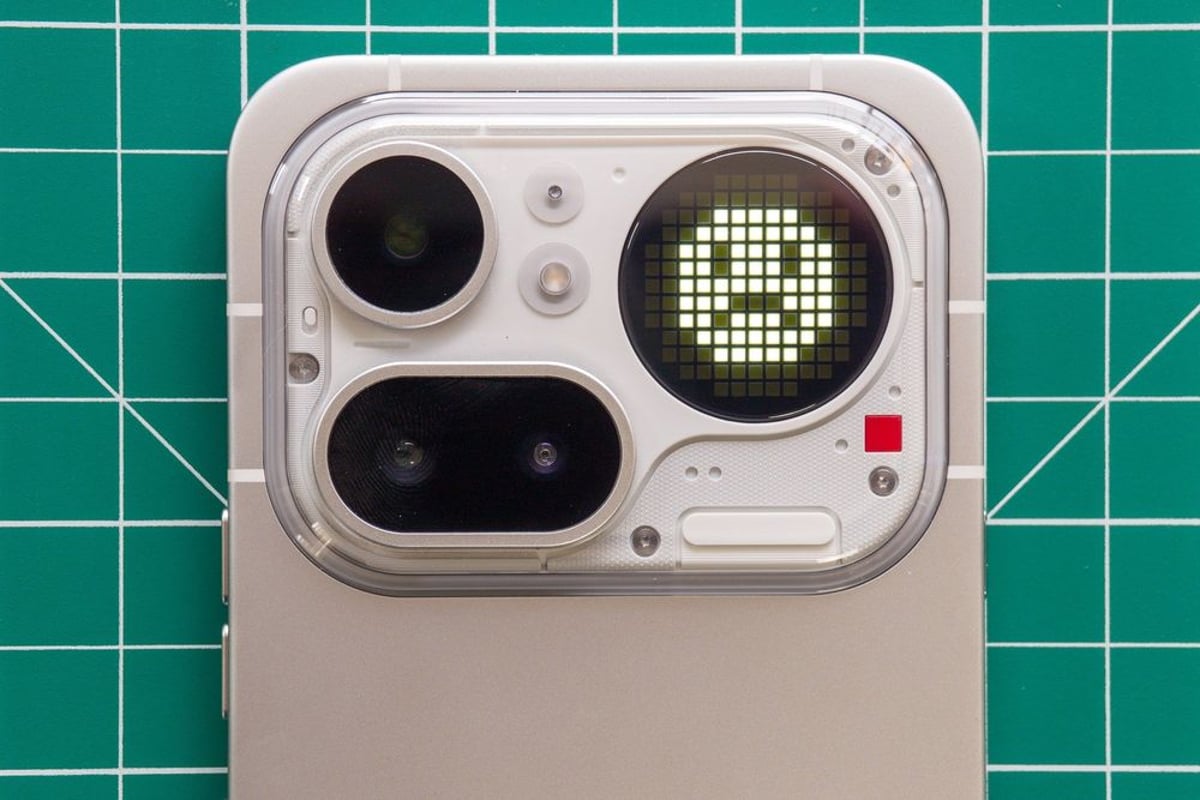
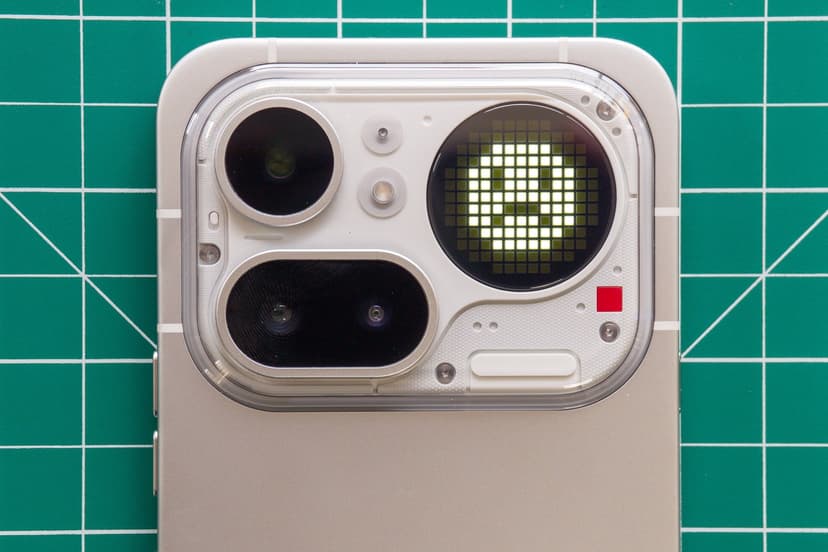
Nothing's mid-range Phone 4A lineup has taken the brunt of this impact. The company's strategy has always centered on delivering premium features at accessible price points, but when your memory costs explode fourfold, that equation breaks down fast. The Phone 4A Pro, which features Nothing's distinctive Glyph Matrix interface and transparent design language, now faces margin pressures that didn't exist when the product was first conceived.
This isn't just a Nothing problem. Pei's warning echoes similar alerts from multiple smartphone manufacturers during Mobile World Congress, where the RAM shortage dominated behind-the-scenes conversations. Xiaomi, TCL, and other major players have all flagged component costs as a critical concern for 2026 and beyond, according to previous reporting from The Verge.
The shortage traces back to a perfect storm of supply chain factors. Demand for high-bandwidth memory has surged across AI data centers, gaming PCs, and mobile devices simultaneously, while manufacturing capacity hasn't kept pace. PC RAM prices already spiked earlier this year, and that pressure has now fully cascaded into the smartphone market.
For Nothing, a company that's built its brand identity around challenging industry norms and offering better value than established players, the situation is particularly challenging. The London-based startup, founded by former OnePlus co-founder Carl Pei in 2020, has cultivated a devoted following by delivering distinctive design and solid specs at competitive prices. But when component costs quadruple, even the most efficient operations face hard choices between raising prices or sacrificing margins.
The mid-range segment faces the most acute pressure. Flagship phones can absorb component cost increases more easily because they already command premium prices. Budget devices can cut specs or features to maintain price points. But mid-range phones like the Phone 4A series occupy a narrow band where slight price increases can push devices into the next psychological price bracket, fundamentally changing their market positioning.
Industry analysts suggest the RAM shortage could persist well into 2027 as manufacturers work to expand production capacity. Memory fabrication plants require massive capital investment and years to bring online, meaning supply constraints won't resolve quickly even if every major player accelerates their roadmaps today.
Pei's public warning represents a strategic shift in how companies communicate with consumers about pricing. Rather than quietly raising prices and hoping buyers don't notice, Nothing's taking a transparent approach - acknowledging the cost pressures and explaining why prices must increase. It's a gamble that the company's community-focused audience will appreciate the honesty, even if they don't like the message.
The implications extend beyond individual purchase decisions. If phone prices continue climbing through 2027, upgrade cycles could lengthen as consumers hold onto devices longer. That would ripple through the entire mobile ecosystem, affecting everything from app development priorities to carrier subsidy models to trade-in values.
The smartphone industry is entering a pricing crisis that will force consumers to rethink upgrade strategies and manufacturers to recalculate their entire market positioning. Nothing's warning isn't just about one company's challenges - it's a canary in the coal mine for an industry-wide shift that will define the mobile market through 2027. For shoppers, the calculus is simple: phone prices are rising now and will keep rising. Waiting for better deals means paying more for the same hardware as component costs continue their climb. The only question is whether manufacturers can maintain their product roadmaps while managing margins, or if we'll see a wave of spec cuts and feature compromises alongside the price increases.