Samsung is making a big push into smart climate control, showcasing its expanded HVAC portfolio at MCE 2026 in Milan this week. The highlight is the Bespoke AI WindFree Pro air conditioner with AI-driven airflow patterns and energy-saving features that cut consumption by up to 30%. For the first time, Samsung's booth also features products from FläktGroup, the European HVAC specialist it acquired last year, signaling a more aggressive play in commercial heating and cooling markets.
Samsung is bringing AI from smartphones and TVs into your living room - literally. At the Mostra Convegno Expocomfort trade fair in Milan, the company is showing off an expanded lineup of heating and cooling systems that learn from your habits and adjust on the fly.
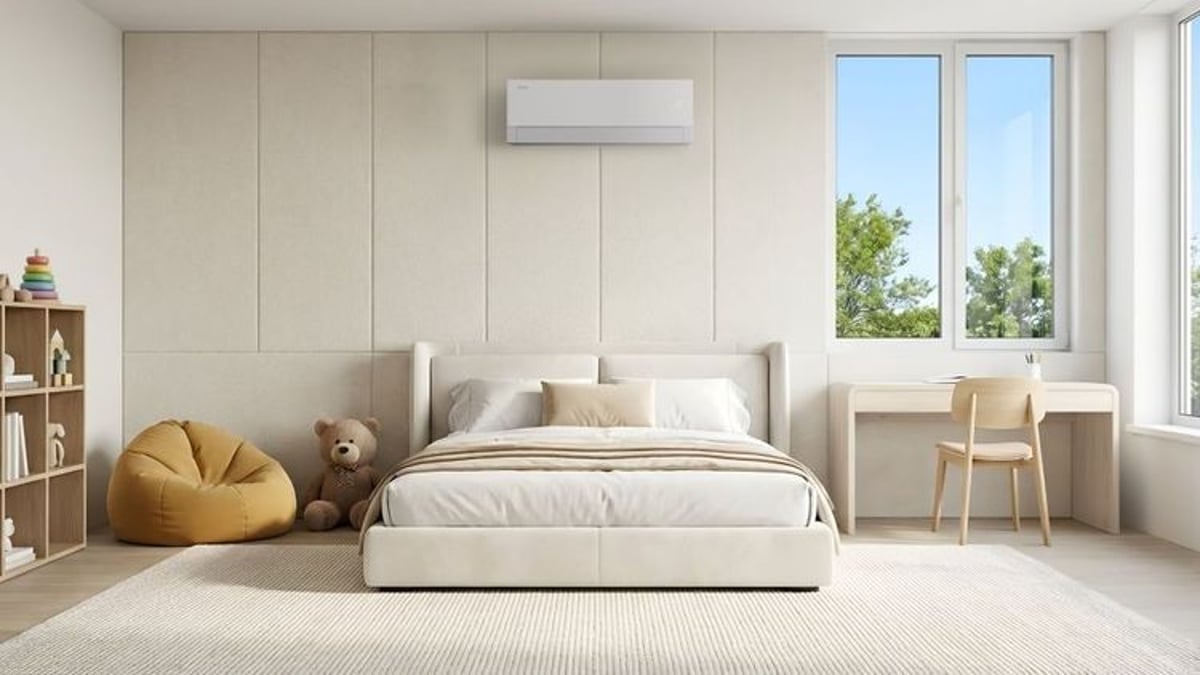
The star of the show is the Bespoke AI WindFree Pro, Samsung's latest residential air conditioner that ditches the one-size-fits-all approach to cooling. At its core sits Motion Wind, a three-blade system that creates seven different airflow patterns ranging from Max Wind for rapid cooling to the gentle WindFree mode that keeps you comfortable without the blast of cold air directly on your skin. Two AI-driven modes - AI Direct Wind and AI Indirect Wind - use sensors to either follow you around the room with targeted cooling or keep you comfortable while avoiding direct airflow.
"Samsung has been steadily expanding its presence in the HVAC industry, bringing new innovations to customers every year," Sean Lim, Executive Vice President and Head of the Air Solution Business Team at Samsung Electronics, told attendees according to Samsung's announcement. "At MCE 2026, we are showing how our approach translates into better living."
The AI Fast & Comfort Cooling feature analyzes indoor and outdoor temperature, humidity, and room dimensions to automatically switch between Fast Cooling for quick temperature drops, WindFree for draft-free comfort, and Dry Comfort for dehumidification without the chill. Connect it to the SmartThings app and AI Energy Mode kicks in, studying your patterns and environmental conditions to slash energy consumption by up to 30%, based on Samsung's internal testing.
But Samsung's ambitions go beyond window units and split systems. The company is spotlighting an all-in-one heat pump system pairing a single outdoor unit with the EHS ClimateHub indoor unit. This setup handles space heating, cooling, and domestic hot water through both air and water in one integrated package. The system can run simultaneous functions - water-based space heating with air heating, or water cooling with air cooling - and recycles heat that would normally get dumped outdoors. Instead of wasting the heat absorbed during cooling, it redirects it for water-based heating or hot water production. The result is a coefficient of performance (COP) hitting 8.2, making it one of the more efficient residential climate systems on the market according to Samsung's testing data.
On the commercial side, Samsung is rolling out the DVM S2+, its latest variable refrigerant flow (VRF) system equipped with R32 refrigerant to meet evolving global standards. The standout feature is AI Adaptive Control, which adjusts the outdoor unit's performance based on surrounding conditions to reduce energy usage by up to 25% under certain circumstances, per Samsung's lab testing.
The bigger strategic move is the integration of FläktGroup, the European HVAC specialist Samsung acquired last year. This marks the first time Samsung and FläktGroup products share booth space at a major trade show. FläktGroup's lineup - air handling units, chilled beams, fan coil units, and air terminal solutions - strengthens Samsung's hand in large-scale commercial and industrial environments, especially data centers where precision cooling is critical.
Samsung's booth at MCE 2026 is organized into dedicated zones - EHS, WindFree, Chiller, and DVM areas, plus a SmartThings service zone - demonstrating how the pieces fit together. Visitors can explore scenarios enabled by SmartThings Pro, including streamlined monitoring, integrated device control, and energy insights designed for both residential and commercial deployments.
The HVAC push fits into Samsung's broader strategy of embedding AI and connectivity across its product portfolio. As climate control becomes more software-defined and energy costs remain a concern for both homeowners and building managers, Samsung is betting that AI-driven optimization and ecosystem integration will differentiate its offerings in a crowded market. The FläktGroup acquisition gives Samsung instant credibility and distribution in Europe's commercial HVAC market while adding technical expertise in large-scale installations.
The trade show runs through March 27 at Fiera Milano, with Samsung inviting attendees to experience the products firsthand and engage with company representatives about deployment scenarios.
Samsung's MCE 2026 showcase signals a serious commitment to the smart HVAC market, blending AI-driven features with the ecosystem play that's worked across its consumer electronics lineup. The FläktGroup integration opens doors to commercial and industrial clients, while AI-powered residential products like the Bespoke AI WindFree Pro position Samsung as more than just an appliance maker. As buildings get smarter and energy efficiency becomes non-negotiable, Samsung's betting that the same AI and connectivity strategy that won smartphones and TVs can translate to climate control. The real test will be whether installers, building managers, and homeowners see enough value in AI-optimized airflow and energy savings to choose Samsung over entrenched HVAC players.