Shield AI just became one of the most valuable defense tech startups in the world. The San Diego-based company hit a $12.7 billion valuation - a staggering 140% jump in just 12 months - after securing a major contract to power Anduril's Fury fighter jet for the U.S. Air Force. The deal cements Shield AI's position as the software brain behind next-generation autonomous combat aircraft, marking a pivotal moment in the Pentagon's push toward AI-powered warfare.
Shield AI is riding the defense tech boom to unprecedented heights. The company's valuation rocketed from roughly $5.3 billion to $12.7 billion in a single year, according to TechCrunch, fueled by a critical contract win that positions it as the software provider for Anduril's Fury fighter jet program with the U.S. Air Force.
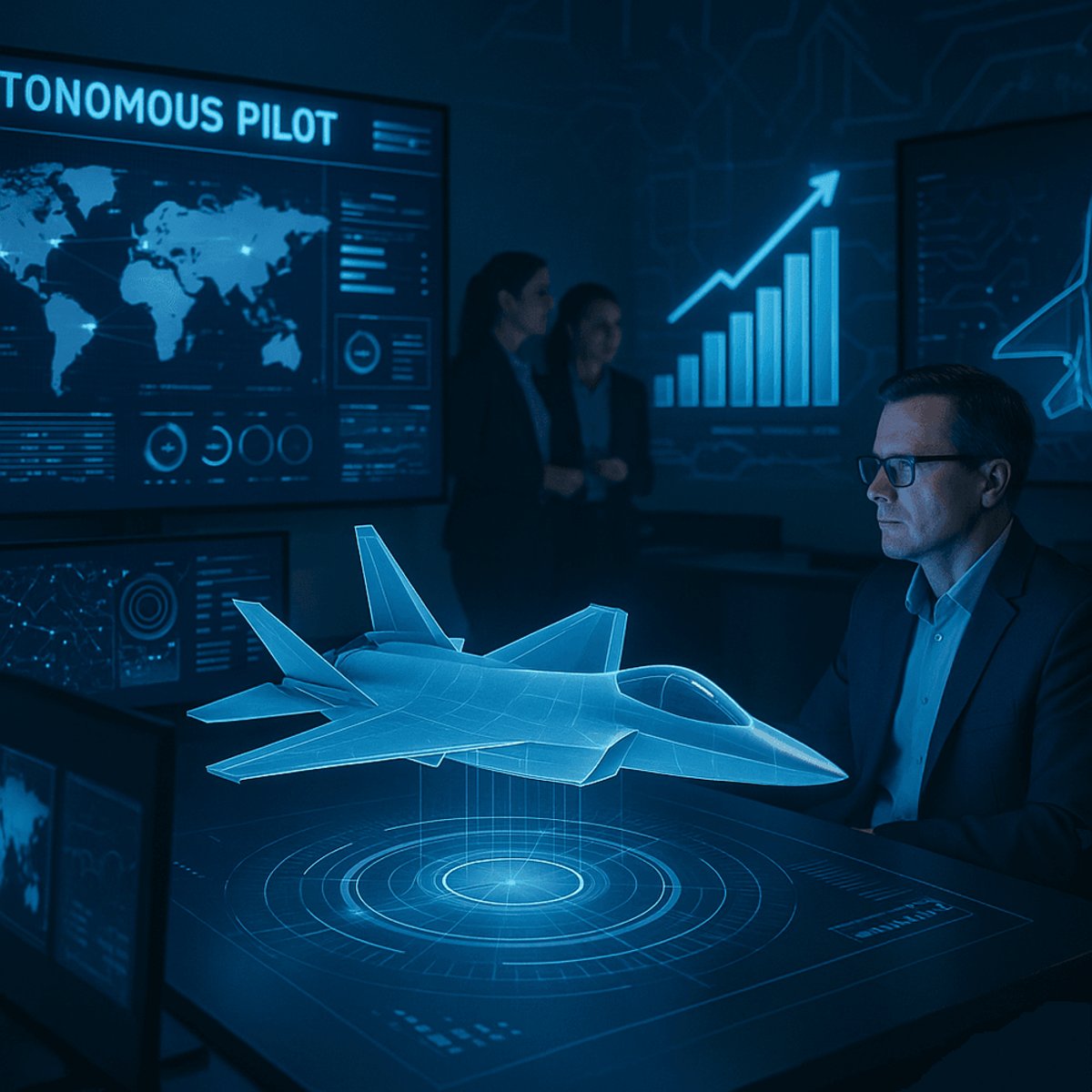
The deal represents more than just revenue - it's validation of Shield AI's core technology, an AI pilot system called Hivemind that enables autonomous flight without GPS, communications, or human pilots. While financial terms weren't disclosed, the strategic implications are massive. Shield AI is now embedded in one of the Pentagon's most ambitious next-generation aircraft programs, competing directly with traditional defense giants like Lockheed Martin and Northrop Grumman.
Anduril, the defense startup founded by Palmer Luckey, has been developing the Fury as part of the Air Force's Collaborative Combat Aircraft program - essentially creating AI-controlled wingman drones that fly alongside manned fighters. By tapping Shield AI's software, Anduril gains proven autonomous capabilities while Shield AI secures a production-scale platform for its technology. It's a partnership that's reshaping how the defense industry thinks about aircraft development.
The valuation spike also reflects broader momentum in defense tech investing. Traditional venture capital has been pouring into companies building AI-powered military systems, driven by geopolitical tensions and Pentagon modernization initiatives. Shield AI previously raised funding from notable investors including Andreessen Horowitz, Point72 Ventures, and US Innovative Technology Fund, though the company hasn't announced a new funding round tied to this latest valuation milestone.
Founded in 2015 by former Navy SEAL Brandon Tseng and his brother Ryan, Shield AI started by building small reconnaissance drones for indoor operations. The company's Nova drone saw combat deployments in the Middle East, giving Shield AI credibility with military customers and real-world data to train its AI systems. That operational experience set it apart from purely software-focused competitors.
But Shield AI's ambitions extend far beyond small drones. The company has been systematically moving upmarket, acquiring aircraft manufacturers and scaling its Hivemind software to larger platforms. The Anduril partnership represents the culmination of that strategy - getting Shield AI's technology onto fighter-class aircraft that could be produced in significant numbers.
The timing couldn't be better for defense AI companies. The Pentagon has explicitly prioritized autonomous systems and software-defined warfare in recent budget cycles. The Air Force's Collaborative Combat Aircraft program alone could be worth tens of billions over the next decade, with plans to field hundreds or even thousands of autonomous aircraft. Shield AI is now positioned to capture a meaningful slice of that spending.
Competitors are taking notice. Companies like Palantir, which provides AI software for military targeting and intelligence, and Blue Force Technologies, another autonomous aircraft developer, are racing to secure similar production contracts. The defense tech landscape is rapidly consolidating around a handful of companies with proven technology and Pentagon relationships.
For Shield AI, the $12.7 billion valuation raises inevitable questions about an IPO. Defense contractors have historically performed well in public markets, and the company's growth trajectory mirrors that of other successful defense tech exits. But going public would mean increased disclosure requirements and scrutiny of its government contracts - a trade-off many defense startups are reluctant to make.
What's clear is that autonomous military systems have moved from experimental to production reality. The U.S. military is betting billions that AI pilots can outperform humans in certain scenarios while reducing risk to personnel. Shield AI's valuation surge suggests investors believe that bet will pay off - and that software companies, not traditional aerospace giants, will capture much of the value.
Shield AI's explosive valuation growth signals a fundamental shift in how the Pentagon buys military technology. Software companies are no longer just supporting defense systems - they're becoming the core value driver. As the U.S. military accelerates its push toward autonomous warfare, Shield AI's positioning on the Fury program gives it pole position in what could be a multi-decade platform cycle. The real test comes next: proving the technology works at scale, delivering on production timelines, and navigating the notoriously complex world of defense procurement. But at $12.7 billion, investors are clearly betting Shield AI can pull it off.