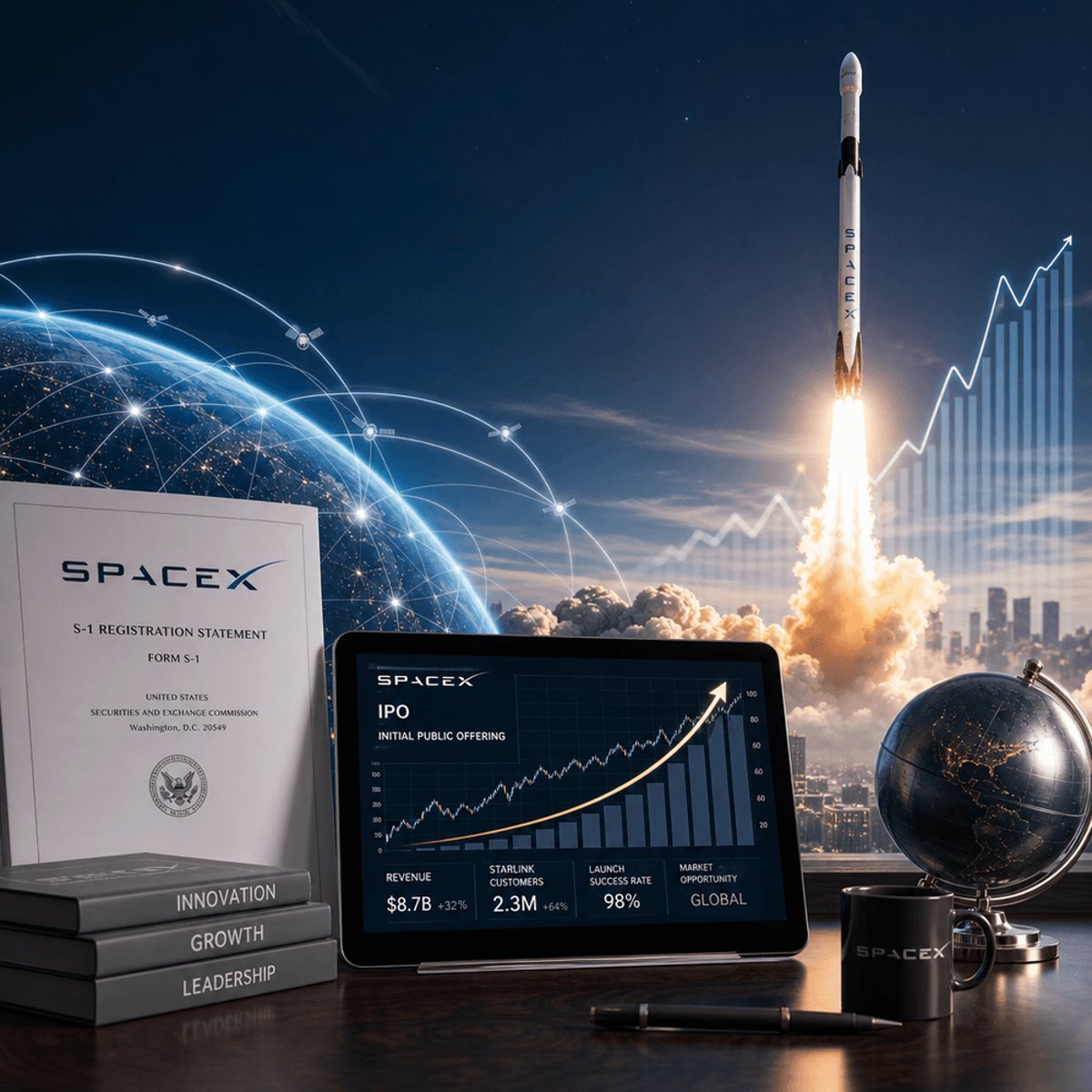
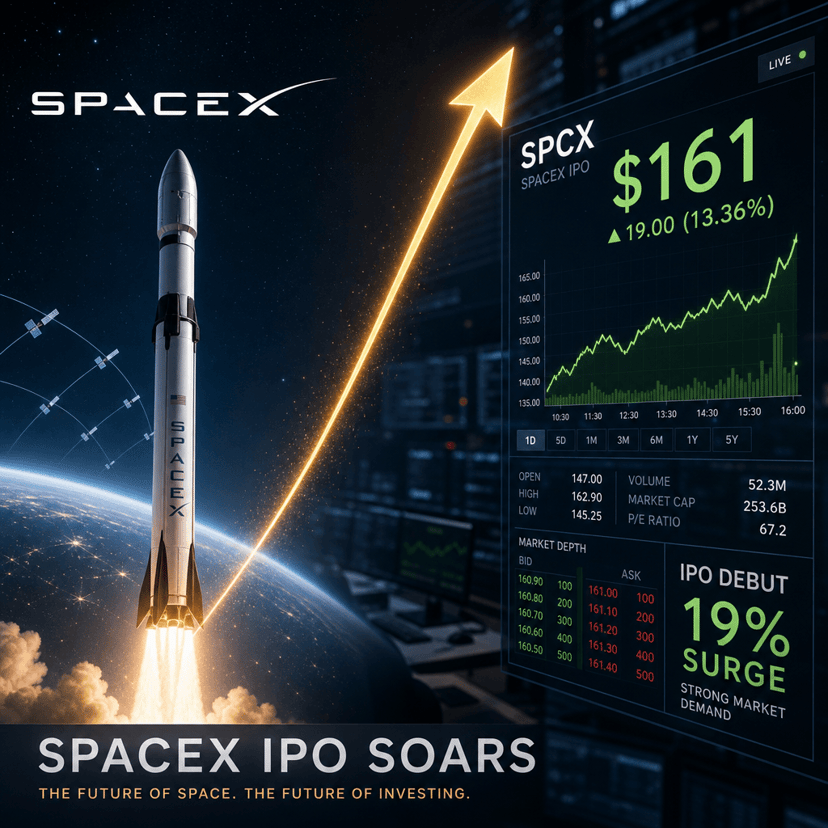
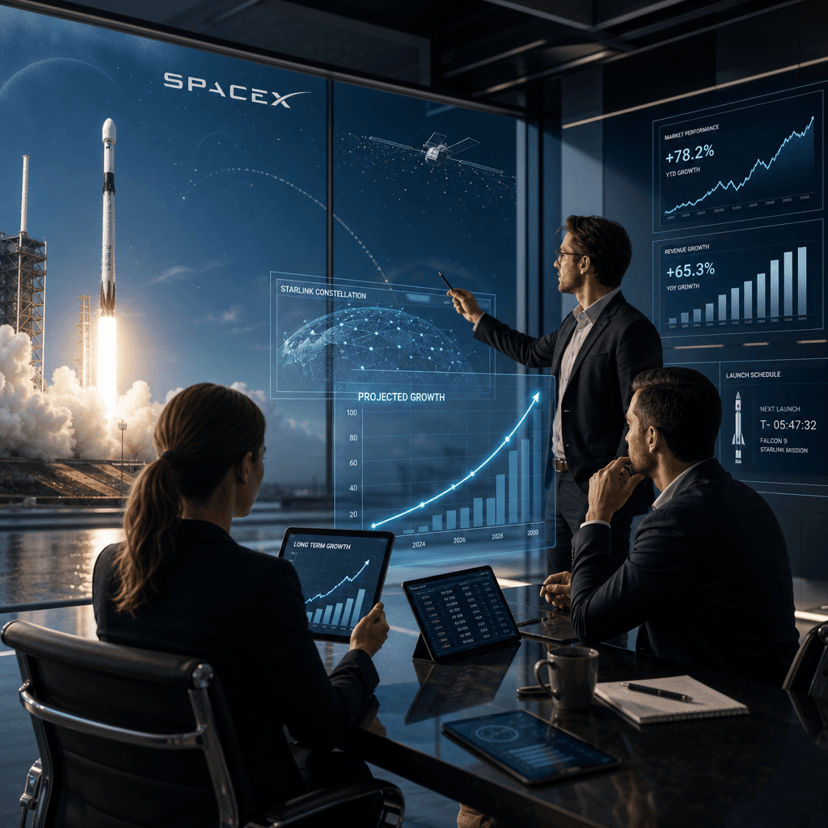
SpaceX just dropped its S-1 registration document, officially kicking off what could be the decade's most anticipated IPO. After more than 20 years of operating privately, Elon Musk's aerospace giant is finally opening its books to public investors. The filing reveals who's cashing in, what the company's really worth, and how pre-IPO deals positioned early insiders ahead of the public debut. TechCrunch is tracking every detail as the story unfolds.
SpaceX finally did it. The company that revolutionized rocket reusability and turned satellite internet into a billion-dollar business just filed to go public, ending more than two decades of fierce financial privacy. The S-1 registration document hit the SEC's servers late Friday, and Wall Street is already tearing through the details.
This isn't just another tech IPO. SpaceX sits at the center of America's space ambitions, with tentacles reaching into satellite broadband, government contracts, Mars colonization plans, and the entire commercial launch industry. The company's decision to go public marks a dramatic shift for founder Elon Musk, who's spent years insisting that public markets would constrain SpaceX's long-term mission.
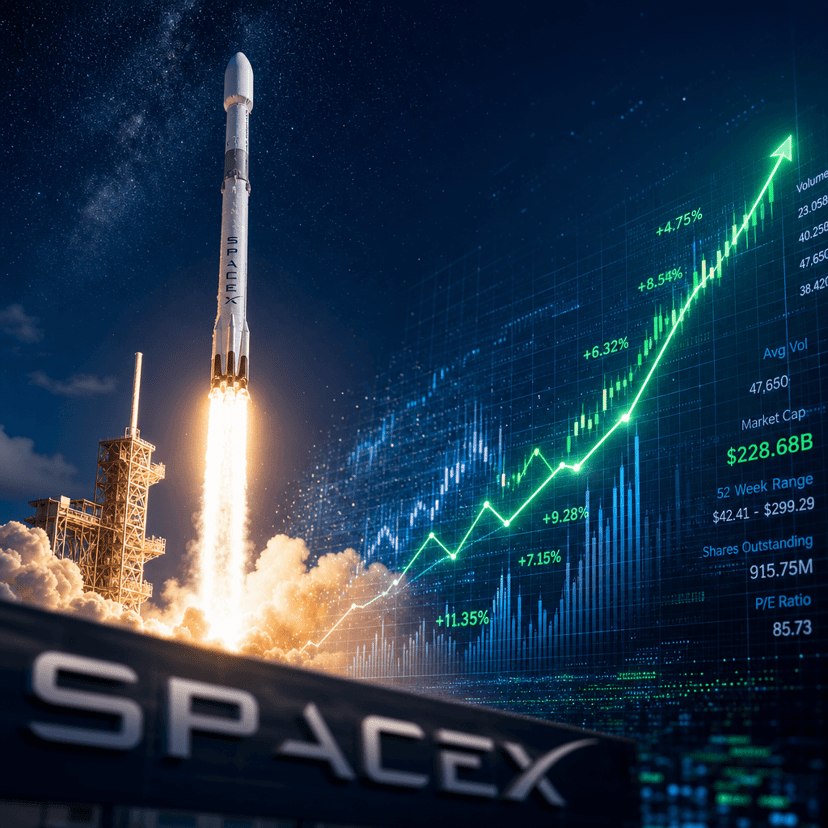
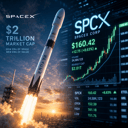
The timing tells its own story. SpaceX has evolved from a scrappy rocket startup that nearly went bankrupt in 2008 into a juggernaut valued at over $200 billion in private markets, according to recent secondary share transactions. The S-1 filing reveals exactly how the company plans to position itself to public investors and what financial metrics it's willing to expose.
According to TechCrunch's live coverage, the filing package includes detailed breakdowns of who stands to win from the public offering. Early employees sitting on stock options granted when the company was worth a fraction of today's valuation could see life-changing payouts. Venture firms that backed SpaceX during its rocky early years are positioned for returns that rival the biggest wins in startup history.
But there are complications. The S-1 also exposes pre-IPO deals that gave select investors special terms, liquidity preferences, and board representation that public shareholders won't enjoy. These arrangements, common in late-stage private companies, create a two-tiered structure that could spark controversy once retail investors pile in.
The commercial space sector is watching closely. Competitors like Blue Origin and Rocket Lab now face a rival with access to public capital markets and the credibility that comes with SEC scrutiny. SpaceX can use publicly traded stock as acquisition currency, employee compensation, and a benchmark for its own valuation in ways that weren't possible as a private entity.
The filing also sheds light on revenue streams that have been the subject of endless speculation. Starlink, SpaceX's satellite internet service, has been generating substantial cash flow, but exact figures have been murky. The S-1 should clarify how much revenue comes from Starlink subscriptions versus government contracts versus commercial launch services. That breakdown matters because it tells investors whether SpaceX is primarily a government contractor, a consumer internet company, or a transportation provider.
NASA's role looms large. SpaceX holds multi-billion dollar contracts for lunar lander development, ISS cargo missions, and crew transportation. The S-1 will reveal how dependent the company is on government revenue and what happens if political winds shift or budget priorities change. Public companies face different scrutiny around government relationships than private firms do.
Then there's Starship, the massive fully reusable rocket that Musk claims will take humans to Mars. Development costs for Starship have been enormous, and the S-1 should detail how much SpaceX has already spent and how much more it needs to complete development. Public investors will want a clear path to profitability for Starship, not just aspirational Mars timelines.
The IPO also crystallizes Musk's own position. His stake in SpaceX has been estimated at around 42% based on previous reporting, but the S-1 will provide exact numbers. With Musk already juggling CEO roles at Tesla and significant ownership of X (formerly Twitter), his attention and capital allocation across companies becomes a material concern for SpaceX public shareholders.
Market conditions add another layer of complexity. The IPO market has been turbulent, with several high-profile offerings stumbling out of the gate. But SpaceX brings name recognition, proven technology, and revenue growth that few companies can match. Underwriters are likely betting that SpaceX's story is compelling enough to overcome broader market jitters.
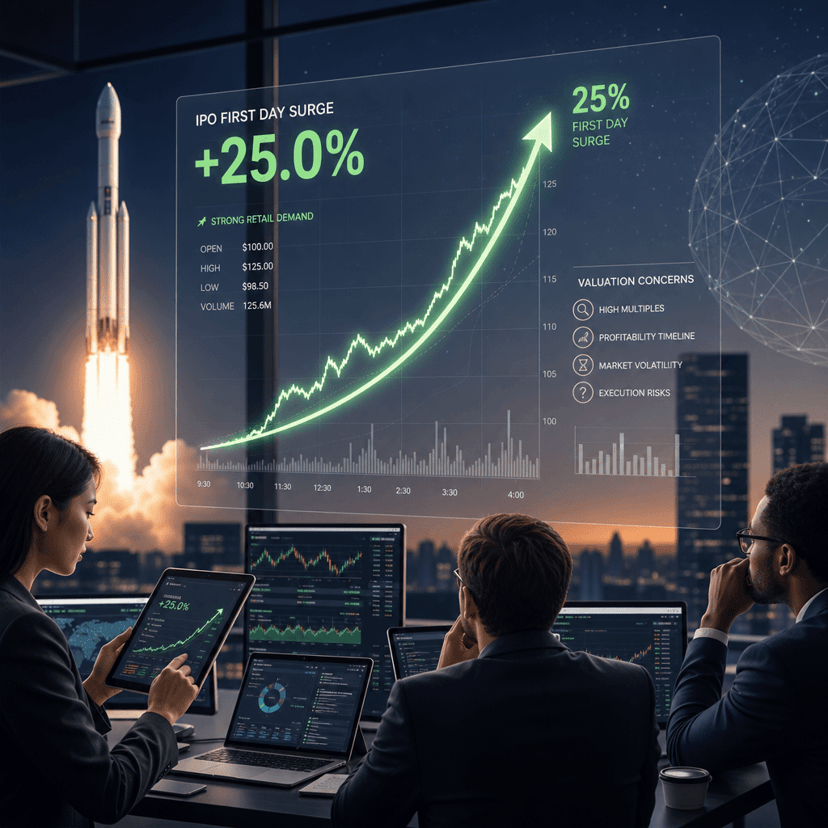
The S-1 filing kicks off a roadshow process where SpaceX executives will pitch institutional investors, answer questions about financials, and gauge demand for shares. Pricing the IPO correctly is critical - too high and the stock tanks on day one, too low and the company leaves money on the table. Given SpaceX's unique position and the lack of direct comparables, pricing will be as much art as science.
SpaceX's IPO filing represents more than just another company going public - it's a watershed moment for the commercial space industry and a test of whether public markets can accommodate Musk's long-term vision. The S-1 document will answer questions that analysts and competitors have been asking for years, from Starlink's unit economics to Starship's development trajectory. Early investors and employees are positioned for historic returns, but public shareholders will be buying into a company with massive capital requirements, government dependencies, and a founder with divided attention. As the roadshow unfolds and pricing details emerge, the market will decide whether SpaceX's ambitions justify what's likely to be one of the largest valuations in IPO history. What's certain is that every space company, defense contractor, and satellite operator is reading this S-1 very carefully.