The gaming console market is experiencing a dramatic shift as Nintendo's Switch 2 smashes sales records while industry-wide price increases push consumer spending to new heights. Despite PlayStation 5 and Xbox Series consoles falling double digits year-over-year, total hardware sales jumped 32% to $312 million in August, according to Circana data released today.
The gaming industry just witnessed one of the most dramatic market reversals in recent memory. While Microsoft and Sony watch their console sales tumble, Nintendo is rewriting the playbook with the Switch 2's explosive debut.
The numbers tell a striking story. Hardware sales hit $312 million in August, up 32% from last year's $236 million, according to Circana research. But here's the twist - this surge isn't happening because people are buying more consoles. It's because they're paying significantly more for them.
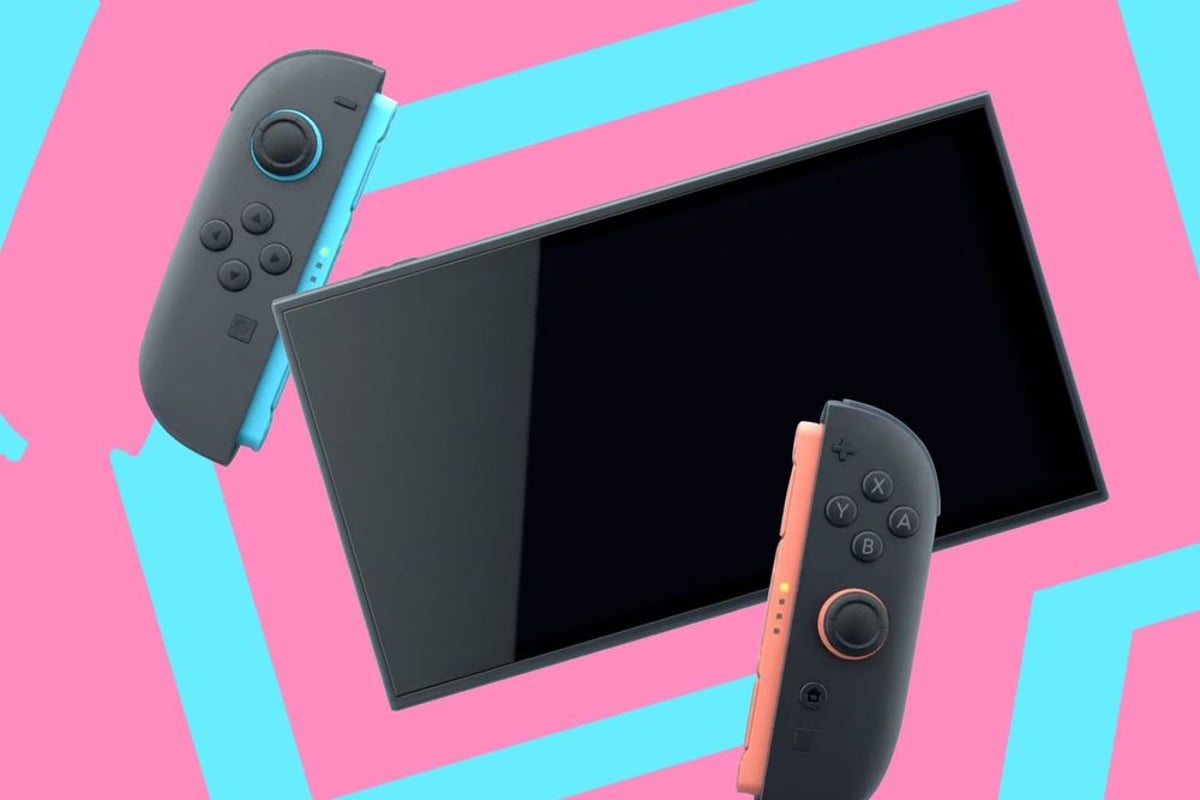
Nintendo's Switch 2 has become an unstoppable force, moving 2.4 million units in its first three months and claiming the title of fastest-selling console in history. The device is outpacing the PlayStation 4's legendary launch by 5%, while crushing the original Switch's performance by a staggering 77% at the same lifecycle stage.
"Yes, hardware is doing well so far this year (thanks to Nintendo Switch 2 of course) - but it's higher selling prices that are really driving the total spending growth," Circana analyst Mat Piscatella noted on social media.
The pricing reality is stark. Xbox Series S consoles that started 2025 at $299.99 now cost $399.99. The all-digital Series X jumped from $449.99 to $599.99 - a $150 increase that reflects broader tariff impacts across the industry. Sony followed suit, implementing $50 price bumps across all PlayStation 5 models.
These aren't subtle adjustments. Console prices have increased 12.3% year-over-year while unit sales grew just 6.5%, creating a mathematical reality where spending growth far outpaces actual demand. Consumer spending on game consoles has reached $2.9 billion for 2025, representing a 20% increase that's almost entirely driven by higher prices rather than volume.
The market dynamics reveal a fascinating split. Nintendo's new hardware is genuinely driving enthusiasm and sales, while established players are essentially asking customers to pay more for the same experience. PlayStation 5, Xbox Series, and even the original Switch all posted double-digit declines in unit sales.
Yet consumers haven't fled the market. Despite a top-tier Xbox Series X now costing $799.99 for the 2TB Galaxy Black configuration, buyers are still opening their wallets. The industry seems to have found its pricing ceiling somewhere south of historical extremes - the Neo Geo handheld launched at $649.99 in 1990, equivalent to roughly $1,500 in today's purchasing power.
This pricing tolerance suggests several possibilities. The Switch 2's genuine innovation may be creating a halo effect that lifts the entire category. Alternatively, console gaming's installed base has matured into a demographic less sensitive to price increases, particularly as high-end gaming PCs routinely exceed $1,000.
The timing couldn't be more critical for the industry. With tariff policies continuing to impact electronics pricing and Nintendo establishing new performance benchmarks, competitors face a choice: innovate to justify premium pricing or risk further market share erosion.
For Microsoft, the challenge is particularly acute. Xbox hardware has struggled against PlayStation dominance for years, and now faces the additional headwind of Nintendo's resurgence in the premium handheld space that Xbox has largely abandoned.
The broader implications extend beyond gaming. If consumers accept 12% price increases on discretionary electronics purchases, it signals either robust disposable income among target demographics or successful industry messaging about enhanced value propositions.
The console wars have entered a new phase where Nintendo's innovation meets industry-wide price inflation. While the Switch 2 proves genuine demand still exists for breakthrough hardware, the broader market's acceptance of double-digit price increases suggests we're witnessing a fundamental shift in how consumers value gaming experiences. The question now isn't whether prices will continue rising, but whether Microsoft and Sony can deliver innovation compelling enough to justify their premium positioning in Nintendo's new reality.