Tesla is facing another wrongful death lawsuit after 20-year-old Samuel Tremblett died trapped inside his burning Model Y in Easton, Massachusetts. The case adds to mounting pressure on the EV maker as federal regulators investigate electronic door handles linked to at least 15 deaths since 2016. Tremblett's final 9-1-1 call - "I can't breathe. It's on fire. Help. Please. I'm going to die" - underscores a design flaw that's now triggered regulatory action in China and a major NHTSA investigation stateside.
Tesla just got hit with another wrongful death lawsuit that's putting its controversial door handle design under an even harsher spotlight. The mother of Samuel Tremblett filed suit in US District Court in Massachusetts after her 20-year-old son died trapped inside his burning Model Y on October 29, 2025. The young man's final moments, captured in desperate 9-1-1 calls, paint a horrifying picture: "I can't breathe. It's on fire. Help. Please. I'm going to die."
The Easton, Massachusetts crash has become the latest flashpoint in a safety crisis that's been building for years. According to the lawsuit filed by Tremblett's mother, Tesla "carelessly, negligently, unskillfully, with gross negligence designed, manufactured, and marketed dangerously defective vehicles." It's a direct assault on CEO Elon Musk's repeated safety claims - including his 2018 earnings call boast that "At Tesla, we're absolutely hardcore about safety."
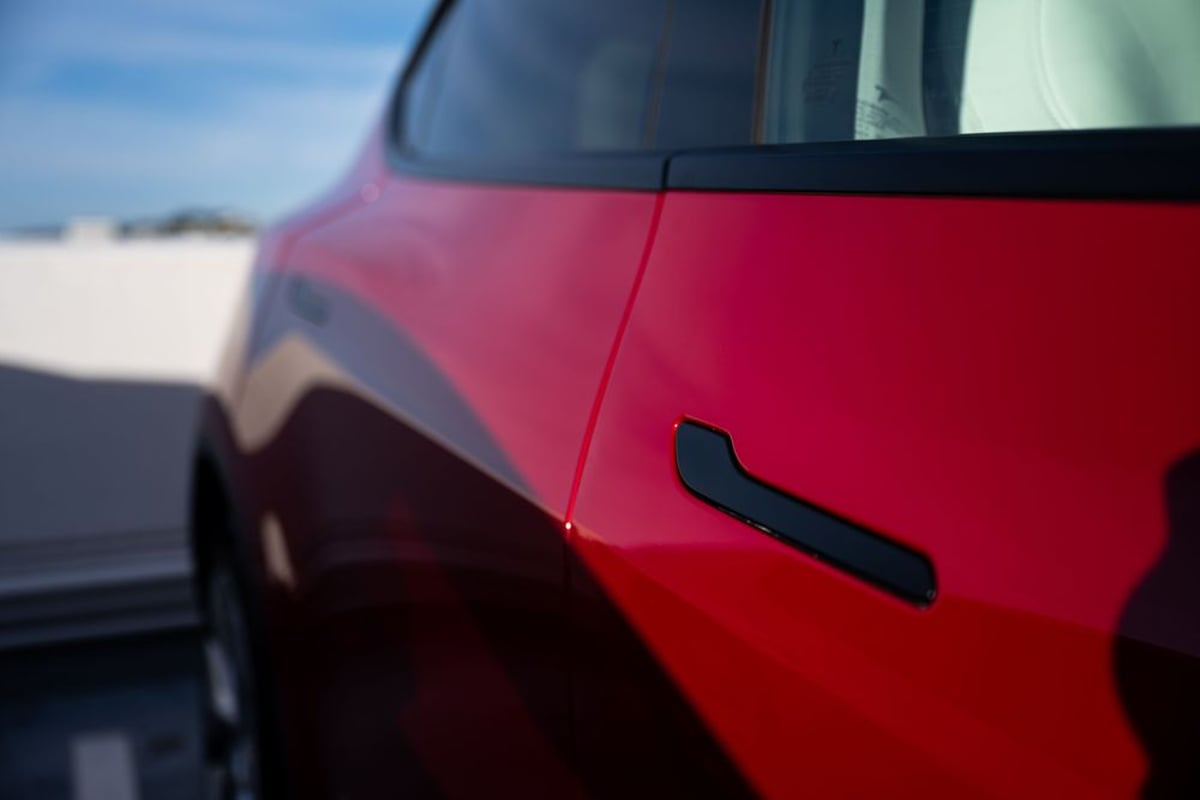
But the numbers tell a different story. The lawsuit details at least 15 deaths since 2016 linked to Tesla's electronic door handles, which sit flush against the vehicle for improved aerodynamics. When a crash cuts power, those sleek handles can become death traps. Manual releases exist, but they're often hidden or difficult to operate in panic situations - especially for children.
The National Highway Traffic Safety Administration launched a formal investigation after complaints from Tesla owners mounted, with particular concern about kids locked inside vehicles. The agency notes that certain people, especially children, may not be able to operate the manual door releases even when they know where to find them. That's not a minor design quirk - it's a fundamental safety failure.
Bloomberg's investigation last September uncovered more than 140 US reports related to Tesla's doors getting stuck since 2018. The pattern is clear: crashes disable the electronic system, occupants can't find or operate manual releases, and fires turn vehicles into coffins. Each incident follows the same tragic script that played out in Tremblett's case.
The regulatory response is picking up speed. China banned electronic door handles outright, deeming them unsafe and requiring mechanical alternatives by January 2027. That's a massive market telling Tesla its design philosophy is fundamentally flawed. When the world's largest EV market says your doors are dangerous, that's not a suggestion - it's a verdict.
Tesla has said it's redesigning the door handles to combine electronic and manual mechanisms into one button. But there's no timeline, no retrofit plan for existing vehicles, and no clear commitment to fix the hundreds of thousands of cars already on the road with the current system. That's cold comfort for families like the Trembletts.
The legal pressure is mounting from multiple directions. This isn't Tesla's first wrongful death case over door handles, and it won't be the last. Each lawsuit brings more discovery, more internal documents, and more evidence about what Tesla knew and when. The company's already dealing with multiple investigations into its Full Self-Driving software and Autopilot crashes. Now its basic mechanical design is under fire.
What makes this particularly damaging is how it undercuts Tesla's core brand promise. The company sells itself on innovation and safety - two pillars that look increasingly shaky. You can't claim to build the safest cars in the world when people are dying because they can't open the doors. That's not a software bug or an edge case in autonomous driving. It's basic automotive safety 101.
The Tremblett case also highlights how Tesla's design-first philosophy can clash with real-world safety needs. Flush door handles look great and improve range, but they created a critical failure point. The manual releases exist as a legal checkbox, but they're practically useless in emergencies. Form won over function, and people died.
Industry watchers are now questioning whether NHTSA will force a recall. With 15 deaths, over 140 complaints, and mounting lawsuits, the agency has the data to mandate changes. A recall would be massively expensive and hugely embarrassing for Tesla - but at this point, it might be inevitable. The question isn't if regulators act, but when.
The Tremblett lawsuit represents a tipping point for Tesla's door handle crisis. With China banning the design, NHTSA investigating, and families filing wrongful death suits, the company faces a safety reckoning that goes beyond software fixes. Tesla's promise to redesign the handles is a tacit admission the current system is flawed, but without a timeline or retrofit plan for existing vehicles, hundreds of thousands of cars remain on the road with potentially deadly doors. As legal pressure mounts and regulatory scrutiny intensifies, this could become Tesla's most expensive design mistake - measured not just in recall costs, but in lives lost and trust shattered.