President Donald Trump just confirmed the US government will take a 10 percent stake in Intel worth approximately $10 billion, marking an unprecedented direct government investment in America's struggling chipmaker. The deal positions Intel CEO Lip-Bu Tan's job security around compliance with Trump's China policies, fundamentally reshaping how Washington engages with critical semiconductor infrastructure.
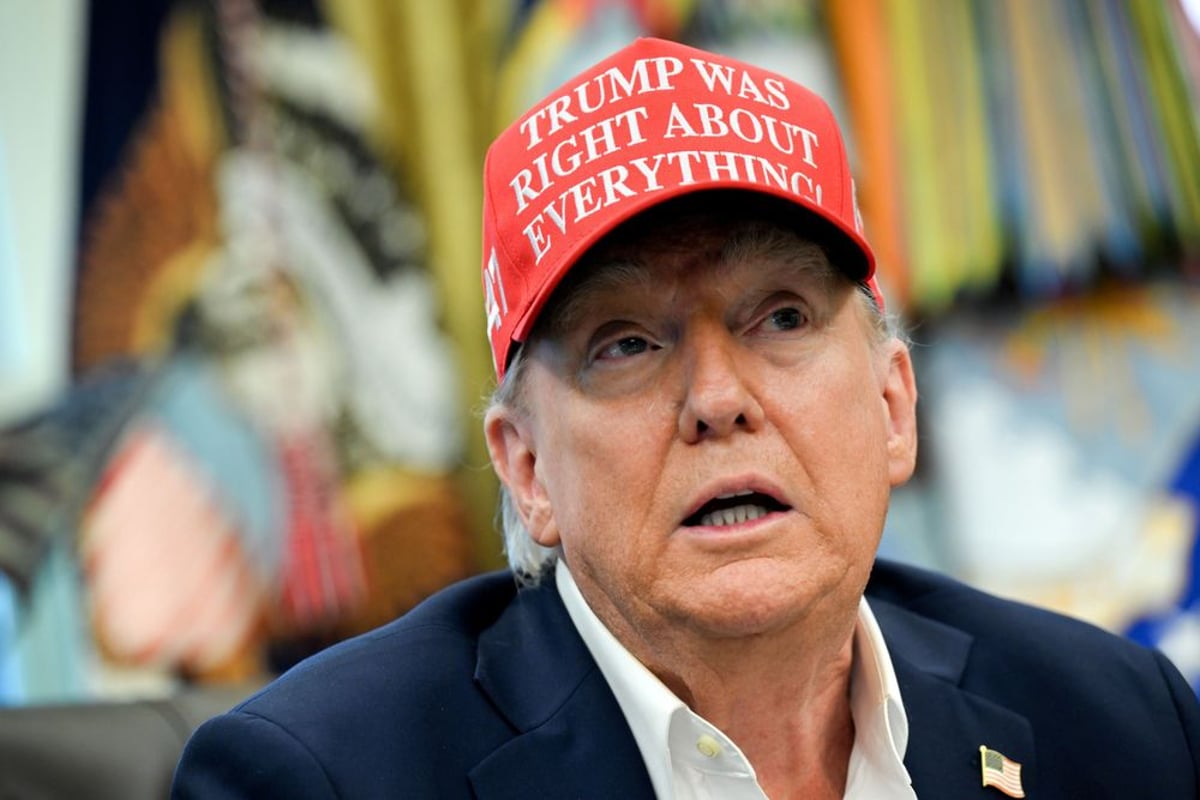
Intel just became America's first government-backed major chipmaker. President Donald Trump confirmed Friday that the struggling semiconductor giant agreed to hand over a 10 percent equity stake to the US government, valued at roughly $10 billion based on Intel's current market capitalization. The announcement, made during what was supposed to be a World Cup briefing, represents the most direct government intervention in the chip industry since the sector's founding.
The deal's genesis traces back to Trump's public pressure campaign against Intel CEO Lip-Bu Tan earlier this month. Trump had demanded Tan's resignation over his board positions at Chinese companies, viewing them as security risks. Today's equity agreement effectively serves as Tan's reprieve. "I said, 'I think it would be good having the United States as your partner,'" Trump told reporters, positioning the stake as both patriotic partnership and executive lifeline. "They've agreed to do it, and I think it's a great deal for them."
[embedded image: Trump and Intel CEO Lip-Bu Tan shaking hands]
The timing couldn't be more critical for Intel. The company has been hemorrhaging market share to Taiwan Semiconductor in advanced chip manufacturing while struggling with massive capital expenditure requirements. SoftBank just announced a $2 billion investment in Intel earlier this week, signaling international confidence in the American chipmaker's turnaround potential. The government stake essentially makes taxpayers Intel's largest individual shareholder outside of institutional investors.
Treasury Secretary Scott Bessent had telegraphed this move during a CNBC interview, describing it as "a conversion of grants" designed to "stabilize the company for chip production here in the US." This language suggests the government stake might convert existing CHIPS Act funding into equity rather than requiring fresh Intel share issuance. Intel has already received billions in federal manufacturing incentives, making the equity conversion a way to formalize Washington's investment rather than expand it.
[video iframe: Full Trump press conference announcing Intel deal]
The Intel deal signals a broader Trump administration strategy of direct government participation in critical technology companies. Sources familiar with the matter indicate similar arrangements are being negotiated with Nvidia and AMD, where the government would take 15 percent cuts of chip sales to China. This represents a fundamental shift from traditional arms-length government regulation to direct financial partnership.
Intel's stock has been particularly volatile amid the company's struggles with manufacturing delays and facility closures across Germany, Poland, and Costa Rica. The government backing could provide stability for Intel's massive domestic fab construction projects, which require sustained capital investment over multiple years. Industry analysts note that direct government ownership might also shield Intel from activist investor pressure that has plagued other semiconductor companies.
The precedent raises questions about how far Trump's deal-making approach will extend across the technology sector. During Friday's briefing, Trump indicated this won't be his last such arrangement, telling reporters "he'll do more of them" in the future. Meta, Google, and other major tech companies with significant government contracts could face similar partnership demands.
Intel declined to comment on the arrangement, likely awaiting the formal announcement Trump promised for later Friday. The company's silence suggests ongoing negotiations about implementation details, including board representation, dividend rights, and governance structures that would accompany the government's ownership position.
Trump's Intel equity deal fundamentally alters the relationship between Washington and Silicon Valley, transforming the government from regulator to direct investor. With similar arrangements reportedly in negotiation with Nvidia and AMD, this marks the beginning of a new era where tech companies must choose between Chinese market access and American government partnership. For Intel specifically, the deal provides crucial stability during its most challenging period, but at the cost of ceding significant control to political decision-making.