Adobe just brought its flagship video editing powerhouse to iPhone, marking a major shift in the mobile creative landscape. The free app launches today with AI-powered features that let creators hum melodies and transform them into sound effects, while also offering 4K HDR editing and auto-generated captions. This puts Adobe squarely against ByteDance's CapCut and Meta's upcoming Edits app in the battle for mobile video creators.
Adobe is making its biggest mobile play yet with today's iPhone launch of Premiere, the company's professional video editing app that's been a desktop staple for decades. The move signals Adobe's recognition that the next generation of creators isn't waiting around for desktop workstations.
The timing couldn't be more strategic. With TikTok's future uncertain and ByteDance's CapCut dominating mobile editing, Adobe sees an opening to capture creators who want more sophisticated tools than what's currently available. According to TechCrunch's original reporting, Adobe announced these mobile plans earlier this month, but the actual launch delivers more AI features than initially expected.
"We want to empower all types of creators to work. We know that the next generation of creators chooses and prefers to edit on mobile," Mike Folgner, a product director at Adobe, told TechCrunch in an interview. "That's a critical way that we meet them where they're at."
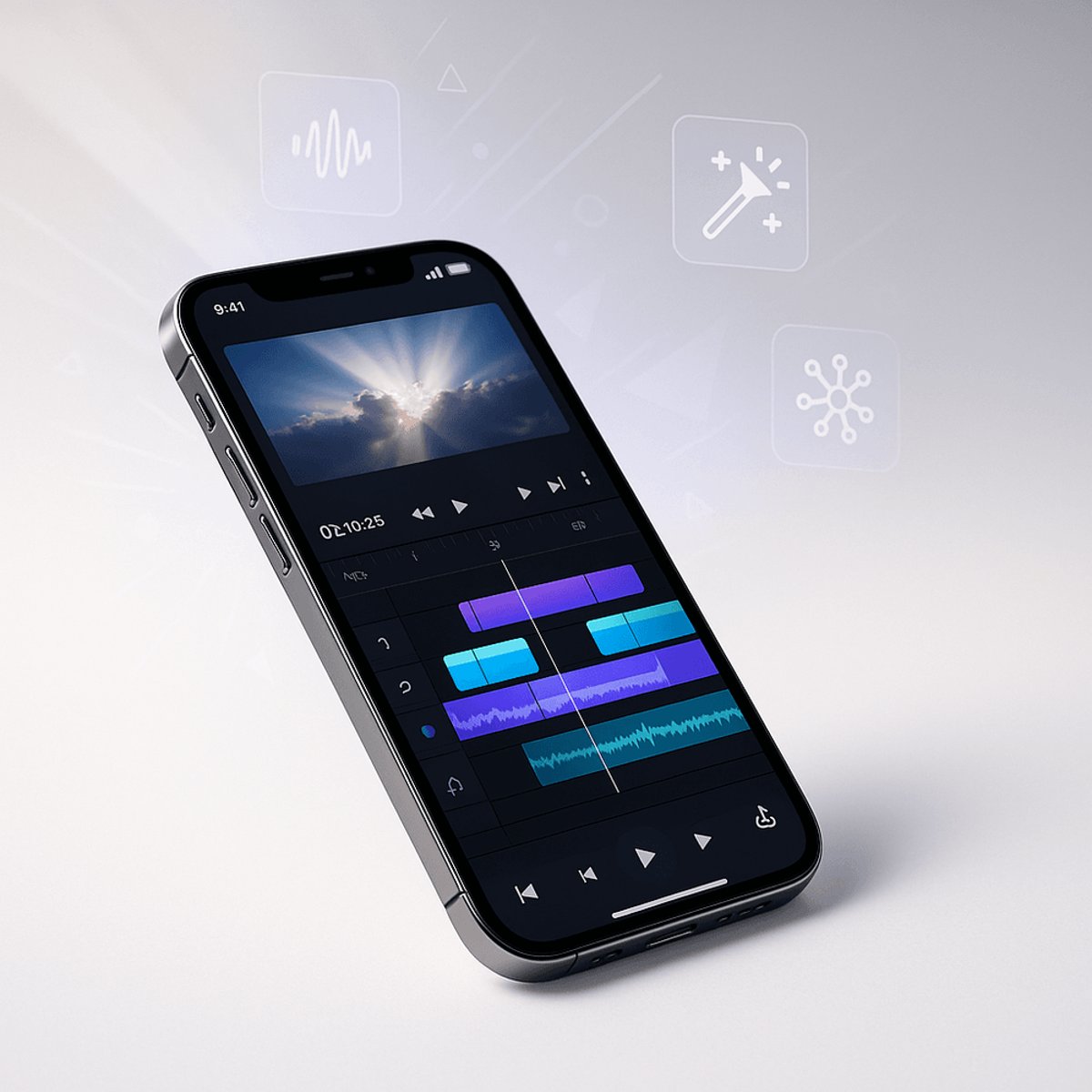
The iPhone app comes loaded with features that would've been unthinkable on mobile just a few years ago. Users get multi-track timeline editing with videos, sounds, music, and text layers, plus 4K HDR editing support that rivals desktop capabilities. The auto-generated captions feature taps into Adobe's machine learning models to transcribe speech in real-time.
But it's the AI-powered creative tools that really set Premiere apart from competitors. Using Adobe's Firefly generative AI models, creators can generate background sounds from text prompts or even hum a melody and watch AI transform it into a polished sound effect. The app also creates images and stickers on demand, plus turns static images into video transitions.
These AI features aren't free though - they'll require purchasing credits, following Adobe's broader strategy of monetizing its generative AI capabilities across its Creative Cloud suite. The core editing features remain free, but power users will likely find themselves paying for the AI enhancements that make mobile editing truly competitive with desktop workflows.
Adobe's throwing in access to its stock library of photos, clips, and sounds at no charge, which could be a significant differentiator. Most mobile editing apps either limit stock content or charge premium subscriptions for access to quality media libraries.
The workflow integration tells an interesting story about where mobile editing is headed. Projects can flow from iPhone to desktop Premiere via Adobe Cloud, but not the reverse - you can't start on desktop and continue on mobile yet. This suggests Adobe sees mobile as the starting point for many creators, not just a secondary tool.
This puts Adobe in direct competition with some heavy hitters. ByteDance's CapCut has dominated the mobile editing space, especially among TikTok creators. Meta recently announced Edits, its own video editing app designed to compete directly with CapCut. Meanwhile, a16z-backed Captions has been gaining traction with AI-powered editing features.
The competitive landscape gets more interesting when you consider Adobe's broader mobile strategy. Premiere joins Photoshop for iOS and Android, plus the recently launched Firefly mobile app for AI-powered image and video creation. Adobe's essentially rebuilding its entire Creative Cloud suite for mobile-first creators.
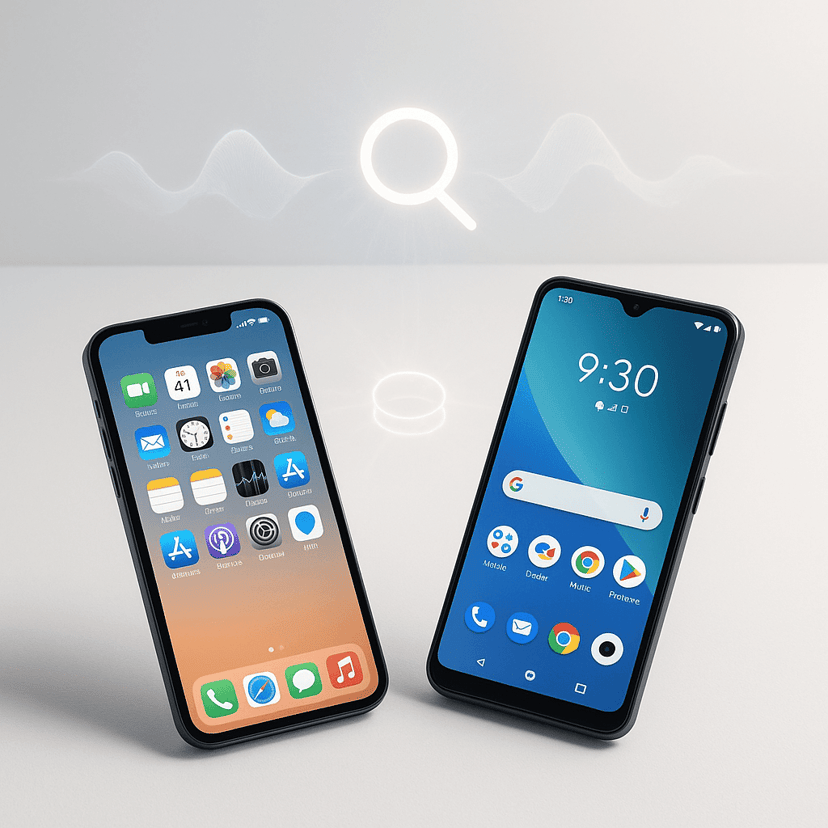
What's notably missing is an Android version, though Adobe says it's in development. Given Android's global market dominance, especially in emerging markets where mobile-first creation is most prevalent, this could limit Adobe's initial reach compared to cross-platform competitors like CapCut.
Adobe's Premiere iPhone launch represents more than just another mobile app - it's a fundamental shift toward mobile-first creative workflows. With AI features that let creators hum their way to custom soundtracks and professional-grade 4K editing capabilities, Adobe is betting that the future of video creation starts in your pocket. The real test will be whether creators are willing to pay for AI credits when free alternatives like CapCut dominate the market. But with TikTok's uncertain future and Meta still developing its Edits competitor, Adobe's timing might be perfect to capture the next wave of mobile video creators.