Google just rolled out a major video editing overhaul for Google Photos that transforms how users create highlight reels. The update introduces five new features including ready-made templates, custom text overlays, and a redesigned editor interface that's now the default for all video editing on Android. With these tools, Google is positioning Photos as a serious competitor to standalone video editing apps by making professional-looking videos accessible to everyday users.
Google just made video creation significantly easier for its billion-plus Photos users. The company's latest update introduces five major video editing features that transform the app from a simple photo storage service into a legitimate video creation platform.
The centerpiece is a new template system rolling out on Android that gives users pre-built formats with synchronized music, text, and cuts. "Just pick a template, select the photos and videos you want included and sit back while Photos automatically creates a shareable video that matches the beat," explains Nick Staubach, Group Product Manager for Google Photos. This directly targets the TikTok and Instagram generation who want professional-looking content without the learning curve.
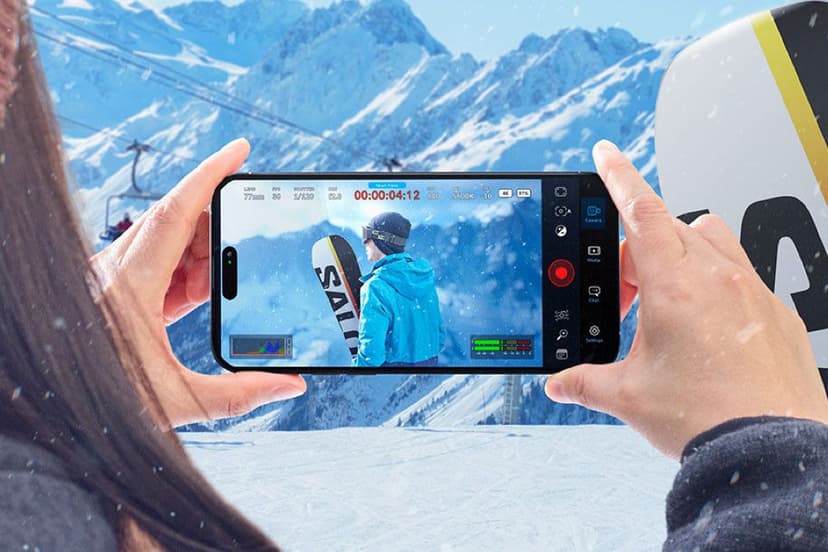
Behind the scenes, Google has completely redesigned the video editor interface for both Android and iOS. The new editor features a universal timeline supporting multi-clip editing and an adaptive canvas that makes complex edits more intuitive. "Everything you need is right where you expect it to be, so you can spend less time figuring out how to edit and more time creating," Staubach notes in the official announcement.
The music integration represents a significant upgrade. Users can now browse Google Photos' music library and add soundtracks that automatically sync with their content. This addresses one of the biggest pain points in mobile video editing - finding royalty-free music that actually enhances the viewing experience.
Custom text overlays add another professional touch, with new fonts, colors, and background options available on Android. The feature lets users add context or creative elements that make videos more engaging and shareable across social platforms.
Perhaps most importantly for everyday users, the redesigned editor is now the default for all video editing tasks on Android, including quick edits to individual clips. This means even basic video trimming now benefits from the enhanced interface and new features like music and text addition.
The timing is strategic. As TikTok faces regulatory uncertainty and Instagram pushes Reels harder, Google is positioning Photos as the go-to creation tool for content creators who want to stay within the Google ecosystem. The automatic syncing to beats and professional templates could be particularly appealing to creators who currently rely on apps like CapCut or InShot.
This update also signals Google's broader push into creative tools. The company has been steadily adding AI-powered features to Photos, from Magic Eraser to Best Take, and these video editing capabilities represent another step toward making Photos a comprehensive media creation platform rather than just storage.
For Google's hardware ecosystem, these features could drive more users toward Pixel devices, which often get first access to experimental Google Photos features. The seamless integration between Google Photos, YouTube, and other Google services creates a compelling workflow for content creators.
The rollout is happening now across Android and iOS, with some features like templates currently Android-only but expanding to iOS soon. Google promises more templates are coming, suggesting this is just the beginning of a more aggressive push into the competitive video editing space.
Google's video editing push represents a significant escalation in the battle for creative tools dominance. By making professional-grade features accessible within Photos - an app already on billions of devices - Google is betting it can capture creators who don't want to learn complex editing software. The real test will be whether these features can compete with dedicated apps that creators already love, but the seamless integration with Google's ecosystem gives it a compelling advantage for users already invested in Gmail, YouTube, and Android.