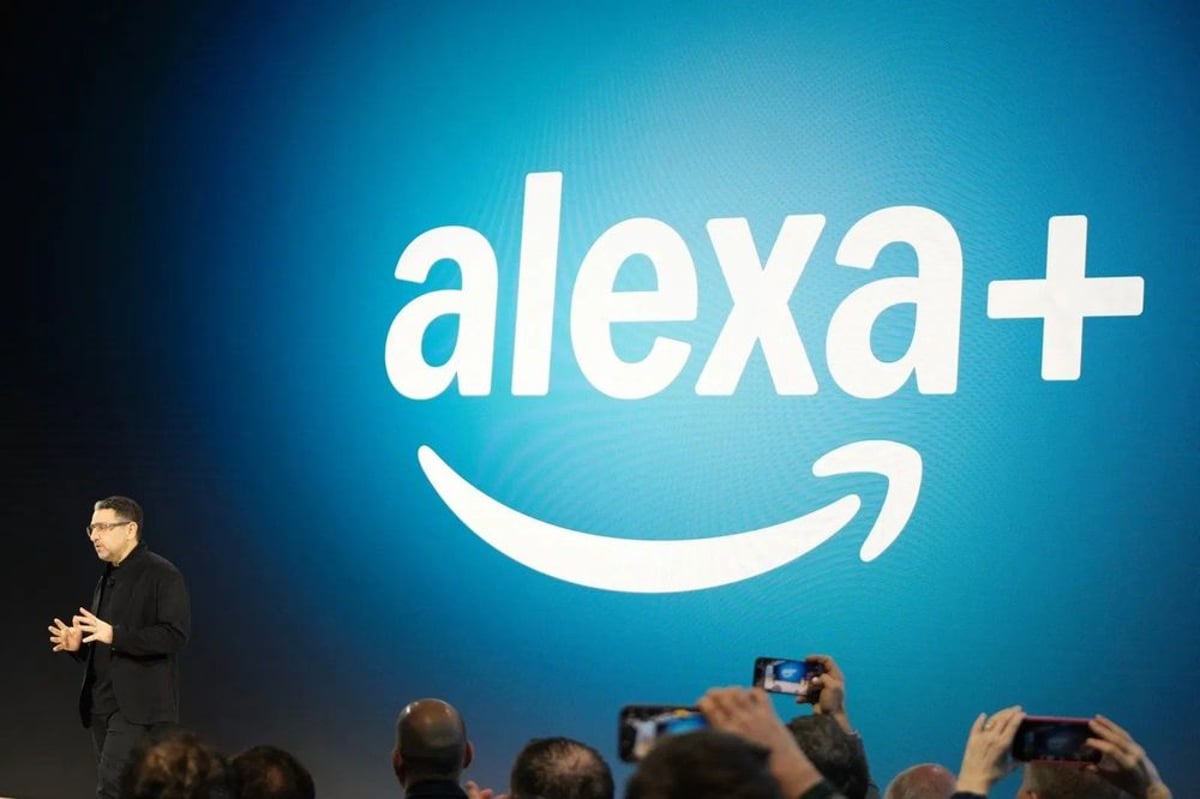
Amazon just turned Alexa into an autonomous shopping agent. The company's Alexa Plus assistant can now automatically buy products when they hit your target price, transforming voice assistants from simple helpers into proactive purchasing machines. This isn't just price tracking - it's AI making real financial decisions for consumers.
Amazon just crossed a new line in AI-powered commerce. The company's upgraded Alexa Plus can now make purchases without human intervention, automatically buying items the moment they hit your predetermined price point. It's a remarkable shift from passive assistant to active shopping agent that could fundamentally change how we think about AI in our homes.
The feature works exactly as you'd expect and fear - users can tell Alexa Plus to monitor specific products and automatically purchase them when prices drop. Want that Dyson Supersonic hair dryer but only at $300? Just set it and forget it. Alexa will handle the rest using your default Amazon payment method and shipping address. No confirmation required.
This auto-purchasing capability launched for Amazon's Rufus AI chatbot just last month, but bringing it to voice feels like a bigger leap. There's something unsettling about an AI assistant in your kitchen making financial decisions while you sleep. Amazon clearly sees this as the future of frictionless commerce.
The timing isn't coincidental. These price-tracking features were first announced in February and began rolling out to Alexa Plus subscribers in June. But the full deployment comes as Amazon faces intensifying competition from Google's shopping integration and Meta's push into social commerce.
The new Shopping Essentials hub launching this week on Echo Show 15 and 21 devices feels like Amazon's answer to visual commerce. Users can say "Alexa, where's my stuff?" to access a command center showing recent orders, real-time delivery tracking, shopping lists, and personalized replenishment suggestions. It's essentially turning smart displays into shopping terminals.
What's particularly clever is Alexa Plus's ability to suggest last-minute additions to shipments "right up until it leaves the warehouse." This addresses a real pain point in online shopping where you remember something you need just after placing an order. The AI can now solve that problem proactively.
The gift suggestion feature adds another layer of sophistication. Alexa Plus asks intelligent questions to narrow down searches and provides personalized recommendations based on recipient details and occasions. It's moving beyond simple product lookup toward genuine shopping consultation.
But there are obvious concerns. Auto-purchasing could lead to unwanted purchases, especially in households with multiple users. Amazon acknowledges this could "ruin the gift-giving season" for families sharing devices. The company hasn't detailed safeguards beyond using default payment methods.
From a competitive standpoint, this positions Amazon uniquely. While Google Assistant and Apple's Siri focus on information and basic tasks, Alexa Plus is becoming a full-scale commerce platform. It's not just helping you shop - it's shopping for you.
The broader implications are significant. If consumers embrace autonomous purchasing, it could accelerate the shift toward subscription-style commerce where AI manages routine purchases. Amazon already dominates online retail; giving its AI direct purchasing power could further entrench that advantage.
Amazon's move into autonomous purchasing represents more than a feature update - it's a fundamental shift toward AI agents that make real-world decisions with financial consequences. While the convenience is undeniable, the implications for consumer behavior and market competition are just beginning to unfold. As AI assistants gain more autonomy over our purchasing decisions, the question isn't whether this technology will reshape commerce, but how quickly consumers will embrace - or resist - letting algorithms control their wallets.