Apple just made a striking admission: it can't win the AI race alone. The company announced this week it's tapping Google's Gemini models to power an upgraded Siri, abandoning its long-held philosophy of owning and controlling core technologies. It's a pragmatic move that keeps iPhones flying off shelves—pre-orders for the iPhone 17 are outpacing last year's numbers—but also marks a philosophical retreat on what it means to build products in the AI era.
The deal is quietly massive in what it says about the state of AI competition. Apple built Apple Intelligence as its answer to the AI arms race, marketing the iPhone 16 as 'Built for Apple Intelligence.' Except it wasn't. The features arrived months late, in dribs and drabs. The smarter Siri everyone expected? That never showed up. Apple execs retreated to the drawing board. People got shuffled around. The whole thing looked like a stumble. By last fall, executives were quietly shopping for outside partners instead of betting on their own models.
But here's the plot twist: nobody actually switched to Android.
Despite the AI fumble, Apple kept doing what it does best—selling iPhones. According to IDC's Q3 2025 report, demand for the iPhone 17 lineup was robust, with pre-orders surpassing the previous generation. Counterpoint Research names Apple the global smartphone market leader in 2025 with 10 percent year-over-year growth in market share. The company barely mentions AI anymore—scroll halfway down the iPhone 17 product page before you even see Apple Intelligence mentioned.
The stalling tactic worked. But investors were starting to itch. Every tech earnings call has become a recitation of AI metrics, and Wall Street notices when you stop talking about it. So Apple needed a move, something that looked forward while buying time.
Enter Google and Gemini.
What Apple announced this week isn't a small thing, and it's not what people initially thought it might be. The company isn't just letting users tap into Gemini directly through the Gemini app—you can already do that. This is different. Apple is rebuilding Siri on Gemini's models, running it all through Apple's Private Cloud Compute infrastructure. If a smarter Siri finally arrives this year, it'll be running on serious Gemini DNA.
There's a philosophical earthquake buried in this announcement. Look back to Tim Cook's own words from a 2009 earnings call: 'We believe that we need to own and control the primary technologies behind the products we make.' That principle drove Apple's vertical integration, its push to design its own silicon, its entire strategy of controlling the stack. The silicon bet paid off spectacularly. But AI? Apple is essentially saying that AI models aren't a primary technology—they're more like plumbing, underlying infrastructure that someone else can build and Apple will integrate.
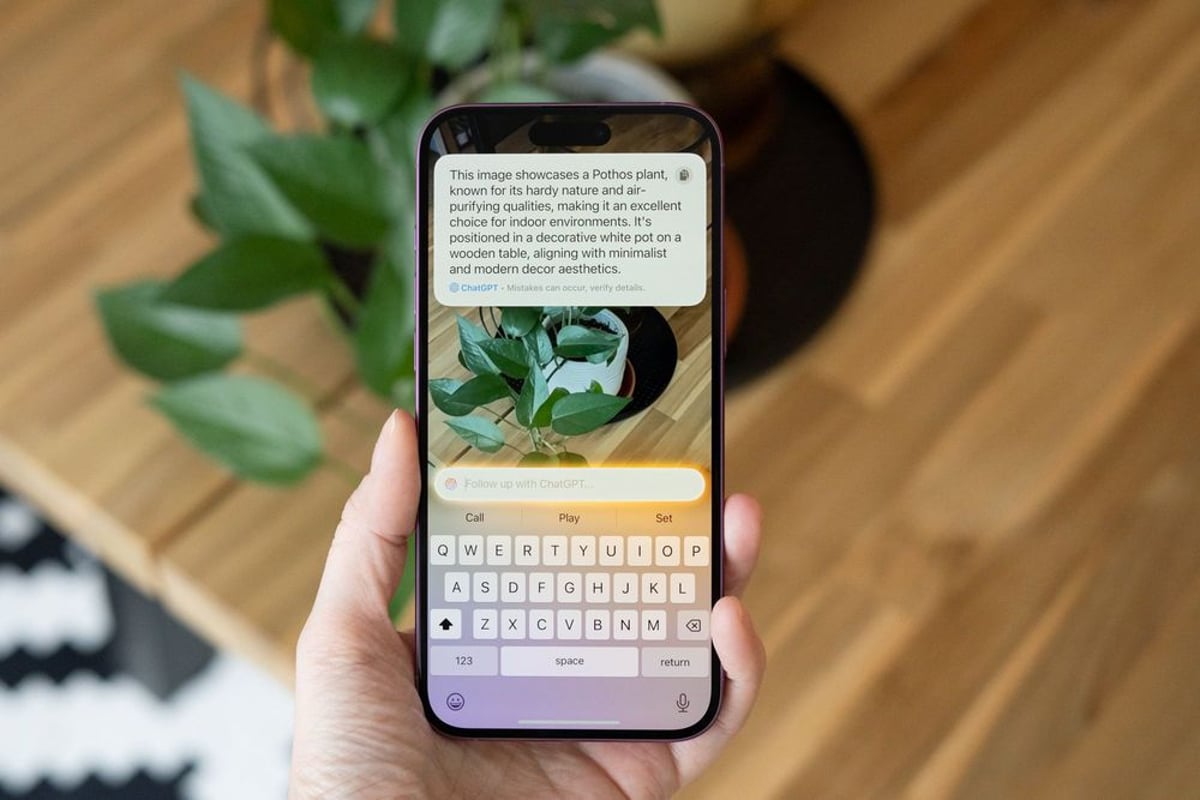
Maybe that's the right call. Apple already lets users access ChatGPT directly in iOS and promised from the beginning that it would layer in more third-party language models. It doesn't control search engines or wireless networks or social algorithms running on iPhones either. Those are all services on top of Apple's platform, not core to iPhone identity.
But the risk cuts the other way too. If AI becomes the next major platform shift—if it fundamentally changes how phones work and what they can do—then outsourcing that capability might look like a serious miscalculation. Apple could end up dependent on Google for core functionality at exactly the moment it matters most.
There's also the speed question. Apple is betting it can build a compelling product around Gemini faster than it could build one around its own models. It's betting that integration and execution matter more than raw AI prowess. There's evidence for this—Apple's M-series chips launched years after Intel and AMD's best chips, but the execution was so clean that it barely mattered. But there's also a clock running. Google is moving fast. Jony Ive is out there building hardware with AI integrated from the ground up. Other competitors are sharpening their knives.
The real challenge ahead—and this is where the deal's real weight sits—is whether Apple can actually turn this into a product people want. Not a feature investors demanded. Not a checkbox on a spec sheet. An actual product that makes Siri useful. The original Siri promise was revolutionary: a personal assistant that understood you and got things done. Seventeen years later, Siri is still mostly a timer-setting machine. Apple Intelligence didn't fix that. Gemini might, if Apple executes properly. But that's a massive 'if.'
Apple's pivot to Gemini represents a pragmatic retreat from its founding principles about owning core technologies, but it might be the right move if execution is flawless. The company has proven it can build beautiful products around other people's infrastructure—it's never owned search, payments, or social. The question now is whether it can do the same with AI, moving fast enough to stay relevant while competitors like Google and newcomers like Jony Ive's team move to make AI central to their offerings. Apple's hardware strength is still formidable, but the deal signals that the company is placing a massive bet on execution over innovation. If Siri finally becomes the intelligent assistant it promised to be, this gamble pays off huge. If it doesn't, Apple risks ceding the next decade to competitors who control their own AI destiny.