Canada just made its boldest move yet in the global AI race. At this week's All In Canada AI Ecosystem event in Montreal, NVIDIA executives joined government ministers to unveil the country's first fully sovereign AI factory while outlining a national strategy that puts digital independence at the center of Canada's tech future. The timing couldn't be more critical as nations worldwide scramble to build their own AI capabilities.
Canada just threw down the gauntlet in the global AI sovereignty race. At Montreal's All In Canada AI Ecosystem event this week, the country unveiled its most ambitious AI infrastructure project yet - and NVIDIA was right there to back the play.
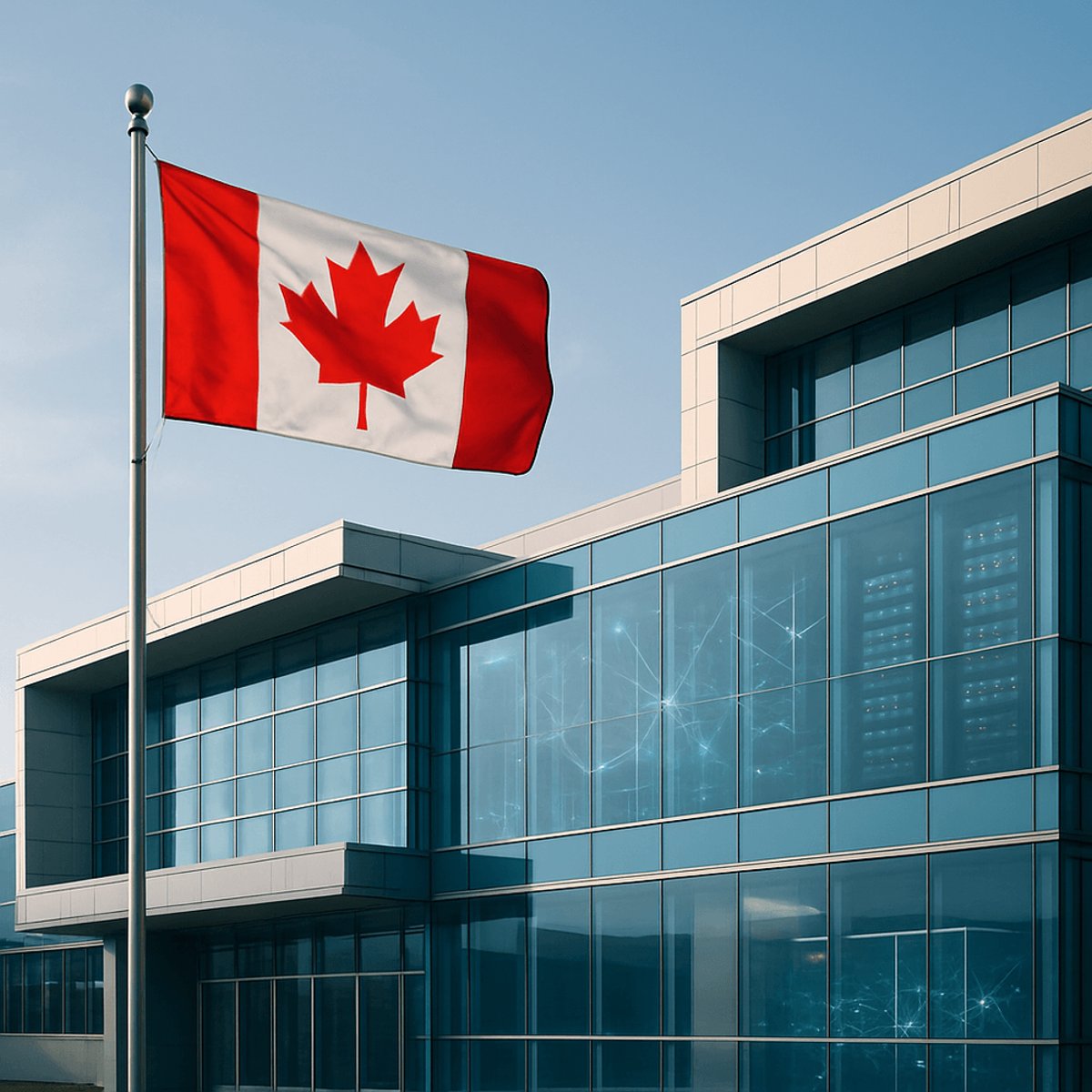
The centerpiece announcement came from TELUS, which launched Canada's first fully sovereign AI factory in Rimouski, Quebec. Powered by NVIDIA's latest accelerated computing platform and built in partnership with HPE, the facility promises something most countries are still dreaming about: complete control over their AI destiny.
"Every nation should develop its own AI - not just outsource it," NVIDIA Vice President of Generative AI Software Kari Briski told the packed room of founders, researchers, and government officials. "AI must reflect local values, understand cultural context, and align with national norms and policies. Digital intelligence isn't something you can simply outsource."
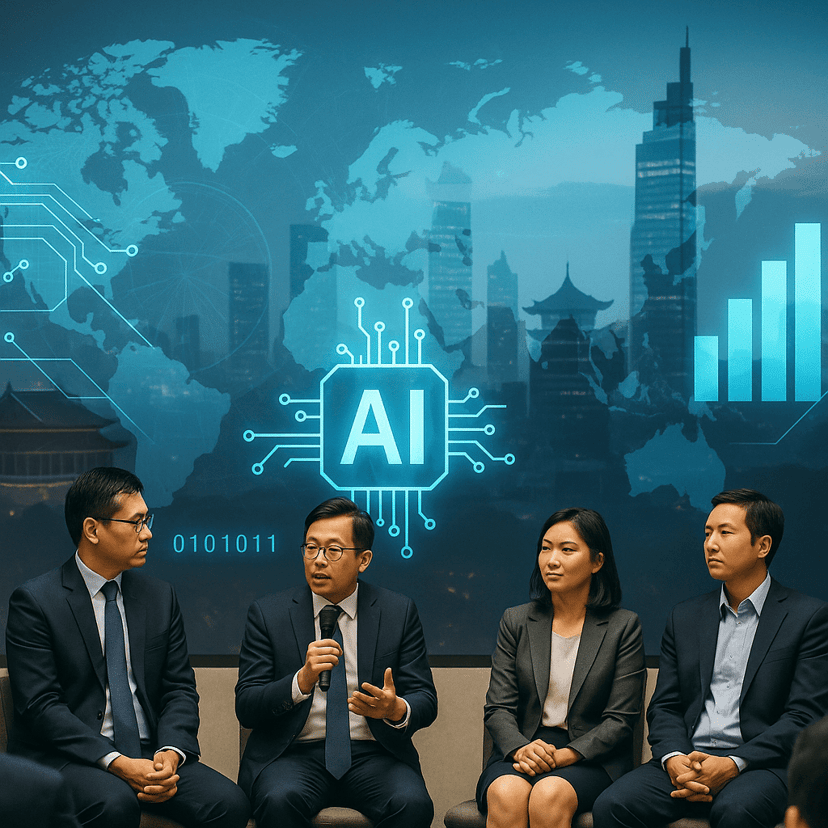
The event brought together Canada's Minister of Artificial Intelligence and Digital Innovation Evan Solomon, Cohere cofounder Aiden Gomez, and Briski in what felt more like a war council than a tech conference. Solomon didn't mince words about the stakes: "For our government, for our country, 'All In' means building digital sovereignty - the most pressing policy, democratic issue of our time."
The timing is no accident. TELUS's new facility is already serving clients including OpenText, offering end-to-end AI capabilities from model training to inference while keeping all data firmly within Canadian borders. The factory runs on 99% renewable energy through TELUS's PureFibre network - a detail that matters as AI's energy demands come under global scrutiny.
But this isn't just about one facility. RBC Capital Markets has been quietly building enterprise-grade AI agents for capital markets research using NVIDIA software. These agents, designed with NVIDIA Nemotron open models and deployed through NVIDIA NIM microservices, are already transforming how Canadian financial analysts work.
Accenture plans to develop industry-specific solutions on the TELUS sovereign AI platform, potentially accelerating AI adoption across Canadian enterprises. It's the kind of ecosystem play that could give Canada a real edge in the global AI competition.
"Canada must own the tools and the rules that matter at this critical moment," Solomon declared. "We need our digital insurance policy - and that's what we're building." The language was deliberate: this isn't just about economic competitiveness anymore, it's about national security.
This Canadian push comes as NVIDIA CEO Jensen Huang has been making similar appearances across Europe and Asia, joining heads of state in France, Germany, India, Japan, and the UK to announce national AI strategies. Last year, Huang called Canada the "epicenter of innovation in modern AI," building on foundational work by Canadian researchers like Geoffrey Hinton and Yoshua Bengio.
The competitive pressure is real. "Leadership is not a birthright. It has to be earned again and again - and the competition is fierce," Solomon warned the audience. With the US and China dominating AI headlines, middle powers like Canada are betting that sovereignty - not just scale - will determine who wins the next phase of the AI revolution.
What makes Canada's approach interesting is the emphasis on values-aligned AI. Briski's comment about AI needing to "speak and write in the nuanced patterns of your natural language" hints at something deeper than just keeping data local. It's about ensuring AI systems understand cultural context in ways that foreign-trained models might miss.
The proof will be in execution. TELUS's sovereign AI factory represents a significant infrastructure bet, but the real test comes when Canadian companies start deploying these capabilities at scale. Early signs look promising - the facility is already operational and serving enterprise clients.
Canada's AI momentum extends beyond this single event. The country has been methodically building its AI ecosystem through targeted investments in research, infrastructure, and talent retention. This latest move suggests Canada isn't content to be a junior partner in the global AI race - it wants to set its own terms.
Canada's sovereign AI strategy represents more than just national pride - it's a calculated bet that the next phase of AI competition will be won by countries that can combine technological capability with cultural understanding. With NVIDIA's backing and real infrastructure coming online, Canada is positioning itself as a middle power that refuses to pick sides in the US-China AI race. The question now is whether other nations will follow suit, potentially fragmenting the global AI ecosystem into sovereign digital territories.