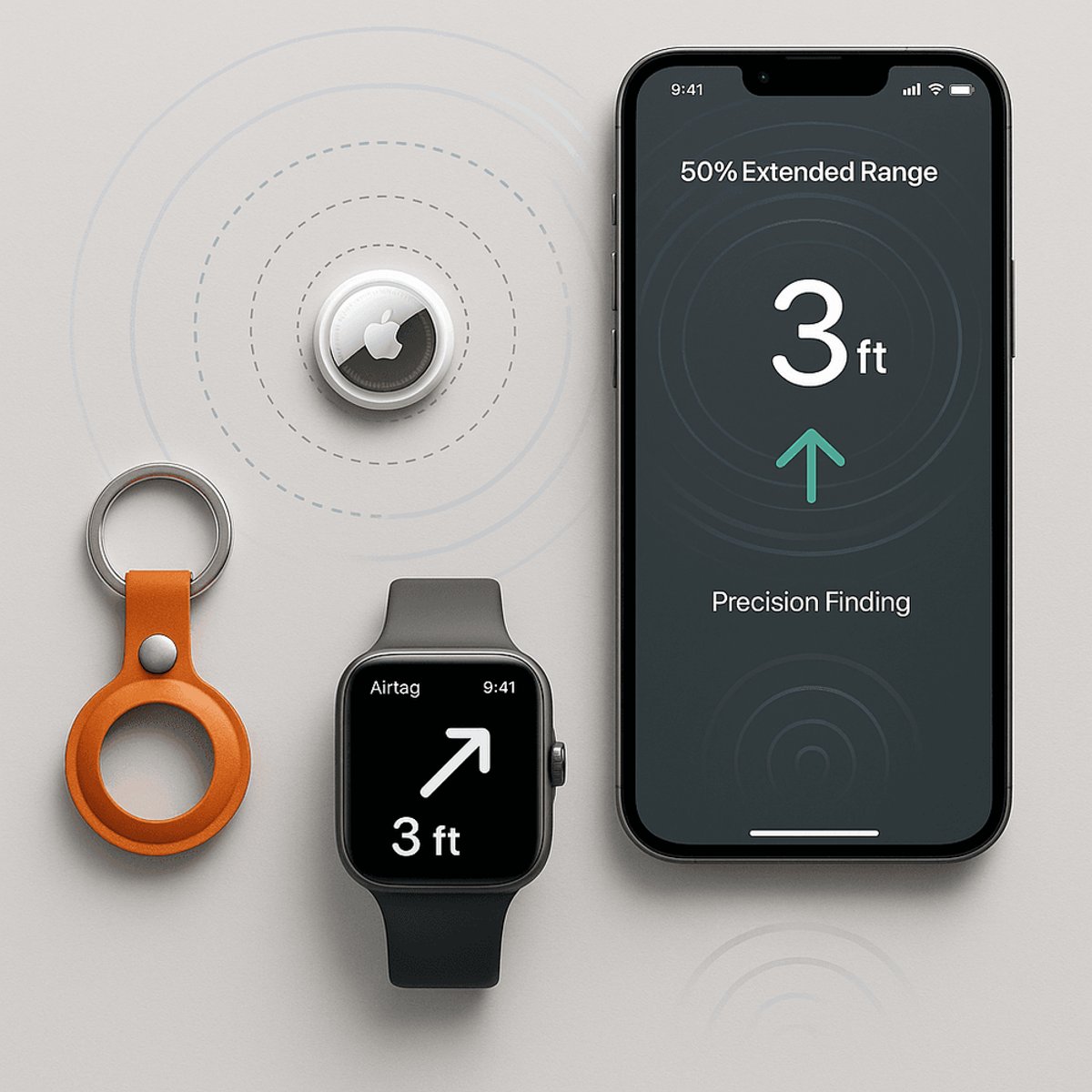
Apple just rolled out the second-generation AirTag, bringing the same Ultra Wideband chip found in the iPhone 17 lineup to its item tracker. The upgrade delivers 50% longer Precision Finding range and, for the first time, lets Apple Watch users track items directly from their wrist. Despite the hardware improvements, Apple's holding the line on pricing at $29 for a single unit and $99 for a four-pack - the same price point it launched with back in 2021.
Apple is betting that better range and wrist-based tracking will keep its item tracker competitive in a crowded field. The company unveiled the second-generation AirTag today, packing the same Ultra Wideband chip that powers the iPhone 17 lineup, iPhone Air, and Apple Watch Ultra 3 into the familiar coin-sized tracker.
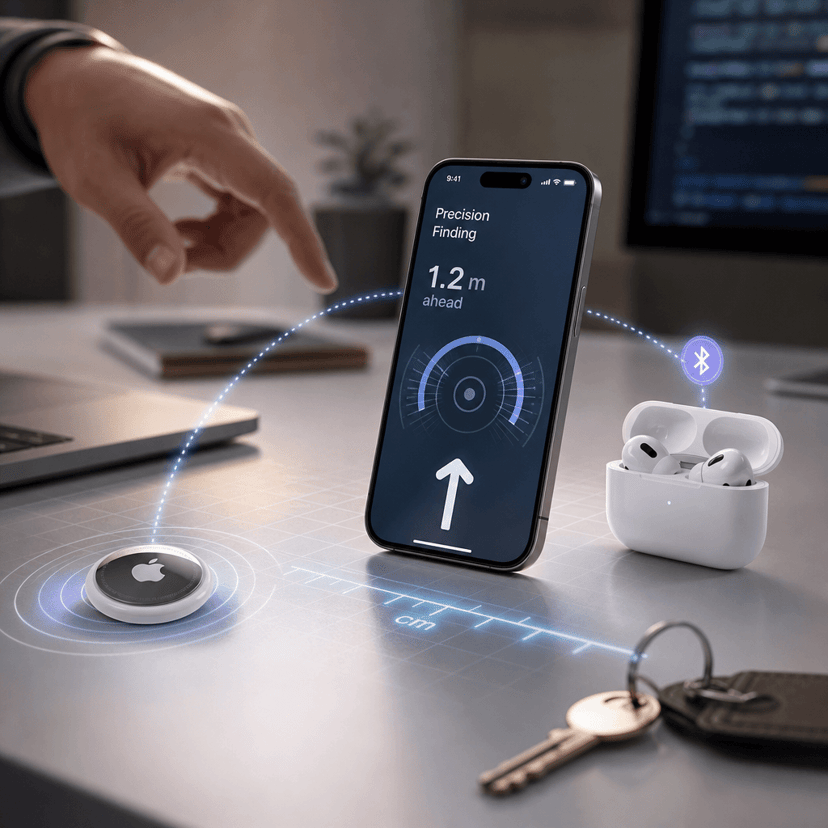
The headline improvement: Precision Finding now works from up to 50% farther away than the original AirTag, according to Apple's official announcement. That means users can start getting haptic, visual, and audio feedback to guide them to lost items from significantly greater distances - a practical upgrade for anyone who's ever searched a parking garage or office building.
But the real shift is bringing Precision Finding to Apple Watch. Users with Apple Watch Series 9 or later, or Apple Watch Ultra 2 or later, can now track down their AirTag without pulling out their iPhone. It's a natural extension of Apple's ecosystem play, making the Find My experience more seamless across devices.
Apple's also upgraded the Bluetooth chip to extend the range at which items can be initially located, though the company didn't specify exact distances. Combined with a louder speaker, the new AirTag addresses two of the most common complaints about the original: not being able to hear it in noisy environments and losing connection too quickly in large spaces.
Since launching AirTag in 2021, Apple's accumulated a library of reunion stories - from musicians finding lost instruments hours before performances to travelers tracking down luggage containing lifesaving medication. The Find My network, powered by hundreds of millions of Apple devices anonymously relaying location data, has become one of the product's biggest advantages over competitors.
The price remains unchanged despite the hardware improvements. A single AirTag still costs $29, while a four-pack runs $99. Free personalized engraving is available through apple.com and the Apple Store app, where orders opened today. Physical Apple Store locations will stock the new AirTag later this week, with Apple Authorized Resellers following.
Apple's also refreshing its FineWoven Key Ring accessory line in five colors - fox orange, midnight purple, navy, moss, and black - for $35. The accessories are sold separately, continuing Apple's strategy of monetizing the AirTag ecosystem beyond the tracker itself.
The technical requirements reveal Apple's aggressive push to keep users upgrading. The new AirTag needs iOS 26 or later, or iPadOS 26 or later. Precision Finding on Apple Watch requires watchOS 26.2.1. Those are current-generation operating systems, meaning anyone on older devices won't be able to take advantage of the extended range features even if they buy the new hardware.
Apple continues emphasizing that AirTag is "designed exclusively for tracking objects" with "industry-leading protections against unwanted tracking." That messaging comes after years of reports about AirTags being misused for stalking, prompting Apple to add features like alerting Android users to unknown AirTags traveling with them and making the trackers emit sounds more quickly.
The product update lands as the item tracker category matures. Samsung has its SmartTag line, Tile pioneered the space years before Apple entered, and various other players compete on price and features. Apple's advantage remains its massive installed base and the passive Find My network that doesn't require dedicated hardware beyond devices people already own.
What's notable is what didn't change: battery life, water resistance, and the overall design remain identical to the first generation. Apple's clearly focused on refining the core finding experience rather than reimagining what an item tracker should be. The Ultra Wideband chip upgrade was inevitable given that Apple's already using second-gen UWB across its phone and watch lines - maintaining component consistency across products.
For existing AirTag owners, there's no compelling reason to upgrade unless the extended range solves a specific problem. But for first-time buyers or those looking to expand their tracking network, the new AirTag delivers meaningful improvements at the same price point. Apple's betting that's enough to maintain its position as more competitors crowd into the space.
Apple's second-generation AirTag is an iterative but meaningful upgrade that addresses real-world finding challenges without changing the formula that made the original successful. The 50% range extension and Apple Watch integration make the Find My experience more practical across Apple's ecosystem, while maintaining the $29 entry price keeps it competitive against cheaper alternatives. For Apple, it's about maintaining momentum in a category where the real value isn't the hardware but the massive Find My network effect that only gets stronger as more devices join. The question is whether these improvements are enough to pull in users who've held off or prompt ecosystem switchers when competitors are pushing their own tracking networks.