Pet cameras have been around for years, but FrontierX just upped the game. The startup unveiled Vex at CES this week, a small spherical robot that doesn't just watch your pet from a fixed angle - it actually follows your cat or dog around the house, films from their perspective, and uses AI to stitch the footage into edited video highlights. The move signals a broader shift toward autonomous, AI-powered consumer robots that do more than just observe.
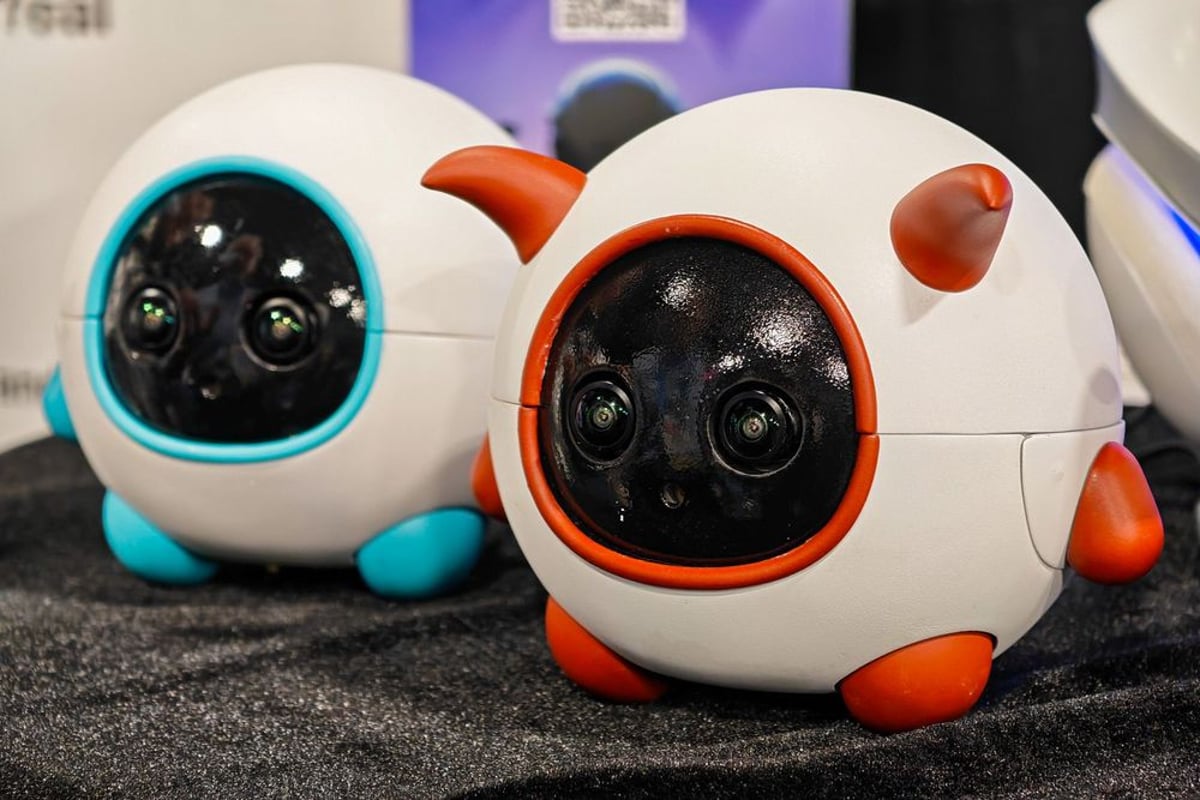
For years, the pet tech market has been stuck on one idea: stationary cameras that let you check in on your furry friend while you're at work. Now FrontierX is trying to flip the script entirely with Vex, a small robot companion that does the filming for you. Unveiled at CES this week, Vex is a hand-sized sphere with stubby limbs and cute accessories in various colors. But the real trick is what happens once you let it loose in your home.
Vex can autonomously follow your cat or dog around the house, tracking them using visual recognition technology. It films as it goes, capturing footage from a low angle that's closer to your pet's actual perspective than traditional ceiling-mounted cameras ever could. Then comes the AI magic: the robot uses artificial intelligence to stitch together daily footage into what FrontierX calls "moving narratives and shareable stories." The idea is that instead of you scrolling through hours of video, you get digestible highlights of your pet's day.
The concept isn't entirely new, of course. Pet cameras like Furbo and others have let owners spy on their pets remotely for years, and various robotics companies have explored autonomous pet toys. But combining autonomous following with AI-powered video synthesis? That's a genuinely different approach to the problem. The real test will be whether the AI editing actually produces something worth watching. FrontierX hasn't released any example footage yet, which is conspicuous by its absence.
FrontierX isn't stopping at Vex. The company also revealed Aura, a larger spherical robot with a circular screen embedded in its face. Where Vex is designed for pets, Aura is positioned as a human companion. It can follow you around your home, read your facial expressions and body language to gauge your mood, and carry on conversations thanks to large language model integration. The bot represents the growing trend of consumer robotics that aim to be interactive rather than purely functional.
Here's the thing though: FrontierX is barely a startup yet. The company doesn't even have a proper website online - just a barebones Instagram page. Despite that, they're projecting confidence about timelines. FrontierX says both Vex and Aura will be ready for preorders within the next six months. They're not discussing pricing yet, which makes sense given they're still in development. This is the classic CES playbook: announce big, show ambition, leave details for later.
The timing matters. Robotics has become a major focus at CES, with companies from Tesla to Samsung pushing autonomous machines into consumer homes. The difference is most robotics startups are still chasing the humanoid dream or the vacuum cleaner upgrade. FrontierX is narrowing its focus to something much more specific: robots that interact with your pet or keep you company. It's a narrower market, sure, but also one where the competition is still relatively sparse.
What makes this interesting is the AI layer. It's not enough anymore to just build a robot that moves autonomously. The real value is in what it does with the data it collects. Vex filming your pet is one thing. Vex understanding which moments matter and editing them into a coherent narrative is another. That's where the AI becomes the product, not just a feature.
Of course, there are practical questions still hanging. How long does Vex run on a charge? How well does visual recognition actually work with different colored pets or in different lighting? What about safety - is a small robot zipping around your house around kids and pets actually a good idea? These are the details that will determine whether Vex becomes a fun novelty or an actual product people want in their homes.
FrontierX's Vex and Aura robots represent something we're seeing more of at CES and across consumer tech: autonomous machines that move beyond passive monitoring into active interaction and decision-making. Whether it's editing your pet's highlights or reading your mood, these robots are trying to make AI do the interpretation work that humans used to handle manually. The real question isn't whether the concept is clever - it is. The question is whether FrontierX can actually execute on the promise when these robots hit the market in the coming months. Early preorder numbers will tell us if pet owners are actually ready to bring autonomous robots into their homes, or if this stays a novelty tech that looks better on a CES demo floor than in real living rooms.