Narwal just turned the robot vacuum into a household AI assistant. The Chinese robotics company unveiled its new Flow 2 flagship at CES 2026, equipped with dual cameras and on-device AI that can monitor pets, spot lost jewelry, and actually keep quiet when a baby's sleeping. This is what happens when computer vision meets the messy reality of home cleaning.
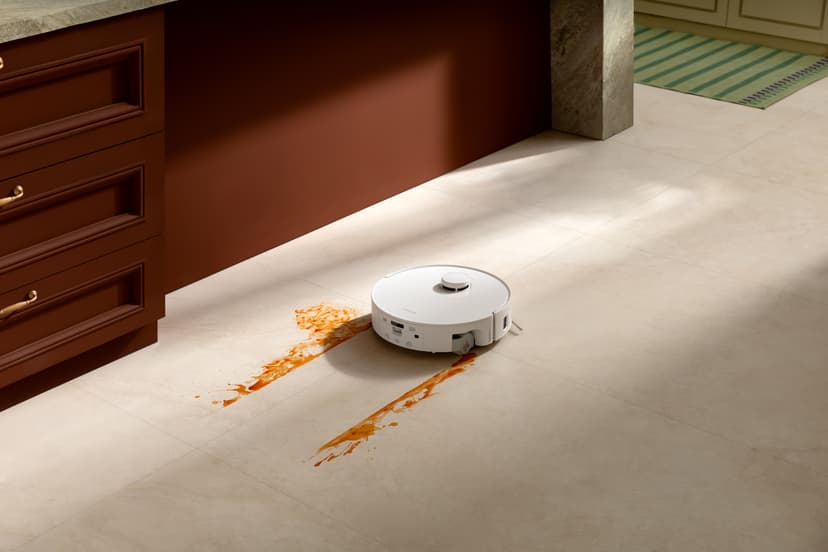
The smart home category just got a lot more interesting. Narwal, one of the leading robot vacuum makers, walked into CES 2026 and announced something beyond the usual specs bump. The company's new Flow 2 isn't just another cleaning machine - it's a mobile AI platform that happens to clean your floors.
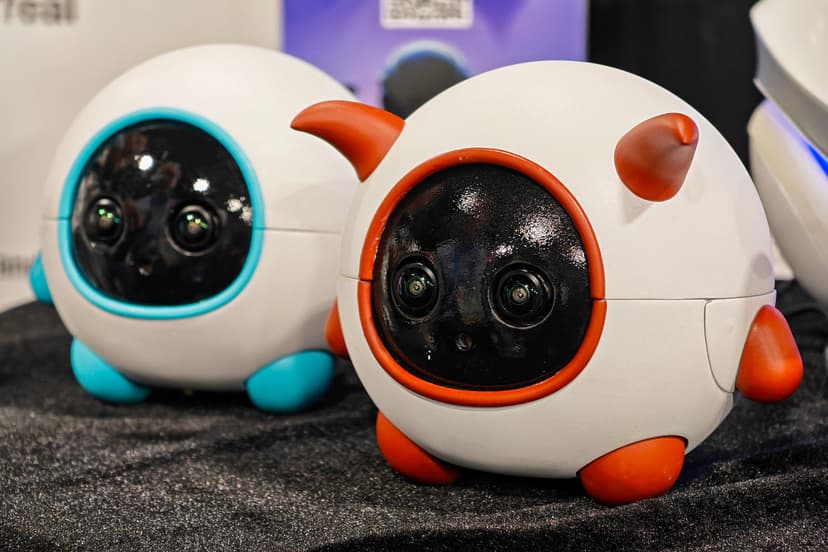
What makes this different is the actual execution. Instead of bolting cameras onto a vacuum as an afterthought, Narwal designed the Flow 2 with AI at its core. The vacuum packs two 1080p RGB cameras with a 136-degree field of view, which feed into AI models that can recognize objects without needing to ask the cloud every time it sees something. The local processing handles common items, but for anything the vacuum doesn't recognize, it uploads to the cloud for identification. It's a smart trade-off between privacy and capability.
The practical features are where this gets interesting for actual households. Pet care mode lets you define zones where your pets hang out, and the vacuum automatically prioritizes cleaning those areas. But here's the kicker - the vacuum also monitors your pets and can check in via two-way audio. Narwal didn't come out and say whether pets will actually listen to you through a vacuum speaker, but the option's there.
Then there's baby care mode, which is built for parents who need one less thing to worry about. The Flow 2 switches to quiet operation when it detects it's near a baby's crib and sends notifications if it spots toys lying around. No more waking the kid while the house gets cleaned.
The third mode, called AI floor tag mode, targets something unexpectedly practical: finding your lost stuff. The vacuum spots valuable items like jewelry, avoids them entirely so it doesn't knock them around, and alerts you to their location. It sounds niche until you realize how many people lose small expensive things in their homes.
Narwal also packed in four different cleaning modes that can identify what type of dirt it's dealing with - this isn't just "clean" or "clean harder," it's adaptive cleaning. The design itself supports higher water temperatures for the mop washing cycle, which matters more than it sounds if you care about actually sanitizing the mop between runs. The vacuum can return to its dock to wash the mop and then automatically re-mop areas it flagged as still dirty.
Beyond the Flow 2, Narwal showed off two other new products. There's the U50, a lightweight handheld vacuum at 1.41kg with UV-C sterilization and heat treatment to handle allergens. The company also demoed an unnamed cordless model with a 360-degree swivel head that runs for up to 50 minutes on a charge and connects to an auto-empty station that supposedly only needs emptying once every 60 days. That's the kind of convenience feature that appeals to people who want technology to actually reduce their workload.
What's notable here is the timing and positioning. We're seeing the convergence of two trends that have been building separately: smarter robot vacuums and always-on home monitoring devices. Narwal's betting that people will accept cameras in their vacuums if those cameras actually do useful things beyond just feeding data to the company. That's a real bet on trust and demonstrated value.
The competition will respond. iRobot and Ecovacs have been adding cameras too, but Narwal's approach seems more thought-through. This feels less like a feature checklist and more like a product redesigned around what those cameras could actually enable. Whether that matters enough to sway market share depends on pricing and execution, but the product direction is clear.
The robot vacuum market has been gradually getting smarter, but Narwal's Flow 2 represents a meaningful shift toward AI-first design rather than AI-as-a-feature. By building the vacuum around what cameras and vision models can actually do - monitor pets, detect hazards, avoid valuables, recognize different floor conditions - the company is redefining what consumers should expect from these devices. The question isn't whether this works technically, it's whether privacy concerns around always-on home cameras will slow adoption enough to matter. The success of Narwal's approach will likely determine how the entire category evolves over the next two years.