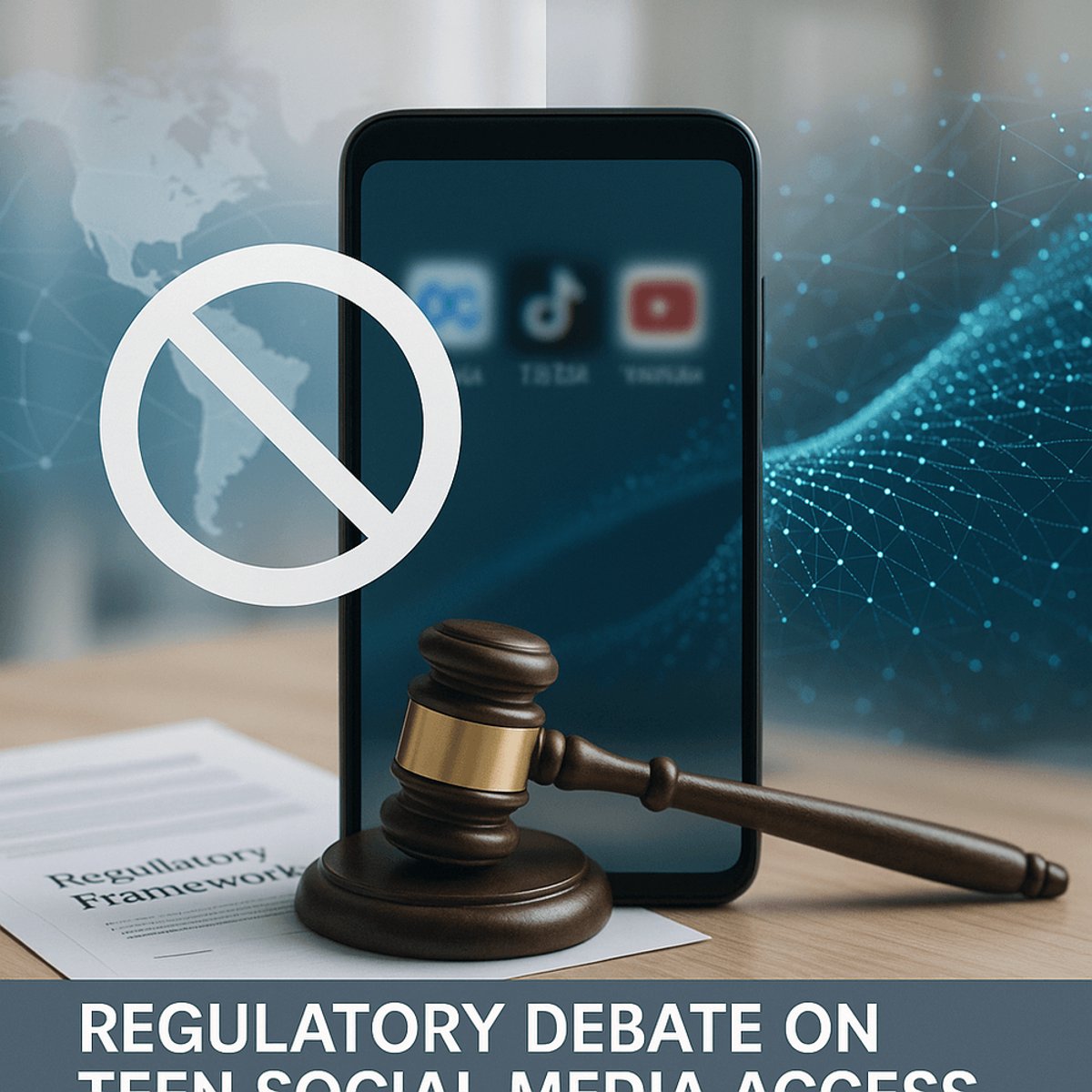
A wave of countries is moving to ban teenagers from social media platforms, but tech policy experts are pushing back hard, calling the approach an admission of regulatory failure. Rather than holding platforms accountable for harmful design choices, governments are increasingly choosing to restrict access for young users - a strategy critics say dodges the real problem while creating new complications around enforcement and digital rights.
Governments worldwide are increasingly embracing a blunt instrument to address concerns about teen mental health and online safety: outright bans on social media access for minors. But the strategy is drawing sharp criticism from researchers and policy experts who see it as a regulatory cop-out.
"I think the argument for a ban is an admission of failure that we cannot regulate companies, so we can only restrict children," one expert told CNBC. The statement cuts to the heart of a growing debate about whether age restrictions address the root causes of social media harm or simply sidestep the harder work of platform regulation.
The movement toward teen social media bans has gained momentum across multiple jurisdictions, reflecting mounting pressure on lawmakers to respond to concerns about mental health impacts, addictive design patterns, and exposure to harmful content. Australia has been among the most aggressive movers in this space, while several European nations and U.S. states have explored similar restrictions.
But critics argue these measures fundamentally misdiagnose the problem. Instead of addressing algorithmic amplification of harmful content, dark patterns that maximize engagement, or inadequate content moderation, bans place the burden on young users and their families. The approach also raises thorny questions about enforcement - how do platforms verify age without creating new privacy concerns or surveillance infrastructure?
The companies at the center of this debate - Meta, TikTok, Snap, and Google's YouTube - have long resisted meaningful regulation of their core business models. Their algorithms prioritize engagement above all else, a design choice that research suggests can be particularly harmful for developing brains. Yet rather than requiring platforms to fundamentally redesign these systems, governments are opting for access restrictions that may prove both ineffective and counterproductive.
Experts worry that blanket bans could drive teen social media use underground, making it harder for parents to monitor and for researchers to study. They also point out that social media provides genuine benefits for many young people, including community building, creative expression, and access to mental health resources. A ban eliminates those positives along with the negatives.
The regulatory challenge is real - tech platforms have proven adept at resisting meaningful oversight, and crafting effective rules for rapidly evolving technology is genuinely difficult. But policy researchers argue that difficulty doesn't justify abandoning the effort in favor of simple prohibitions.
Alternative approaches exist. Some advocates push for algorithmic transparency requirements, mandatory design changes to reduce addictive features, or robust content moderation standards with real penalties for failures. Others suggest focusing enforcement on platforms' duty of care obligations rather than age verification systems that create new problems.
The tension reflects a broader struggle in tech policy: whether to regulate the technology itself or restrict who can access it. With teen social media bans, countries appear to be choosing the latter path - one that critics argue lets platforms off the hook while creating new burdens and risks for young people.
As more jurisdictions consider following this playbook, the debate over whether age restrictions represent sound policy or regulatory surrender is only intensifying. The stakes extend beyond social media to questions about how democracies should approach technology governance in an era when platforms shape everything from mental health to political discourse.
The global push toward teen social media bans represents a critical inflection point in tech regulation. While lawmakers face genuine pressure to address concerns about youth mental health and online safety, experts warn that age restrictions dodge the harder work of holding platforms accountable for harmful design choices. The approach raises serious questions about enforcement, effectiveness, and whether democracies are willing to tackle the root causes of social media harm or simply restrict who gets hurt. As more countries consider this path, the debate over regulatory courage versus regulatory avoidance will shape not just social media policy but the broader question of whether governments can meaningfully constrain tech platform power.