Google and Tesla are taking aim at America's century-old electrical grid infrastructure. The two tech giants just launched Utilize, a new consortium that wants to fundamentally reshape how electricity networks are managed and regulated. With AI data centers and electric vehicles straining aging grid systems nationwide, the timing signals a major power play in the energy transition.
Google and Tesla just fired a shot across the bow of America's utility industry. The two companies launched Utilize, a new consortium aimed at overhauling how the nation's electrical grid operates and gets regulated. It's a bold move that puts two of tech's biggest infrastructure players directly at odds with century-old power management practices.
The timing isn't coincidental. Google's AI ambitions are bumping hard against power constraints, with data centers now consuming roughly 2-3% of U.S. electricity according to recent Department of Energy estimates. Meanwhile, Tesla's betting its future on electric vehicles and energy storage systems that require a fundamentally different grid than the one built for 20th-century baseload power plants.
"We're managing the electrical grid all wrong," the companies argue through Utilize's formation. The consortium isn't just Google and Tesla - they've recruited other major tech and energy players who share their frustration with regulatory frameworks designed decades before anyone imagined AI training runs or vehicle-to-grid technology.
The current grid management system relies on utilities making supply-and-demand decisions hours or even days in advance. That worked fine when electricity consumption patterns were predictable - factories running 9-to-5, air conditioners humming on summer afternoons. But AI workloads spike unpredictably, and millions of EVs plugging in simultaneously creates entirely new stress patterns that legacy systems weren't designed to handle.
Tesla brings serious credibility here. The company's already operating massive battery storage installations through its Megapack division, with projects in California, Texas, and Australia proving that grid-scale batteries can stabilize networks while integrating renewable energy. Tesla's energy storage deployments grew 125% year-over-year in 2025, making it one of the world's largest battery operators.
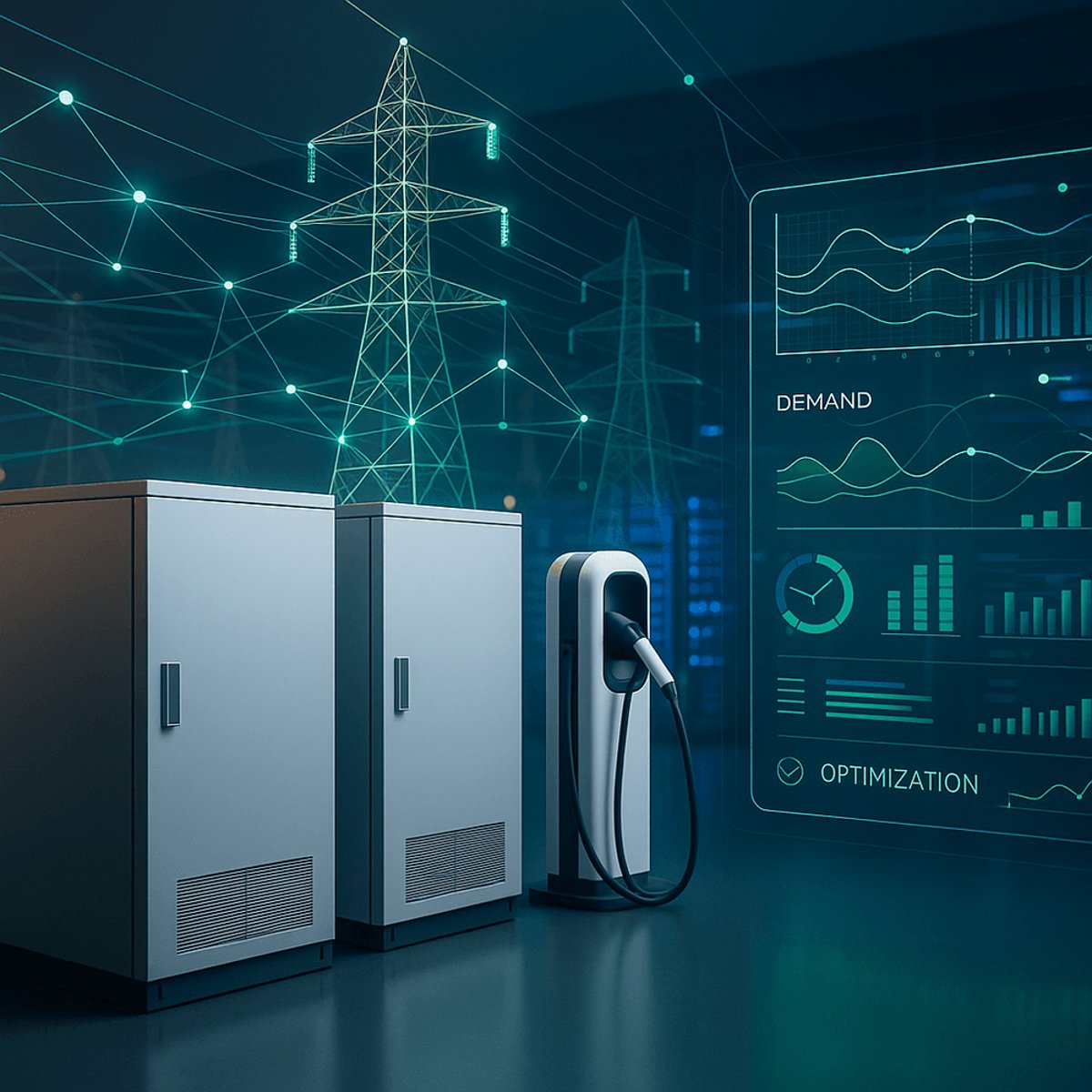
Google, meanwhile, has been experimenting with AI-optimized power management at its data centers for years. The company's DeepMind division previously developed systems that reduced cooling costs by 40% through machine learning. Now they want to apply similar thinking to the broader grid - using AI to predict demand, optimize renewable energy integration, and coordinate distributed battery storage in real-time.
Utilize's core argument centers on flexibility. Current regulations often require utilities to maintain expensive backup capacity that sits idle most of the time, driving up costs for everyone. The consortium wants rules that reward dynamic load management - paying customers to shift consumption to off-peak hours, enabling vehicle batteries to feed power back to the grid during emergencies, and letting AI systems orchestrate thousands of distributed energy resources simultaneously.
This isn't just about corporate convenience. The U.S. faces an estimated $2 trillion grid infrastructure gap over the next decade as electrification accelerates. States like California already experience rolling blackouts when demand spikes. Texas's independent grid famously collapsed during Winter Storm Uri in 2021, leaving millions without power. Utilize argues that smarter software-driven management could prevent such failures while requiring less physical infrastructure investment.
The regulatory battles ahead won't be simple. Utilities operate under state-level public utility commissions with different rules in every jurisdiction. Federal agencies like FERC oversee interstate transmission but have limited authority over local distribution. Changing how America manages electricity means convincing dozens of regulatory bodies to rewrite rules that have governed the industry for generations.
But Google and Tesla have leverage. Their infrastructure investments give them serious negotiating power with utilities desperate to serve mega-customers. Google's data center expansion plans and Tesla's Supercharger network buildout represent billions in electricity demand that utilities can't afford to lose. That creates opportunities to pilot new management approaches in exchange for long-term power purchase commitments.
The elephant in the room is vertical integration. Tesla already makes EVs, batteries, solar panels, and charging infrastructure. Google's parent company Alphabet has investments across the energy spectrum. Utilize could be positioning these companies to become de facto grid operators themselves - a prospect that terrifies traditional utilities and excites Silicon Valley in equal measure.
What happens next depends partly on politics. The Biden administration pushed aggressive electrification and grid modernization as part of its infrastructure agenda. A new administration might take different approaches to energy regulation and utility reform. Utilize will need to navigate that uncertainty while building technical proof points that their vision actually works at scale.
Utilize represents a fundamental challenge to how America has managed electricity for the past century. Google and Tesla aren't just complaining about regulations - they're building the alternative infrastructure and recruiting allies to force change. Whether that leads to a smarter, more resilient grid or a power struggle between tech giants and utilities will define energy infrastructure for the next generation. With AI power demands doubling every few years and EV adoption accelerating faster than grid upgrades, something has to give. Google and Tesla are betting they can shape what comes next rather than waiting for regulators to catch up.