TikTok influencers are hawking vials of retatrutide - an unapproved weight-loss drug still in FDA clinical trials - through murky gray-market channels, bypassing basic safety protocols and leaving consumers exposed to unknown risks. The phenomenon highlights a dangerous gap between legitimate compounding pharmacies and unregulated suppliers exploiting GLP-1 demand. When reporter Victoria Song obtained a vial through an influencer's link to investigate, even basic verification proved impossible - exposing how difficult it is to distinguish legitimate sources from potentially dangerous knockoffs in the booming peptide market.
The wellness Wild West just found a new frontier. On TikTok, a troubling trend is unfolding as influencers demonstrate how to mix powdered peptides into injectable weight-loss drugs - specifically retatrutide, an experimental medication that hasn't cleared FDA approval. The tutorials are alarmingly casual. No gloves. No proper sterilization. Just alcohol swabs, syringes, and bacteriostatic water on kitchen counters.
Retatrutide - nicknamed GLP-3 for its triple-agonist mechanism targeting glucagon, GIP, and GLP-1 receptors - is still undergoing phase three clinical trials at Eli Lilly. It's not approved for commercial use. Yet a gray market has emerged to meet demand from people desperate for the next generation of weight-loss medications, capitalizing on the same desperation that fueled the Ozempic and Wegovy shortage crisis.
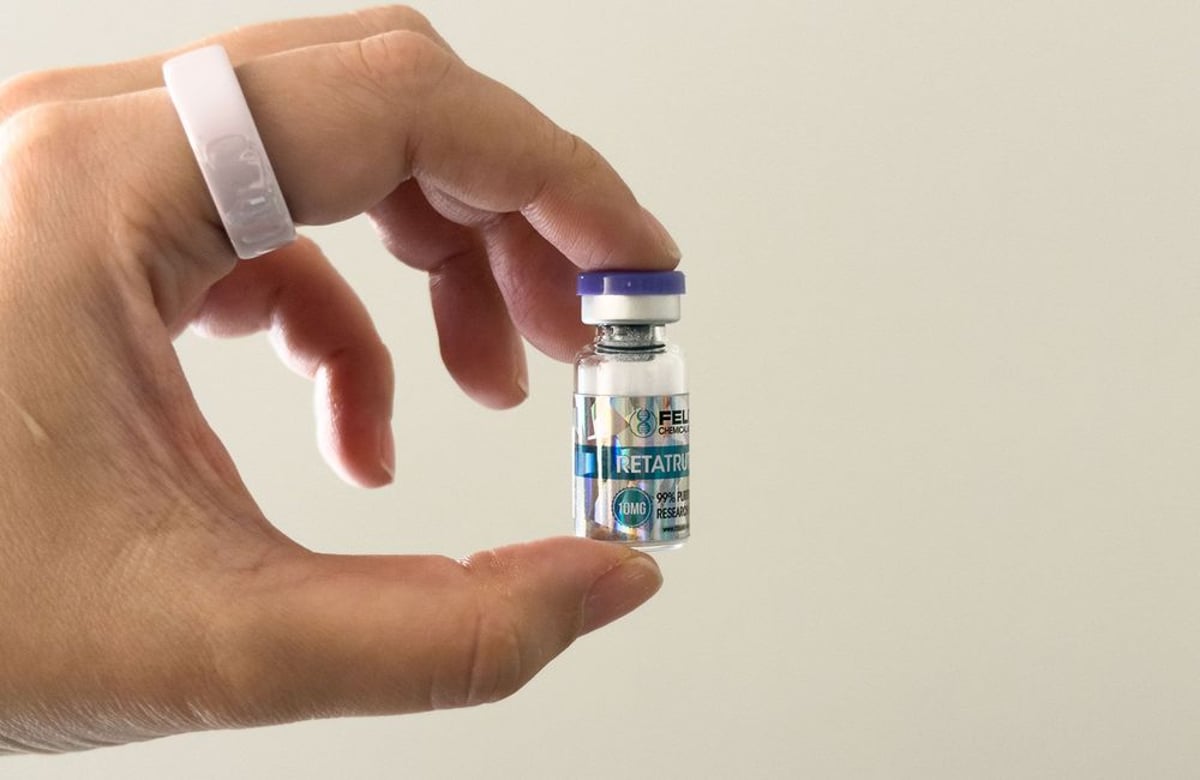
When The Verge reporter Victoria Song ordered a vial through a TikTok influencer's linktree to investigate the phenomenon, what arrived was a tiny bottle with a "99% purity" label, bacteriostatic water, and zero instructions. No syringes. No storage guidelines. No lot number verification. The seller's product listing, which Song recalled having certification links, no longer displayed any lab documentation.
Annie Lambert, a pharmacist and compounding specialist with Wolters Kluwer, reviewed Song's findings and the TikTok tutorials with visible concern. The gap between what influencers are doing and proper pharmaceutical protocols is staggering. "At bare minimum, per USP standards, when we compound in pharmacy settings, I'm going to wash my hands, disinfect the counter, disinfect the top of the lid - you want everything as clean as possible," Lambert explained. Most TikTok videos skip even these basics.
The distinction between gray-market peptides and legitimate compounding pharmacies has become critically blurred. After the 2022 GLP-1 shortage, the FDA allowed compounding pharmacies to create custom versions of drugs like Ozempic and Mounjaro for patients who couldn't access commercial versions. For people denied coverage due to insurance restrictions - some were rejected for "improving too much" on medication, according to a Planet Money report - compounding pharmacies offered a lifeline.
But the gray market operates outside this regulated framework entirely. These are wholesalers, distributors, or manufacturers selling through unauthorized channels with no pharmacy license, no state board oversight, and no FDA scrutiny. Consumers reconstitute the drugs themselves, guided only by influencer tutorials and online peptide calculators.
"You can get an API from other places. It's not like it's only delivered to the Eli Lilly plant," Lambert told Song. "But for something that's not even FDA-approved yet, like retatrutide, it is only for research purposes. With the gray market, it should raise questions: What is the quality? What is the safety? How would I validate these things?"
The "99% purity" claim on Song's vial illustrates the problem perfectly. Purity and potency are entirely different metrics. Potency refers to whether you're getting the correct dosage of active ingredient - like 325mg of acetaminophen in Tylenol. Purity addresses whether that ingredient contains endotoxins or contaminants that could cause harm. Legitimate drugs reference USP monographs - written standards that define acceptable levels.
No such monograph exists for retatrutide. The FDA has explicitly stated it's not a component of any approved drug and isn't on the 503A Bulk Drug Substances list that legitimate compounding pharmacies use. Without an official standard, "purity" becomes whatever the gray-market seller claims it means.
Lambert explained that legitimate compounding pharmacies conduct sterility testing, endotoxin testing, and verification of raw APIs - processes enforced by state pharmacy boards and accreditation bodies. Most gray-market certificates Song reviewed only addressed purity, ignoring these other critical safety factors. And when the "official" version of a drug doesn't exist yet, there's no baseline to test against anyway.
The risks extend beyond uncertain drug composition. Improper reconstitution can introduce bacteria. Incorrect dosing without medical supervision can trigger dangerous side effects. Storage errors can degrade the medication. The FDA approval process exists precisely to prevent these scenarios - yet thousands are bypassing it entirely, guided by affiliate-link-dropping influencers earning commissions on each sale.
For consumers trying to navigate this landscape, Lambert offered concrete questions to ask any source - whether a compounding pharmacy, med spa, or online vendor. Where do they source active pharmaceutical ingredients? Can they provide third-party certificates of analysis for specific lot numbers? Do they follow USP 797 standards for sterilization? What training do compounding staff have? If you're going through a telehealth service, which licensed pharmacy is actually preparing the medication?
If a med spa or wellness clinic can't name a valid pharmacy partner, you may be getting gray-market peptides without realizing it. And if an online seller only offers purity percentages without sterility testing, API verification, or pharmacy licensing, that's another red flag.
The boom in gray-market peptides reflects broader failures in the US healthcare system. Insurance companies deny coverage for medications that could genuinely help patients. Brand-name drugs cost thousands per month. Compounding pharmacies offer a middle path - but only if they're legitimate operations following proper protocols, not fly-by-night operations exploiting regulatory gaps.
Song's investigation revealed just how difficult it is to verify what you're actually buying. Even sending the vial to a "reputable third-party lab" raises the question: testing for what, exactly? Without an approved version of retatrutide to compare against, results become meaningless. A lab might confirm certain molecules are present, but can't verify you're getting the same formulation Eli Lilly is testing in clinical trials.
The desperation driving people to these alternatives is real and understandable. But as Lambert put it: "The first question to ask is, how much risk am I willing to take?" When that risk involves injecting an unapproved drug of unknown composition into your body based on a TikTok tutorial, the answer should give everyone pause.
The retatrutide phenomenon exposes a dangerous convergence of social media influence, healthcare access failures, and regulatory gaps. While legitimate compounding pharmacies offer a regulated alternative for GLP-1 access, the gray market operates in shadows with zero accountability. For consumers, the stakes couldn't be higher - you're not just risking your money on a questionable product, but injecting substances of unknown composition into your body based on influencer endorsements and affiliate codes. Until the FDA completes retatrutide trials and establishes approval standards, there's simply no way to verify what these vials actually contain. The broken healthcare system that drives people to these alternatives needs fixing, but the solution isn't unregulated peptides from TikTok - it's demanding better access to properly tested, legitimately sourced medications through transparent, licensed channels.