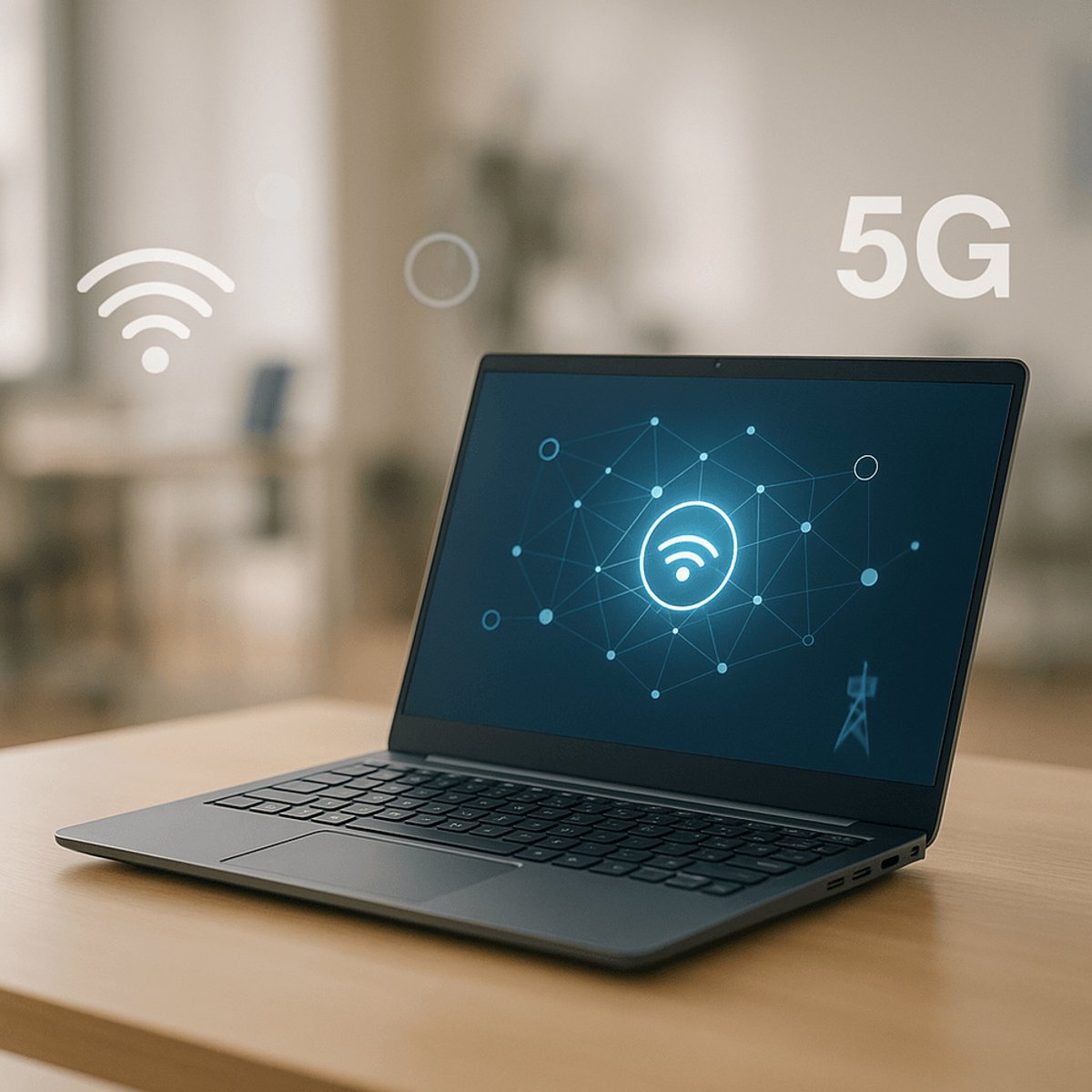
HP's latest EliteBook 6 G1q is making waves in the business laptop market with its built-in 5G cellular radio, promising always-on connectivity without the hassle of Wi-Fi dropouts or mobile hotspots. But according to early reviews, the standout connectivity feature might not be enough to justify the laptop's overall value proposition in an increasingly competitive market.
HP just rolled out its EliteBook 6 G1q, and the timing couldn't be better for frustrated remote workers everywhere. The laptop's killer feature? A built-in 5G radio that promises to end the eternal struggle with spotty coffee shop Wi-Fi and unreliable mobile hotspots. But early reviews suggest this connectivity breakthrough comes with trade-offs that business buyers need to consider carefully.
The always-connected laptop concept isn't entirely new, but HP is betting big on what it calls "HP Go" - a seamless connectivity experience designed to eliminate the productivity killers that plague modern workers. "We're talking about a connected, seamlessly productive experience that helps mitigate security vulnerabilities, end user frustration, and organization hidden costs to stay connected," the company explains in its official positioning.
According to Wired's hands-on review by Christopher Null, the 5G implementation works exactly as advertised. No configuration headaches, no hunting for network passwords, no switching between devices when Wi-Fi inevitably fails during that crucial video call. The laptop simply connects to cellular networks automatically, treating mobile data like any other internet connection.
This approach addresses a real pain point that's only gotten worse since the pandemic reshaped work patterns. A recent survey by Deloitte found that 42% of remote workers lose at least an hour of productivity weekly to connectivity issues, with coffee shops and co-working spaces being particular trouble spots. HP's solution essentially treats internet access like a utility rather than a luxury.
But the EliteBook 6 G1q faces stiff competition in the business laptop space. Lenovo has been pushing its ThinkPad X1 series with similar connectivity options, while Dell continues to dominate enterprise sales with its Latitude lineup. The challenge for any manufacturer is balancing premium features like embedded cellular with the cost pressures that IT departments face.
The timing is particularly interesting given the broader push toward 5G infrastructure. Verizon and AT&T have been aggressively expanding their business-focused 5G networks, creating an ecosystem where always-connected laptops finally make practical sense. Unlike previous attempts at cellular-enabled laptops, the current 5G landscape offers the speed and reliability that business users actually need.
However, Null's review raises questions about whether connectivity alone justifies the EliteBook's positioning. While the 5G radio "is a standout feature," he notes that the overall package might not deliver enough value for its cost. This tension between innovative features and practical value has become a defining challenge in the premium laptop market.
Industry analysts are watching this space closely. IDC's latest data shows that always-connected PCs represent one of the fastest-growing segments in business computing, but adoption rates remain relatively low due to pricing concerns and data plan complexity. HP's approach appears designed to address both issues, though early market reception will be telling.
The broader implications extend beyond HP itself. If the EliteBook 6 G1q succeeds, it could accelerate the industry's shift toward viewing cellular connectivity as a standard rather than premium feature. That would put additional pressure on competitors to match these capabilities while potentially driving down costs across the category.
For IT decision makers, the EliteBook 6 G1q represents both an opportunity and a dilemma. The promise of eliminating connectivity-related support calls is appealing, but the total cost of ownership includes not just the laptop price but ongoing cellular data plans for potentially hundreds or thousands of devices.
HP's EliteBook 6 G1q represents a fascinating case study in innovation versus value. While the built-in 5G connectivity addresses a genuine pain point for mobile workers, the early lukewarm reception highlights the ongoing challenge of justifying premium features in a cost-conscious business market. The laptop's success or failure could signal whether always-connected computing is ready for mainstream adoption or remains a niche play for specific use cases. Either way, HP is clearly betting that seamless connectivity will become as essential as processing power in the next generation of business laptops.