After more than a year of uncertainty, Lucid Motors has finally named a new CEO following Peter Rawlinson's sudden departure, while simultaneously securing a fresh funding injection from Uber and the Saudi Arabian Public Investment Fund. The dual announcement signals a potential turning point for the struggling luxury EV maker, which has been operating under interim leadership since Rawlinson's resignation sent shockwaves through the electric vehicle industry.
Lucid Motors just closed the book on one of the EV industry's most watched leadership searches. The luxury electric vehicle maker confirmed it has appointed a new CEO after operating for over a year without permanent leadership, a period that coincided with some of the company's most challenging quarters.
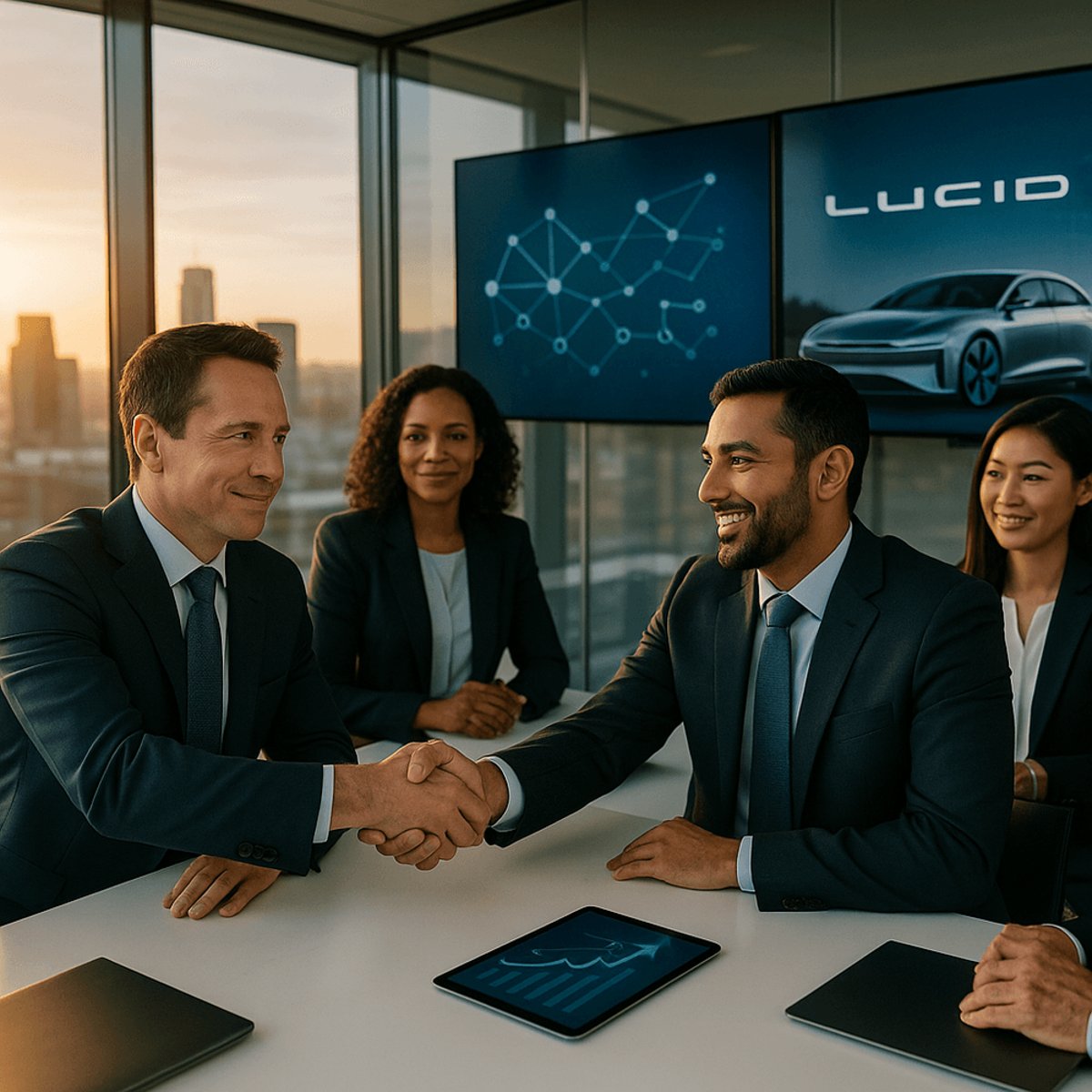
The announcement comes paired with a significant capital infusion from an unlikely duo: Uber and the Saudi Arabian Public Investment Fund, Lucid's longtime financial backer. While the exact funding amount wasn't disclosed in available reports, the involvement of Uber marks a notable strategic shift that could signal deeper collaboration between the ride-hailing giant and the EV manufacturer.
Peter Rawlinson's departure last year left a vacuum at the top of a company already struggling to scale production of its high-end Air sedan. The former Tesla engineer had been Lucid's face since its inception, championing the company's technology-first approach and ambitious plans to challenge established luxury automakers. His sudden exit raised questions about internal disagreements over strategy and the mounting pressure from investors to demonstrate a path to profitability.
The year-long search process itself became a storyline in the competitive EV landscape. Industry insiders speculated about potential candidates ranging from traditional automotive executives to tech industry veterans, reflecting Lucid's identity crisis between being a car company and a technology firm. The extended timeline suggested either a highly selective process or challenges in attracting top talent to a company burning through cash while facing fierce competition from both Tesla and legacy automakers' EV pushes.
The Saudi Public Investment Fund's continued financial support isn't surprising - the sovereign wealth fund has pumped billions into Lucid as part of Saudi Arabia's economic diversification strategy. The fund owns a majority stake in the company and has positioned Lucid manufacturing as a cornerstone of its automotive industry ambitions. But Uber's participation adds an intriguing dimension that could hint at autonomous or fleet vehicle partnerships down the road.
This comes at a critical juncture for the EV market overall. Luxury electric vehicle sales have shown signs of plateauing as early adopters reach saturation, while more affordable options from Chinese manufacturers and legacy brands flood the market. Lucid's premium positioning - with vehicles starting well above $80,000 - has proven both a strength in terms of margins and a liability in terms of addressable market size.
The funding injection provides breathing room, but questions remain about execution. Lucid has consistently missed production targets and struggled with supply chain challenges that have plagued the entire automotive industry. The company's Arizona factory has capacity it hasn't come close to filling, while plans for international expansion have been repeatedly delayed.
What makes this transition particularly significant is its timing relative to the broader EV industry's evolution. Traditional automakers have committed hundreds of billions to electrification, Tesla continues to dominate market share despite increased competition, and Chinese manufacturers are rapidly expanding globally. Lucid needs to prove it can carve out a sustainable niche beyond being a technology showcase.
The new CEO will inherit a company with undeniable engineering credentials - the Air sedan boasts industry-leading efficiency and range - but questionable commercial viability. Balancing the company's premium brand positioning with the need to achieve scale will be the central challenge. The Uber connection could provide a path to fleet sales that would help absorb production capacity while building brand awareness.
Investors have been remarkably patient, or perhaps simply committed given the Saudi fund's strategic interests. But that patience has limits, and the new leadership will face immediate pressure to demonstrate progress on both production ramp and cost control. The EV market's window for new entrants may be narrowing as consolidation pressures build across the industry.
Lucid's dual announcement of new leadership and fresh funding offers a reset opportunity for a company that's been treading water despite its technological achievements. The involvement of Uber alongside Saudi Arabia's continued backing suggests potential strategic partnerships that could open new revenue streams beyond direct consumer sales. But the EV market waits for no one, and the new CEO will need to move quickly to translate Lucid's engineering excellence into commercial success before the window closes on independent luxury EV makers. The next 12 months will reveal whether this leadership change marks a genuine turning point or just another chapter in the company's struggle to find its footing in an increasingly crowded market.