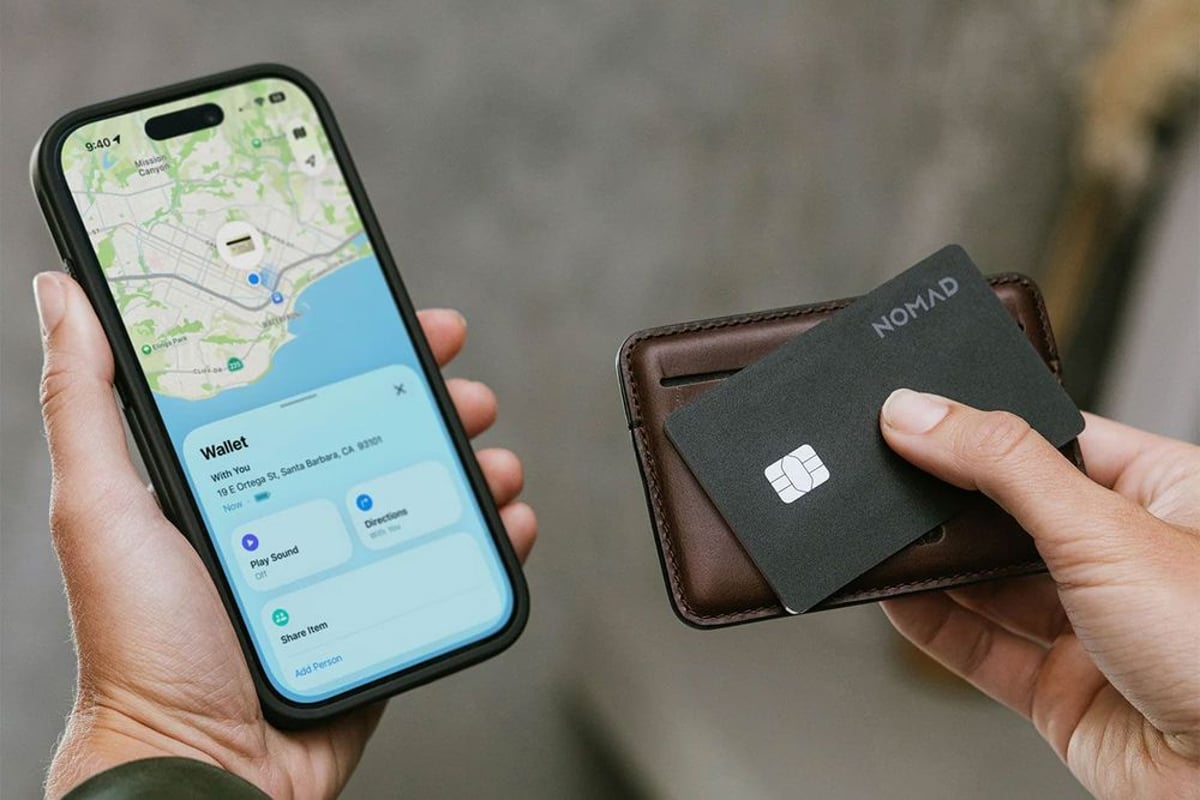
Nomad just dropped its Tracking Card Pro with a major battery upgrade that could change how we think about wallet trackers. The new card lasts up to 16 months on a single charge - more than triple the five-month lifespan of the standard version - but it comes with trade-offs that highlight the broader battle brewing in the tracking device market.
Nomad is betting that battery life trumps everything else in the wallet tracker wars. The company's new Tracking Card Pro pushes the envelope with 16 months of juice - a massive leap from the five-month standard that's had users constantly worrying about dead trackers.
But this isn't just about one company's incremental upgrade. It's a signal that the tracking device market is hitting a maturity inflection point where battery anxiety becomes the key differentiator. Apple's AirTags changed the game by making lost item tracking mainstream, but they're still too thick for wallets at 8mm. That opened the door for card-shaped alternatives, and now we're seeing the second wave of innovation focus purely on endurance.
The Tracking Card Pro costs $39, positioning it $10 above Nomad's standard version but still in the premium accessory sweet spot. The company clearly believes users will pay extra for the peace of mind that comes with not having to remember charging schedules. Early adoption patterns suggest they might be right - according to industry analysis from Counterpoint Research, battery life consistently ranks as the top complaint about tracking devices across all form factors.
To achieve the 16-month runtime, Nomad had to make compromises. The card measures 2.5mm thick versus 1.7mm for the standard version - still wallet-friendly but noticeably chunkier. At 15 grams, it's also heavier, though the polycarbonate body with exposed aluminum edges gives it a premium feel that justifies the bulk.
The real story here isn't just Nomad's upgrade - it's how quickly competitors are leapfrogging each other. Pebblebee's Card 5 undercuts the Tracking Card Pro at $34.99 while delivering 18 months of battery life and dual-network support for both Apple's Find My and Google's Find My Device networks. That cross-platform compatibility could be huge as Android users increasingly demand parity with Apple's ecosystem.
Functionality remains standard across the category - audible alerts within 150 feet, wireless charging support, and integration with Find My networks. The Tracking Card Pro lacks built-in magnets but has enough metal to stick to MagSafe and Qi2 charging pads, a clever engineering touch that maintains the slim profile.
What's fascinating is how this mirrors broader consumer electronics trends. Just as smartphone makers pivoted from features to battery life when the market matured, tracking device companies are now in an arms race over endurance. The question is whether incremental battery improvements will be enough to maintain differentiation, or if we'll see more radical innovation in form factors or capabilities.
The timing couldn't be better for Nomad. Holiday shopping season typically drives tracking device sales, and the psychological appeal of "set it and forget it" for over a year could resonate with gift buyers. But Pebblebee's competitive positioning suggests this market is far from settled.
For users, the choice comes down to priorities: Nomad's brand recognition and premium materials versus Pebblebee's longer battery life and dual-network support for $5 less. Both represent solid upgrades over first-generation wallet trackers, but they also highlight how quickly this category is evolving beyond simple "find my stuff" functionality toward more sophisticated tracking ecosystems.
Nomad's Tracking Card Pro represents the tracking device market's evolution from novelty to necessity, where battery anxiety drives purchase decisions more than features. While the 16-month battery life addresses a real pain point, Pebblebee's competing solution shows how quickly advantages can disappear in this rapidly maturing category. For consumers, it's less about which card to choose and more about recognizing that wallet tracking has finally reached the reliability threshold that makes it genuinely useful rather than just another gadget to manage.