Tesla just hit a major autonomous driving milestone that's been seven months in the making. All 170 robotaxi rides tracked in Austin over the past two weeks operated without human safety monitors, according to crowdsourced data from Robotaxi Tracker. The shift signals Tesla's most aggressive push yet into truly driverless operations, with the service rapidly expanding to Dallas and Houston just as the company prepares to launch its dedicated Cybercab vehicle.
Tesla appears to have quietly achieved what CEO Elon Musk promised back in January - fully unsupervised robotaxi operations in Austin. The shift happened gradually, then suddenly. Over the past two weeks, every single ride tracked by the crowdsourced Robotaxi Tracker operated without a human safety driver behind the wheel.
"All 170 Tesla Robotaxi rides in Austin monitored by the crowdsourced Robotaxi Tracker were unsupervised," site creator Ethan McKanna told The Verge. Those rides involved 54 different vehicles, suggesting Tesla's deployed a substantial fleet across the Texas capital. It's a dramatic acceleration from earlier this summer, when safety drivers still occupied the front seats of most Tesla robotaxis.
But Austin's just the opening act. McKanna's data shows Tesla's pushing hard into Dallas and Houston, where roughly 30 driverless vehicles have materialized over the past week. The geographic expansion reveals Tesla's confidence in its Full Self-Driving technology after years of incremental improvements and regulatory skepticism. Unlike competitors Waymo and Cruise, which rely on expensive lidar sensors and hyper-detailed maps, Tesla's vision-only approach uses cameras and neural networks trained on billions of miles of real-world driving data.
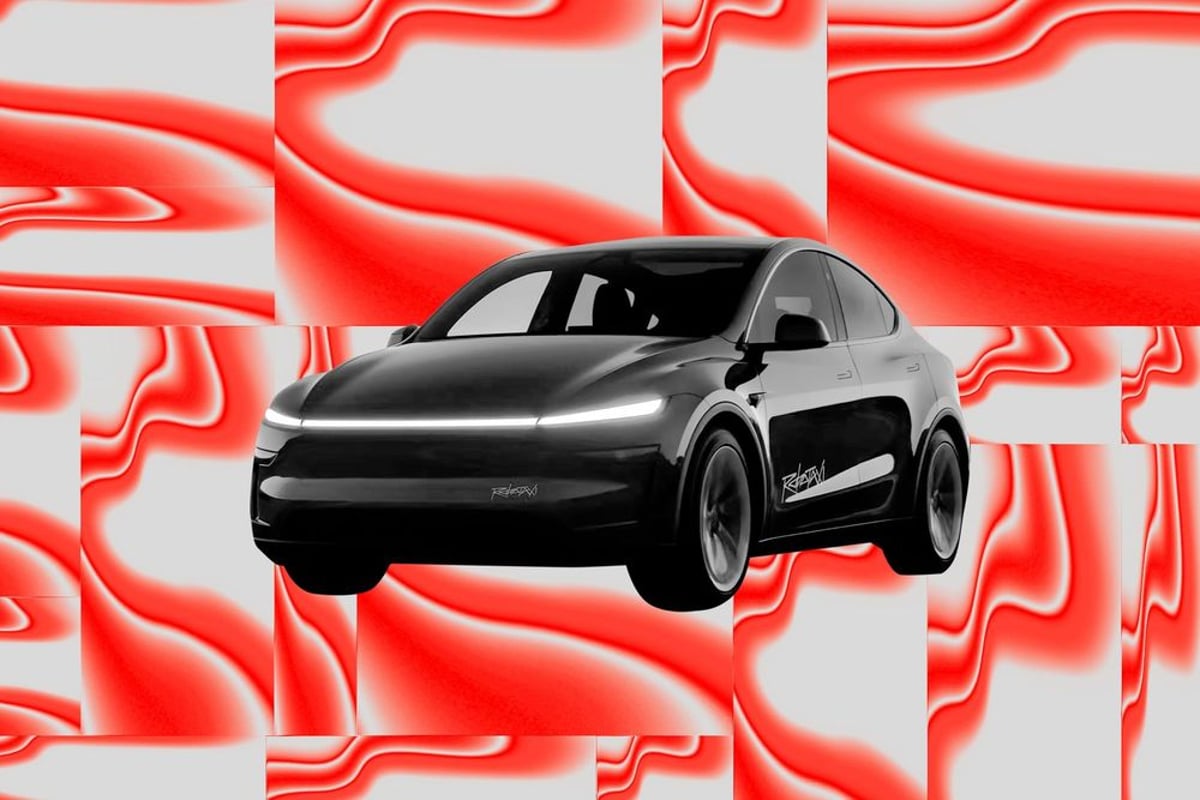
The timing isn't coincidental. Tesla's preparing to launch the Cybercab, its purpose-built robotaxi vehicle without a steering wheel or pedals. Proving the autonomous system works reliably in real-world conditions with paying passengers creates essential validation before rolling out dedicated hardware. Musk first announced the Austin driverless operations back in January, but this marks the first confirmation that the service has gone completely unsupervised across all tracked rides.
Texas has become Tesla's autonomous vehicle testing ground partly because of favorable regulations. Unlike California, which requires detailed reporting and permits for driverless testing, Texas allows companies more operational flexibility. That regulatory environment let Tesla iterate faster, moving from supervised rides to occasional unsupervised trips to what now appears to be a fully driverless service.
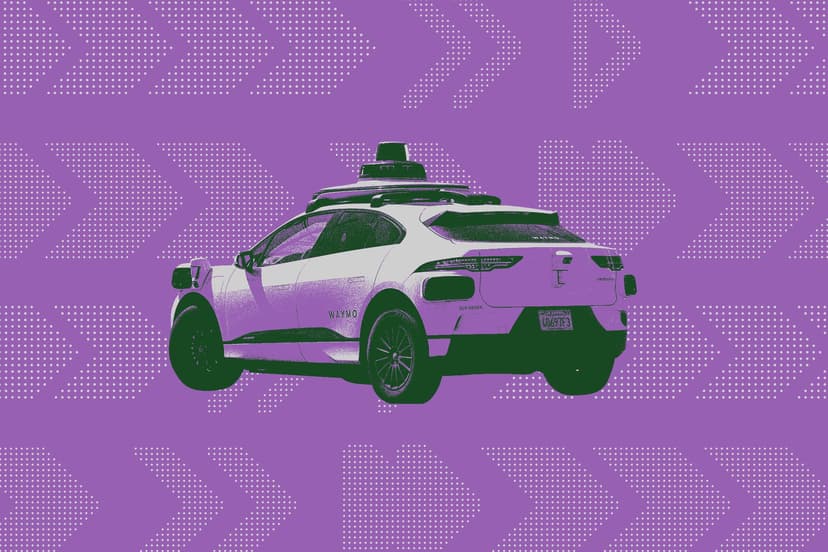
The robotaxi business model has struggled industrywide despite billions in investment. Waymo, owned by Alphabet, operates the most mature service with over 100,000 paid rides weekly across Phoenix, San Francisco, and Los Angeles. But the unit economics remain challenging. Vehicles require constant monitoring, maintenance costs run high, and geographic expansion demands extensive mapping and testing. Tesla's betting its vision-based system and manufacturing scale can crack the profitability equation that's eluded competitors.
Crowdsourced tracking through Robotaxi Tracker provides insight Tesla doesn't officially disclose. The company rarely releases operational metrics about its robotaxi program, leaving observers to piece together the service's scale through passenger reports and vehicle sightings. McKanna's tracker aggregates these observations, offering the clearest picture available of Tesla's autonomous fleet growth.
Industry watchers note that unsupervised operation represents a crucial inflection point, but it's not the finish line. Safety incidents, regulatory pushback, or technical failures could force Tesla to reintroduce human oversight. Cruise famously suspended its entire San Francisco operation after a pedestrian-dragging incident, showing how quickly autonomous vehicle programs can unravel. Tesla's camera-only approach also raises questions about performance in challenging weather or edge cases where lidar might provide additional safety margins.
The expansion into Dallas and Houston tests whether Tesla's system generalizes beyond Austin's relatively predictable road network. Each city presents unique challenges - different traffic patterns, road layouts, and driver behaviors. Successfully scaling across Texas would validate the neural network approach and set the stage for national expansion.
"That's a substantial change from earlier this summer," McKanna noted, highlighting how rapidly Tesla's moved from mixed operations to completely unsupervised service. The speed of the transition suggests either breakthrough improvements in the underlying AI models or growing confidence from accumulated safety data.
As Tesla pushes toward the Cybercab launch, these Austin operations serve as the real-world proof point investors and regulators will scrutinize. The vehicle's unconventional design - no steering wheel, no pedals, no manual override - demands absolute confidence in autonomous capabilities. Running hundreds of unsupervised rides across multiple Texas cities builds that evidence base, demonstrating the technology's ready for purpose-built hardware.
What happens next will likely determine whether Tesla can transform from an automaker that sells autonomous features into a mobility company that operates robotaxi networks. The Texas expansion is just the beginning of that ambitious pivot.
Tesla's achievement of fully unsupervised robotaxi operations in Austin marks a pivotal moment in the autonomous vehicle race, but the real test lies ahead. Expanding to Dallas and Houston while preparing the Cybercab launch puts Tesla's vision-only approach under intense scrutiny. If the company can maintain safety records while scaling across Texas, it'll validate years of development and position itself as a genuine competitor to Waymo's lidar-based system. The next few months will reveal whether Tesla's betting on neural networks and cameras can deliver the robotaxi future Musk's been promising, or if the technology still needs human oversight to navigate the messy reality of public roads.