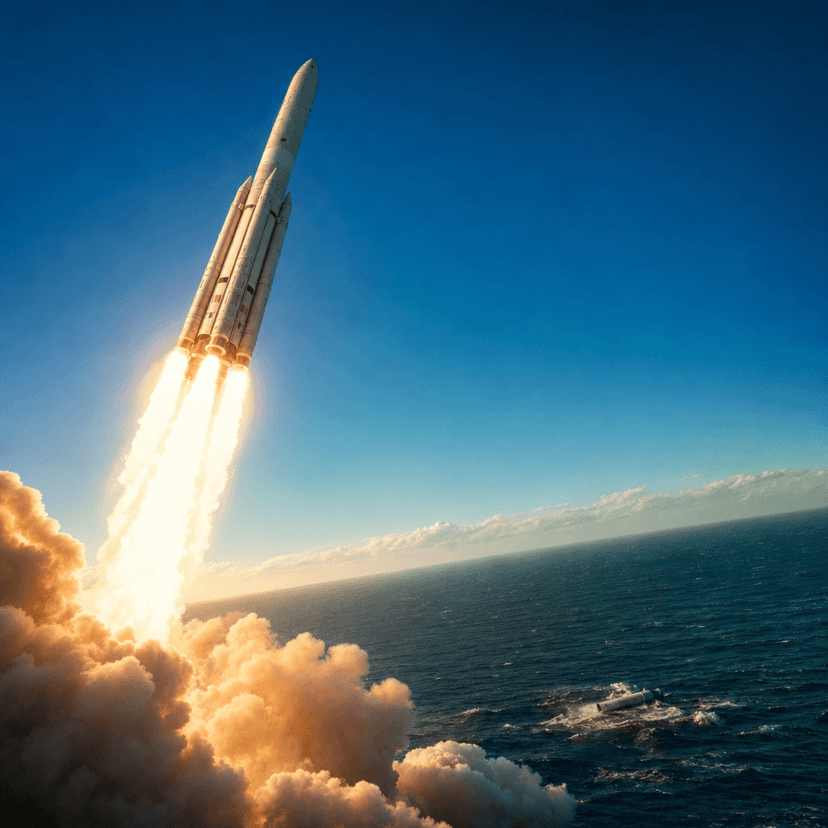
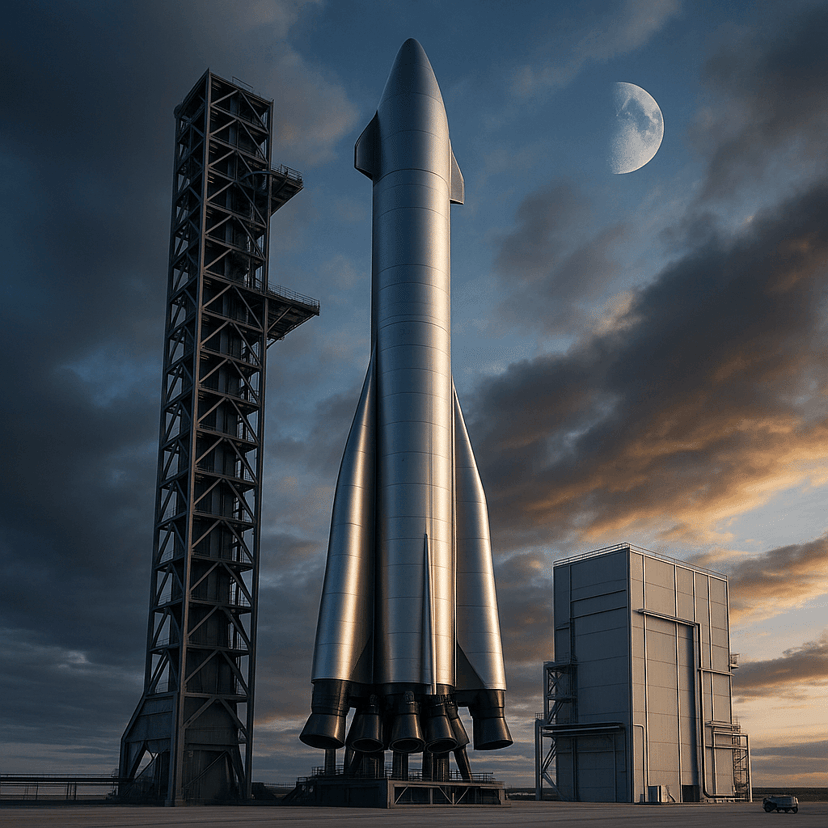
The same solar storms painting auroras across North America just forced Blue Origin to scrub its second New Glenn rocket launch from Cape Canaveral. Just hours before Wednesday's scheduled liftoff, Jeff Bezos' space company cited concerns about solar activity potentially damaging the ESCAPADE spacecraft - a NASA Mars mission hitching a ride on the mega-rocket.
The spectacular light show that's been mesmerizing stargazers across North America this week has an unexpected consequence: it's grounding rockets. Blue Origin pulled the plug on its second New Glenn launch Wednesday morning, citing the ongoing solar storms as a threat to the delicate NASA spacecraft nestled in the rocket's payload bay.
The timing couldn't be more frustrating for Jeff Bezos' space venture. After months of delays, New Glenn was finally ready to prove itself with its first commercial mission - carrying NASA's ESCAPADE probe toward Mars. But the same charged particles creating those stunning auroras pose a real danger to spacecraft electronics, especially during the vulnerable launch phase.
"Standing down from today's launch attempt due to solar activity and its potential effects on the ESCAPADE spacecraft," Blue Origin announced on social media, just hours before the scheduled liftoff. The company hasn't offered a new target date, suggesting they're waiting for space weather conditions to improve.
This isn't New Glenn's first rodeo with delays. The rocket nearly launched this past Sunday before a perfect storm of problems - weather concerns, an errant cruise ship wandering into the flight path, and launchpad equipment issues - forced another postponement. It's become a familiar pattern for the towering rocket that stands as Blue Origin's answer to SpaceX's Falcon Heavy.
The caution makes sense when you consider what's at stake. New Glenn's January debut was largely successful as a demonstration flight, but this mission carries actual paying cargo. NASA's ESCAPADE mission represents years of scientific planning and millions in investment - not something you risk on a coin flip with space weather.
The solar storms currently buffeting Earth stem from a series of coronal mass ejections that began earlier this week. These eruptions send billions of tons of charged particles streaming toward Earth at millions of miles per hour. While our planet's magnetic field deflects most of this energy - creating those beautiful auroras - spacecraft lack that protection during launch and early flight phases.
For Blue Origin, the delays highlight the challenges of breaking into the commercial space market. While SpaceX launches routinely despite weather hiccups, newer players like Blue Origin face extra scrutiny with each mission. A single failure with a paying customer could set back the company's commercial ambitions significantly.
The ESCAPADE mission itself adds another layer of complexity. The twin spacecraft are designed to study Mars' magnetic field and atmosphere, but they need to launch within a specific window to reach the Red Planet efficiently. Miss that window, and NASA might have to wait years for the next opportunity.
Industry observers are watching closely to see how Blue Origin handles these operational challenges. The company has invested billions in New Glenn development, but translating that investment into reliable commercial service requires mastering the mundane details of launch operations - including knowing when not to launch.
Meanwhile, the solar storms show no signs of letting up immediately. Space weather forecasters predict continued geomagnetic activity over the coming days, potentially extending Blue Origin's launch delay further. It's a reminder that even in our high-tech age, we're still at the mercy of the same solar forces that have shaped Earth's climate for billions of years.
Blue Origin's solar storm delay underscores the delicate balance between ambition and prudence in commercial spaceflight. While frustrating for a company eager to prove its rocket's reliability, the decision to prioritize mission success over schedule reflects hard-earned lessons from the space industry. As solar activity eventually subsides, New Glenn will get another chance to demonstrate that Blue Origin can deliver on its promises - but only when conditions are right.