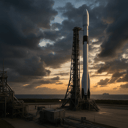
Fresh off its second successful New Glenn launch, Blue Origin just unveiled plans for a super-heavy variant that towers over the historic Saturn V rocket. The new New Glenn 9x4 configuration packs nine engines and can haul over 70 metric tons to orbit, putting it in direct competition with SpaceX's Starship for NASA's lunar missions and mega-constellation deployments.
Blue Origin isn't content to let SpaceX dominate the heavy-lift market. Jeff Bezos' space company just dropped blueprints for a beefed-up version of its New Glenn rocket that's designed to go head-to-head with Starship on the biggest missions in space.
The timing couldn't be more strategic. Just days after New Glenn's completely successful second flight, Blue Origin revealed the New Glenn 9x4 configuration that adds two more engines to the first stage and doubles the upper stage power. The company's official announcement shows this isn't just concept art - they're serious about building it.
The numbers tell the competitive story. Where the current New Glenn 7x2 uses seven engines on the booster and two on the upper stage, the 9x4 variant jumps to nine and four respectively. That extra firepower translates to over 70 metric tons of payload capacity to low-Earth orbit - still shy of Starship's theoretical 100-ton capacity, but close enough to compete for the same missions.
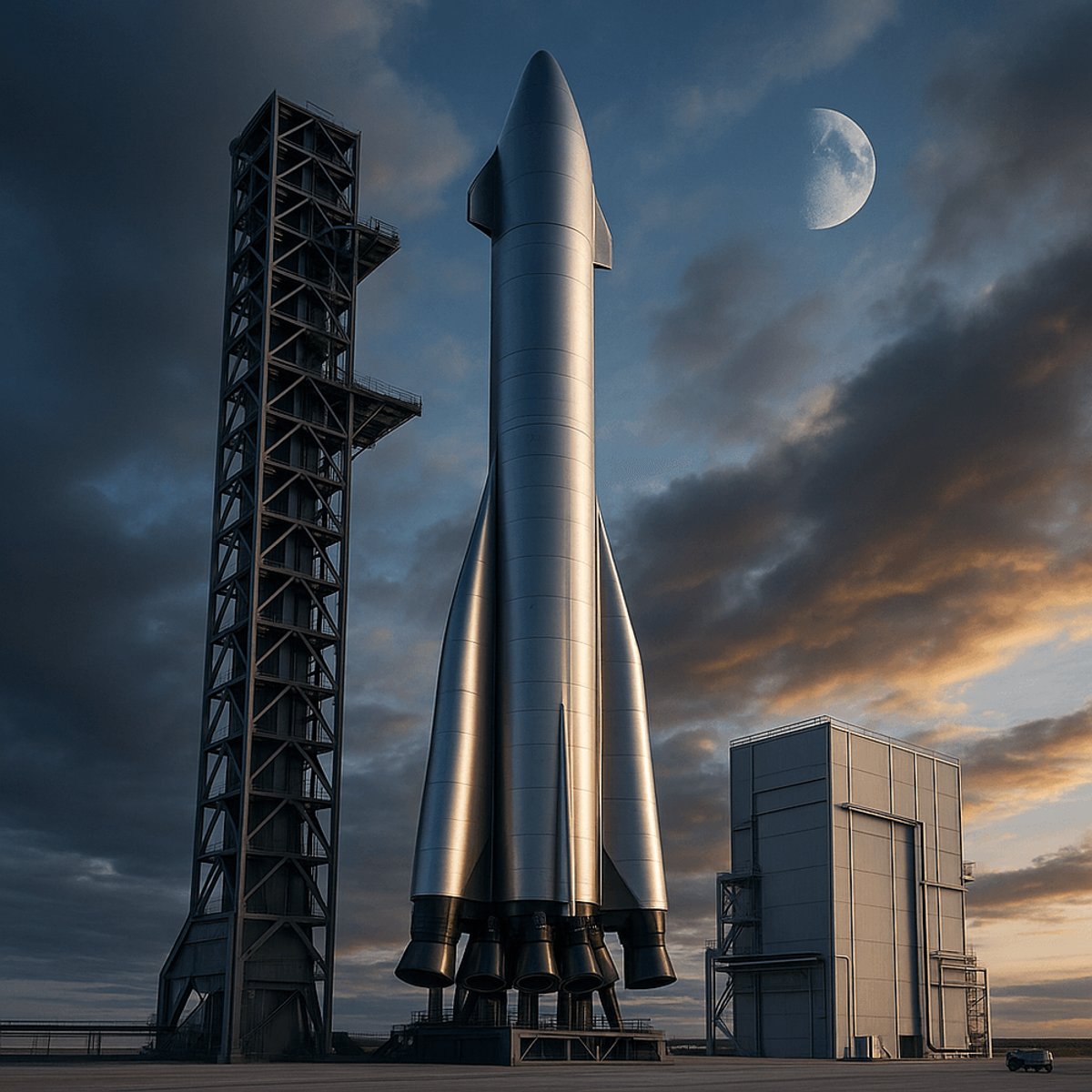
SpaceX has been working on even more powerful Starship variants that could double that capacity, but Blue Origin's move signals they're not conceding the heavy-lift race. The New Glenn 9x4 will actually be taller than the historic Saturn V rocket that took humans to the Moon, putting it in truly elite company for rocket scale.
The expanded fairing - the protective nose cone that shields payloads - represents the real strategic play here. Blue Origin explicitly mentions targeting "mega-constellations, lunar and deep space explorations, and national security imperatives such as Golden Dome." That's basically a checklist of the most lucrative space missions available today.
The lunar angle is particularly pointed. Blue Origin is currently locked in competition with SpaceX for NASA's Artemis lunar missions, and the company made sure everyone got the message with Thursday's announcement. The official rendering shows the New Glenn 9x4 launching with an unusually prominent Moon visible in the background - about as subtle as a rocket engine.
CEO Dave Limp hinted at the company's lunar ambitions during recent comments to SpaceNews, suggesting Blue Origin might attempt to launch its uncrewed Blue Moon Mark 1 lunar lander as early as next year. That would put real hardware on the Moon and demonstrate the capabilities NASA is shopping for.
But Blue Origin isn't abandoning its current rocket either. The original New Glenn 7x2 configuration is getting its own upgrades, including increased thrust, reusable fairings, and faster turnaround between launches. Running both configurations simultaneously gives Blue Origin more flexibility to bid on different mission profiles - the 7x2 for standard commercial launches, the 9x4 for the premium heavy-lift contracts.
The market timing looks deliberate. SpaceX has dominated heavy-lift launches partly because no one else could match Starship's capacity, but also because alternatives like NASA's Space Launch System are expensive and fly infrequently. Blue Origin is positioning itself as the reliable middle option - more capable than traditional rockets, more available than government systems, and potentially more cost-effective than SpaceX for certain missions.
With the next New Glenn launch tentatively scheduled for early 2026, Blue Origin has roughly a year to prove the 7x2 configuration is ready for regular operations before introducing the super-heavy variant. That's an aggressive timeline, but one that could put them in the game just as mega-constellation deployments and lunar missions are ramping up significantly.
Blue Origin's move to develop a super-heavy New Glenn variant represents more than just keeping up with SpaceX - it's a direct challenge for the most valuable missions in space. By targeting the same 70+ metric ton capacity range where lunar missions and mega-constellations live, Blue Origin is positioning itself as a credible alternative when customers want options beyond SpaceX's ecosystem. The real test will be execution speed and reliability, but with NASA lunar contracts and national security launches at stake, Blue Origin clearly believes the heavy-lift market is big enough for two players.