Netflix just made one of its boldest bets on AI-powered production tools, acquiring InterPositive - an AI startup co-founded by actor-director Ben Affleck - for up to $600 million according to Bloomberg. The deal, announced last week, positions the streaming giant to revolutionize post-production workflows with AI tools that help filmmakers edit footage faster and more efficiently. It's potentially Netflix's largest acquisition ever, signaling how seriously the company is taking AI integration into its content pipeline.
Netflix isn't just buying another tech company - it's betting that AI can fundamentally reshape how its army of filmmakers turn raw footage into binge-worthy content. The streaming giant's acquisition of InterPositive, the AI startup co-founded by Oscar winner Ben Affleck, could reach $600 million according to Bloomberg's reporting. That price tag would make it one of Netflix's most expensive acquisitions in company history, surpassing most of its previous studio and technology deals.
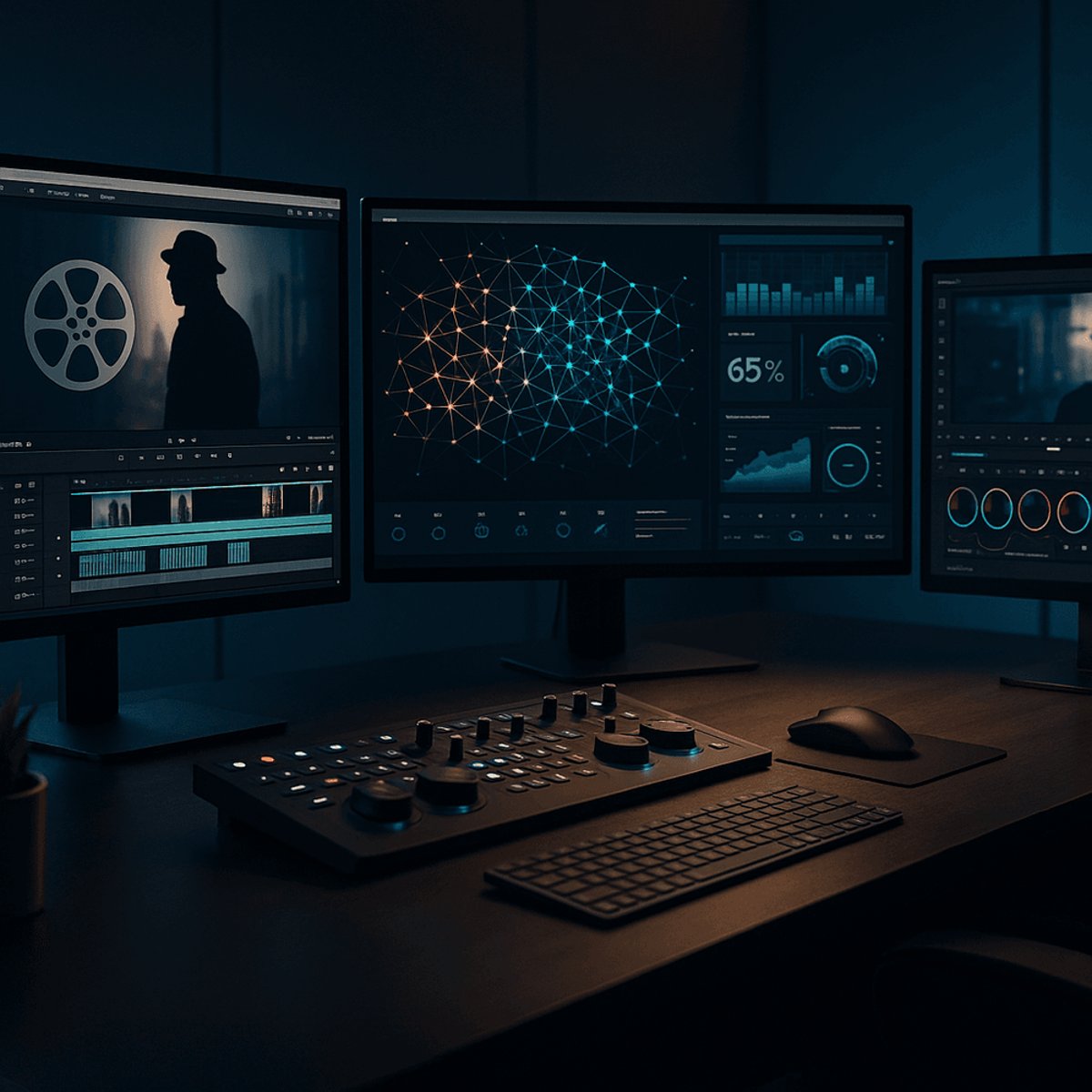
The timing couldn't be more strategic. Netflix churns out more original content than any other streamer - hundreds of films and series annually - and post-production bottlenecks have long plagued the industry. InterPositive's AI tools promise to accelerate the editing process, helping directors and editors sift through mountains of footage more efficiently. While Netflix hasn't detailed exactly how the technology works, the promise is clear: faster turnarounds without sacrificing creative control.
Affleck's involvement adds an unusual celebrity angle to what's otherwise a straightforward enterprise software acquisition. The actor-turned-director has been vocal about AI's potential to enhance rather than replace human creativity in filmmaking. His co-founding of InterPositive represented a rare case of A-list Hollywood talent building technology rather than just endorsing it. That insider credibility likely helped InterPositive gain traction with filmmakers who've been skeptical of AI disrupting their craft.
But the $600 million valuation raises eyebrows even in an industry accustomed to splashy deals. Netflix has historically been conservative with acquisitions, preferring to build in-house or license technology rather than write massive checks. The company's previous largest acquisition was reportedly in the $100-200 million range for smaller studios and gaming companies. This deal signals Netflix sees post-production AI as mission-critical infrastructure, not just a nice-to-have tool.
The acquisition comes as Hollywood grapples with AI's role in content creation. Last year's writers' and actors' strikes put AI guardrails front and center, with unions demanding protections against generative AI replacing human workers. Post-production tools like InterPositive occupy a gray zone - they augment human editors rather than generate content from scratch, making them more palatable to labor groups. Netflix is betting this distinction matters.
Competitors are watching closely. Amazon Studios and Apple TV+ have both invested in AI production tools, though neither has made an acquisition of this scale. Traditional studios like Warner Bros. and Disney have been more cautious, experimenting with AI in visual effects but stopping short of wholesale workflow overhauls. Netflix's aggressive move could force rivals to accelerate their own AI strategies or risk falling behind in production efficiency.
The deal also highlights the blurring lines between tech and entertainment companies. Netflix has long positioned itself as a technology company that happens to make shows, not a traditional media company. Acquiring an AI startup founded by one of Hollywood's most bankable stars perfectly encapsulates that dual identity. It's hard to imagine legacy studios like Paramount making this kind of acquisition - both because of the price tag and the cultural shift it represents.
Financial details beyond the $600 million headline remain scarce. The figure likely includes earnouts tied to performance milestones, a common structure for tech acquisitions where the seller needs to stick around and deliver results. Whether Affleck and his co-founders will remain involved with InterPositive under Netflix's ownership is unclear, though Hollywood insiders speculate the actor's ongoing participation was probably part of the deal.
What's certain is that Netflix is doubling down on AI as a competitive advantage in the streaming wars. With subscriber growth plateauing in mature markets, the company needs to produce more content more efficiently to justify its premium pricing. If InterPositive's tools can shave even a few weeks off production timelines across Netflix's slate, the acquisition could pay for itself within a couple of years. That's the bet Netflix is making - that AI won't just change how films get made, but who wins the streaming wars.
Netflix's $600 million bet on InterPositive isn't just about buying AI technology - it's about fundamentally rewiring how the streaming giant produces content at scale. If the acquisition delivers on its promise of faster, more efficient post-production workflows, it could give Netflix a meaningful edge in the brutal economics of streaming. But it also sets a new benchmark for how much entertainment companies are willing to pay for AI tools, potentially triggering an arms race among rivals who can't afford to fall behind. The real test will be whether InterPositive's technology lives up to the hype when deployed across Netflix's massive content pipeline, and whether filmmakers embrace or resist the AI-assisted workflow. For now, Hollywood is watching to see if a $600 million gamble on AI editing tools was visionary or reckless.