Amazon founder Jeff Bezos stepped back into the spotlight at Italian Tech Week in Turin, delivering his boldest prediction yet: millions of people will be living in space within the next couple of decades. The rare public appearance from the world's second-richest person sent ripples through the tech and space industries, especially as his timeline directly challenges rival Elon Musk's Mars colonization roadmap.
Jeff Bezos just threw down the gauntlet in the billionaire space race. The Amazon founder made a rare public appearance at Italian Tech Week in Turin on Friday, where he boldly predicted that millions of people will be living in space within the next couple of decades, according to Financial Times reporting.
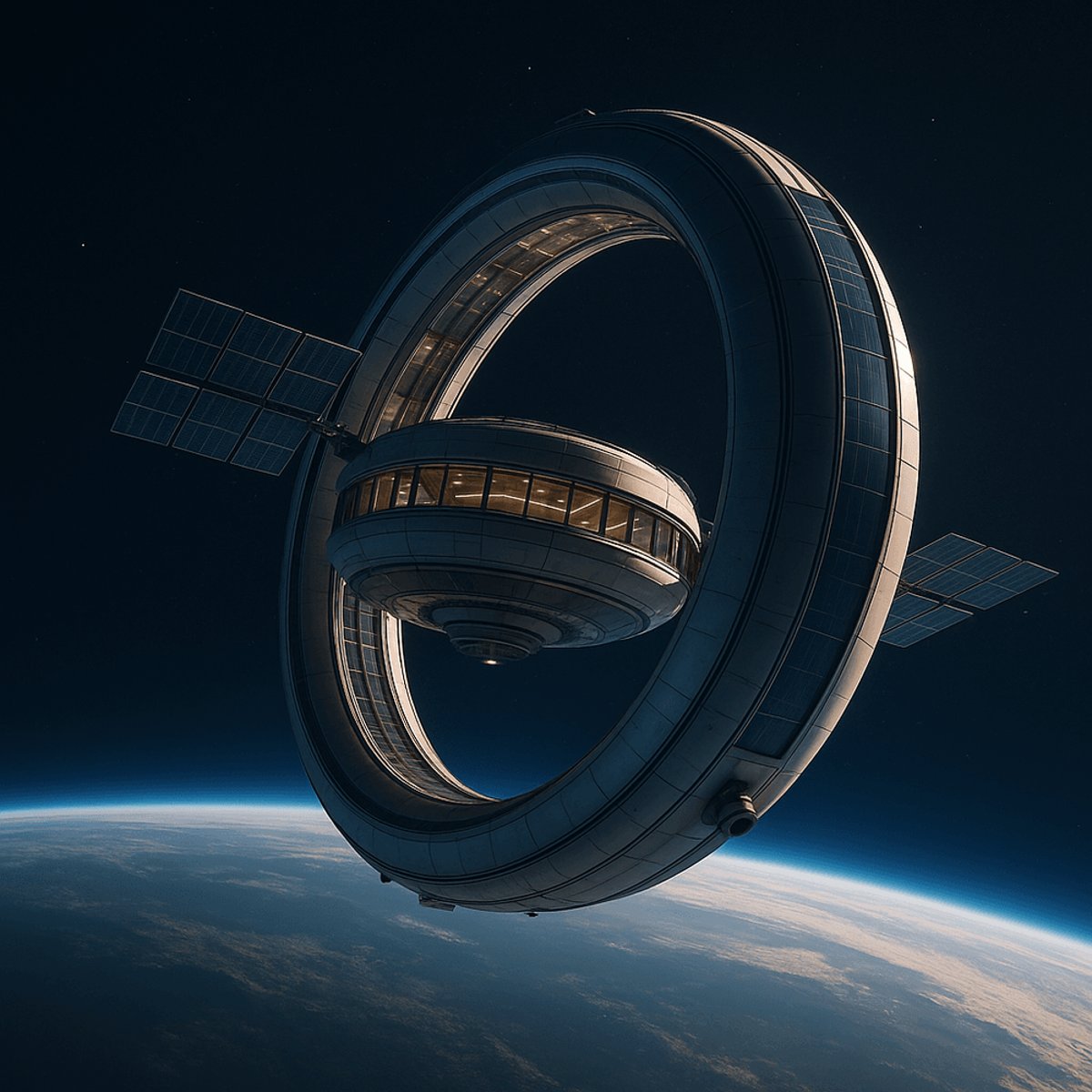
Speaking alongside John Elkann, heir to Italy's powerful Agnelli dynasty, Bezos painted a picture of orbital communities where people choose space living 'mostly because they want to,' not out of necessity. His vision includes robots handling the heavy lifting while massive AI data centers float overhead, powering what could become humanity's first true space economy.
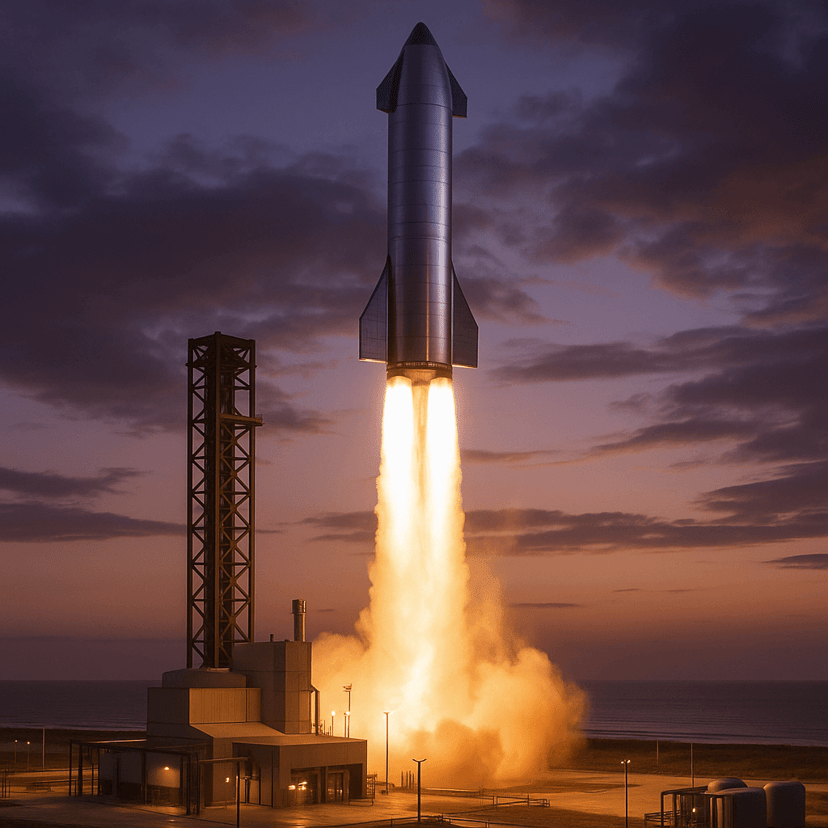
The timing feels deliberate. Elon Musk has spent years promising that one million people will colonize Mars by 2050 - a timeline that's increasingly looking aggressive as SpaceX focuses on Starship development. Bezos's 'couple of decades' prediction puts his Blue Origin company on a collision course with Musk's Mars ambitions, suggesting Earth's orbit might become the real battleground for space colonization.
But Bezos isn't just betting on space tourism. His comments hint at a fundamental shift in how we think about space habitation. While Musk focuses on Mars as humanity's backup planet, Bezos envisions space as a lifestyle choice - luxury orbital communities for those who can afford to escape Earth's gravity.
The Blue Origin founder has been relatively quiet since stepping down as Amazon CEO in 2021, focusing his energy on space ventures and his $10 billion Earth Fund climate initiative. His Turin appearance marks a return to the kind of bold predictions that once made him Amazon's visionary leader.
Bezos also defended the current AI investment frenzy, calling it a 'good' kind of bubble because it's 'industrial' rather than 'financial.' The distinction matters - industrial bubbles historically leave behind valuable infrastructure, while financial bubbles often collapse into nothing. His comments come as venture capital pours billions into AI startups, with many investors wondering if we're heading for another dot-com-style crash.
'There has never been a better time to be excited about the future,' Bezos reportedly told the Turin audience, though his optimism contrasts sharply with growing concerns about AI safety, climate change, and wealth inequality.
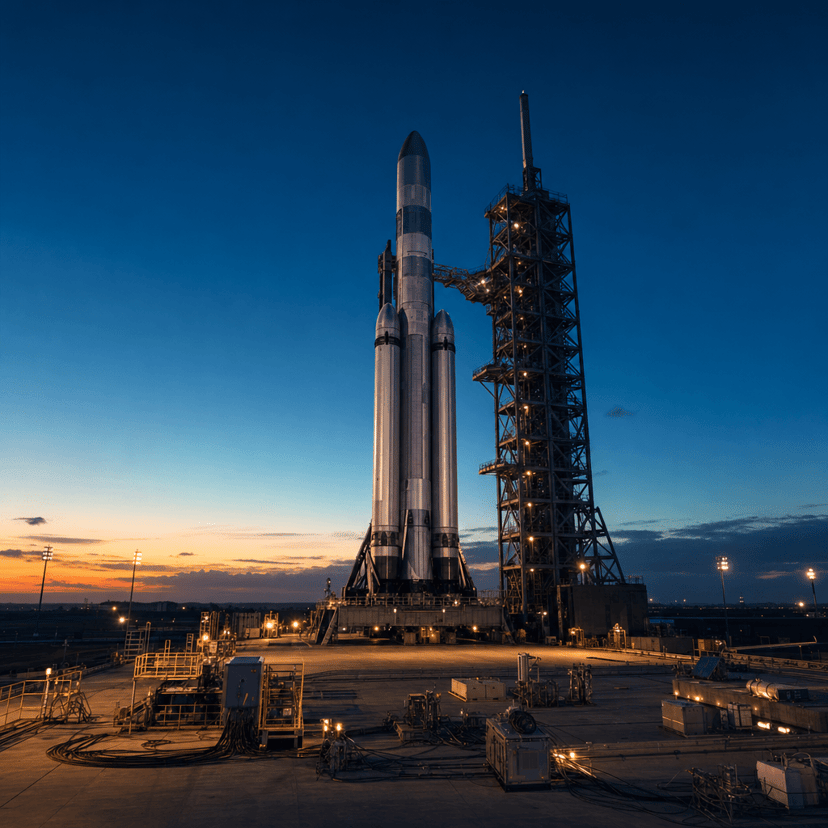
The space prediction isn't entirely without foundation. Blue Origin has been developing its New Shepard suborbital vehicle and planning the larger New Glenn orbital rocket. The company recently announced partnerships for its Orbital Reef commercial space station, which could house up to 10 people by 2030.
Meanwhile, the broader commercial space industry is experiencing unprecedented growth. Companies like SpaceX, Virgin Galactic, and Axiom Space are making regular trips to orbit routine rather than exceptional. NASA's Artemis program aims to establish a permanent lunar presence, while private companies plan orbital manufacturing facilities.
But millions of space residents within decades? That's a massive leap from today's reality, where fewer than a dozen people live in space at any given time aboard the International Space Station. The logistics alone - life support systems, radiation protection, sustainable food production - remain enormous challenges that current technology hasn't solved.
The prediction also raises questions about who gets access to these orbital communities. Bezos's vision of people living in space 'because they want to' sounds appealing, but space habitation will likely remain expensive for the foreseeable future. His comments didn't address whether these millions of space residents would be wealthy tourists or working-class employees of orbital industries.
What's clear is that Bezos sees space colonization as inevitable rather than aspirational. His timeline suggests Blue Origin has major announcements coming, possibly including concrete plans for the orbital habitats he envisions.
Bezos's space colonization timeline sets up a fascinating race between two very different visions of humanity's future beyond Earth. While Musk focuses on Mars as our species' insurance policy, Bezos bets on orbital communities as the next stage of human civilization. The winner might not be determined by rockets alone, but by who can solve the economics of making space living accessible to millions rather than just millionaires. Either way, the next two decades just became a lot more interesting for anyone who's ever looked up at the stars and wondered what's next.