Jeff Bezos' Blue Origin just landed a $190 million contract that could resurrect NASA's cancelled VIPER rover mission. The deal, announced through NASA's Commercial Lunar Payload Services program, marks a crucial test for Blue Origin's lunar ambitions - but there's a catch. The company must first prove it can actually deliver payloads to the moon by successfully landing its Blue Moon MK1 lander before year's end.
Blue Origin just scored its biggest validation yet in the commercial space race. The Jeff Bezos-founded company landed a $190 million task order from NASA to design a delivery plan for the agency's VIPER rover - potentially bringing back to life a mission NASA cancelled just months ago.
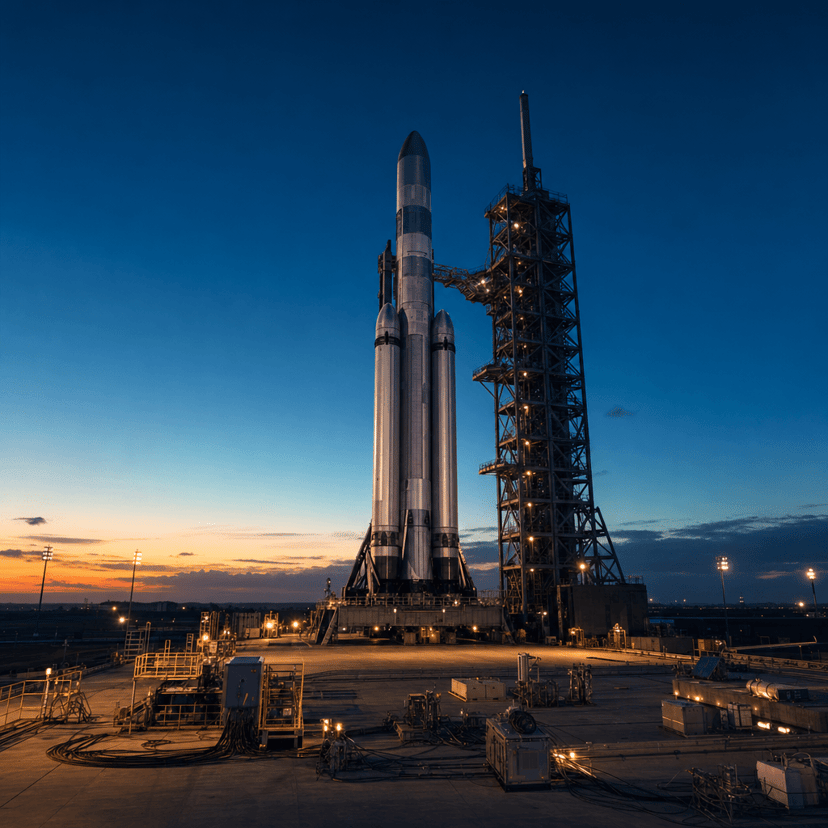
But this isn't a guaranteed launch contract yet. NASA is essentially putting Blue Origin on probation, requiring the company to prove it can actually deliver on its lunar promises. The space agency will only green-light the VIPER delivery if Blue Origin successfully lands its Blue Moon MK1 lander on the lunar surface by the end of 2025, complete with NASA technology payload.
"There is an option on the contract to deliver and safely deploy the rover to the Moon's surface," NASA stated. "NASA will make the decision to exercise that option after the execution and review of the base task and of Blue Origin's first flight of the Blue Moon MK1 lander."
The timing couldn't be more critical for Blue Origin's credibility. While competitors like SpaceX have racked up successful missions and Firefly Aerospace has proven its lunar delivery capabilities, Blue Origin has yet to complete a moon landing. The company won its initial CLPS contract back in 2023 and designed the Blue Moon MK1 specifically to fulfill it.
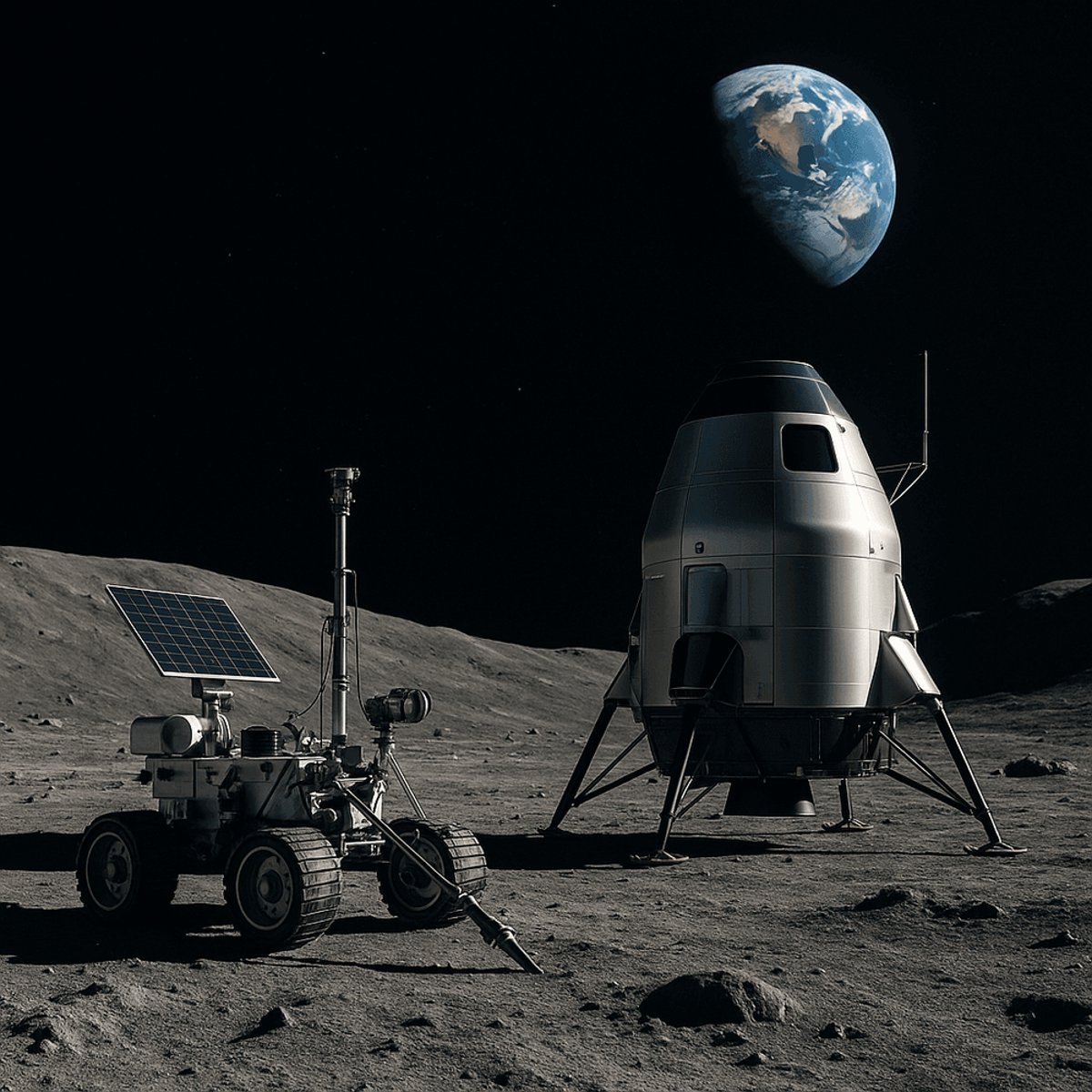
VIPER - short for Volatiles Investigating Polar Exploration Rover - represents exactly the kind of high-stakes mission that could make or break Blue Origin's lunar business. The 2.5-meter tall, 500-kilogram rover was designed to hunt for water ice and other resources at the moon's south pole, equipped with a one-meter drill and three scientific instruments. Originally slated for a 2023 launch, the mission faced repeated delays and cost overruns before NASA pulled the plug in July 2024.
Now the rover gets a second chance, and Blue Origin gets its moment to prove it belongs in NASA's stable of trusted delivery partners. "Our second Blue Moon MK1 lander is already in production and well-suited to support the VIPER rover," the company posted on X within hours of the contract announcement. "Building on the learnings from our first MK1 lander, this mission is important for future lunar permanence."
The commercial space sector has fundamentally changed how NASA approaches lunar exploration. Instead of building everything in-house, the agency now contracts with private companies through its Commercial Lunar Payload Services program, betting that competition will drive down costs while freeing up NASA scientists to focus on research rather than rocket engineering.
Acting NASA Administrator Sean Duffy emphasized this strategic shift in the agency's announcement: "This delivery is just one of many ways we're leveraging US industry to support a long-term American presence on the lunar surface." The rover's mission to explore permanently shadowed regions will help identify future astronaut landing sites and better understand the lunar environment for sustained human presence.
For Blue Origin, this contract represents more than just revenue - it's a chance to finally silence critics who've questioned whether the company can deliver on Bezos' grand space ambitions. With Amazon's founder having invested billions of his personal wealth into the venture, the pressure is mounting to show tangible results.
The stakes extend beyond Blue Origin's reputation. NASA's entire commercial lunar strategy hinges on having multiple reliable delivery partners. If Blue Origin fails its upcoming test flight, NASA loses a key contractor just as lunar exploration is ramping up ahead of the Artemis program's planned astronaut missions.
Success, however, could position Blue Origin as a major player in what's shaping up to be a lucrative lunar economy. With water ice representing a potential fuel source for deeper space missions, companies that can reliably deliver research equipment to the moon's resource-rich south pole stand to benefit from NASA's long-term exploration plans.
Blue Origin's $190 million NASA contract represents a make-or-break moment for Jeff Bezos' space ambitions. While the deal resurrects the promising VIPER mission and validates the commercial space approach, everything hinges on Blue Origin's ability to actually land on the moon by year's end. Success could establish the company as a serious NASA partner alongside SpaceX and other proven contractors. Failure would raise uncomfortable questions about whether Blue Origin can translate its billionaire backing into real lunar delivery capabilities. For NASA, having multiple reliable commercial partners isn't just preferred - it's essential for sustaining America's return to the moon.