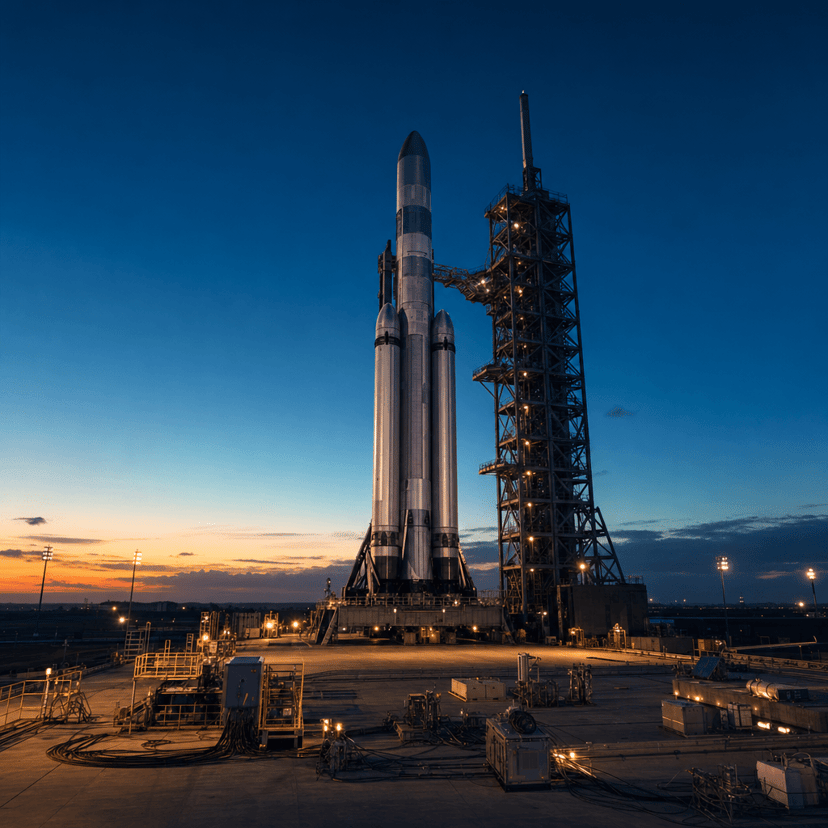
Jeff Bezos' Blue Origin is finally ready to launch its New Glenn mega-rocket for the second time, targeting November 9 from Cape Canaveral. After the January debut flight ended with a first-stage explosion during landing, the company is taking extra precautions with this mission carrying NASA's Mars-bound ESCAPADE spacecraft and a Viasat tech demonstrator - marking New Glenn's first commercial payload flight.
Blue Origin just gave the commercial space industry what it's been waiting for - a firm launch date for New Glenn's crucial second flight. The company announced Wednesday that its super heavy-lift rocket will attempt liftoff as early as Sunday, November 9, from Launch Complex 36 in Cape Canaveral, Florida.
The stakes couldn't be higher. While January's inaugural flight proved New Glenn could reach orbit, it also exposed the rocket's Achilles heel when the first stage exploded during its attempted ocean landing on a drone ship. This time, Blue Origin isn't just testing hardware - it's carrying real customers with real missions that can't afford to fail.
"We're being extra careful with the second launch in part because it will be carrying cargo on behalf of paying customers this time," the company stated, according to TechCrunch's reporting. The caution makes perfect sense given what's riding on this mission.
The primary payload is NASA's twin ESCAPADE spacecraft, designed to study Mars' magnetosphere and atmosphere from orbit around the Red Planet. These aren't replaceable test satellites - they represent years of scientific planning and a specific launch window to Mars that won't come again for two years. A Viasat technology demonstrator will also hitch a ride, testing next-generation satellite communications.
The delay from "late spring" to November reflects the reality of commercial spaceflight, where paying customers demand higher reliability standards than test flights. SpaceX learned this lesson years ago during Falcon 9's transition from demonstration to commercial operations, and now Blue Origin faces the same pressure to prove New Glenn's readiness.
New Glenn's 270-foot height makes it comparable to SpaceX's Falcon Heavy, but with a twist - it's designed for full reusability from day one. The January flight showed the upper stage performs flawlessly, reaching orbit and deploying test payloads successfully. The challenge remains bringing that expensive first stage home in one piece.
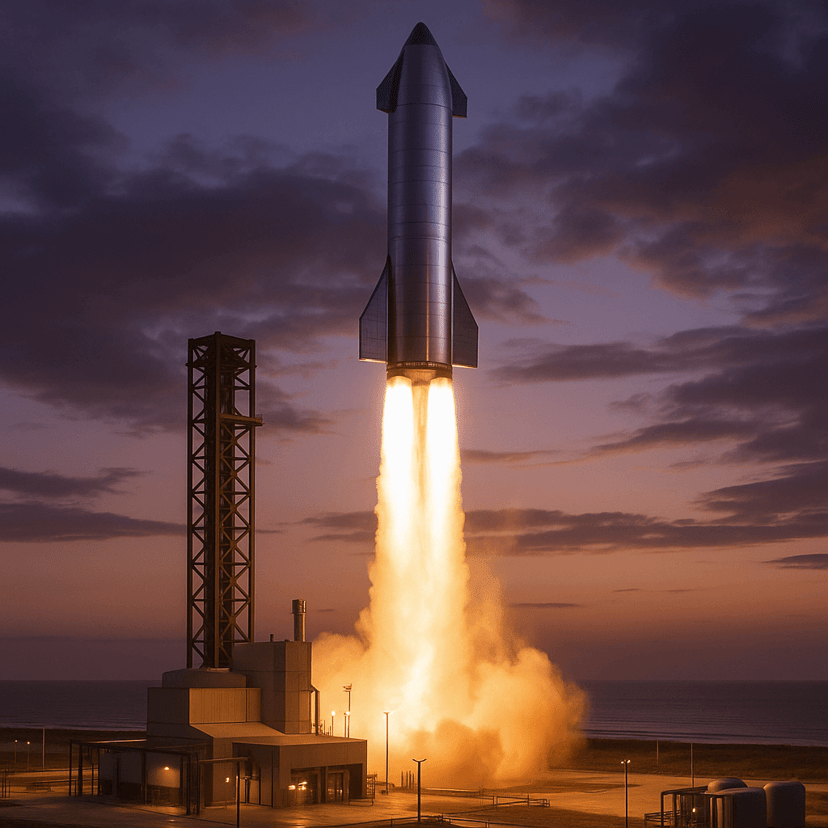
The timing puts Blue Origin in direct competition with SpaceX's increasingly crowded manifest. While Falcon Heavy dominates the super heavy-lift market, New Glenn's larger payload fairing and competitive pricing could capture missions that need extra room or want launch provider diversity.
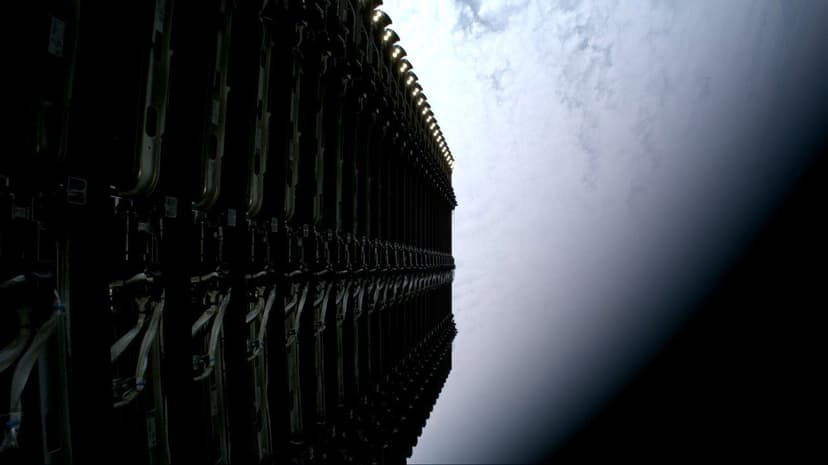
For Amazon's Project Kuiper, this flight matters enormously. Jeff Bezos' e-commerce giant has committed to launching over 3,000 internet satellites aboard New Glenn, but those missions can't start until the rocket proves it can deliver payloads reliably. November 9 represents the first real test of whether New Glenn can handle the cadence Amazon needs.
The broader space industry is watching closely too. United Launch Alliance, Rocket Lab, and others are all vying for pieces of the growing launch market, but New Glenn's combination of capacity and planned reusability could reshape pricing across the sector.
What happens next depends largely on Sunday's outcome. A successful flight and payload deployment would validate Blue Origin's approach and likely accelerate the company's launch schedule for 2026. Another first-stage failure might not doom the program, but it would certainly slow the path to the high-frequency launches Amazon requires for Kuiper.
November 9 marks a pivotal moment for Blue Origin's transition from space tourism novelty to serious launch provider. Success would position New Glenn as a credible alternative to SpaceX's Falcon Heavy while proving the rocket can handle the demanding schedule Amazon's Kuiper constellation requires. Failure wouldn't kill the program, but it would certainly slow Blue Origin's path to competitive relevance in the increasingly crowded commercial launch market.