SpaceX just wrapped up the Starship V2 era with Monday night's successful test flight from Texas, hitting all mission objectives as the company transitions to its more powerful V3 configuration. The milestone test deployed Starlink simulators and trialed new landing maneuvers, clearing the path for orbital docking demonstrations that could make or break NASA's 2027 moon landing timeline.
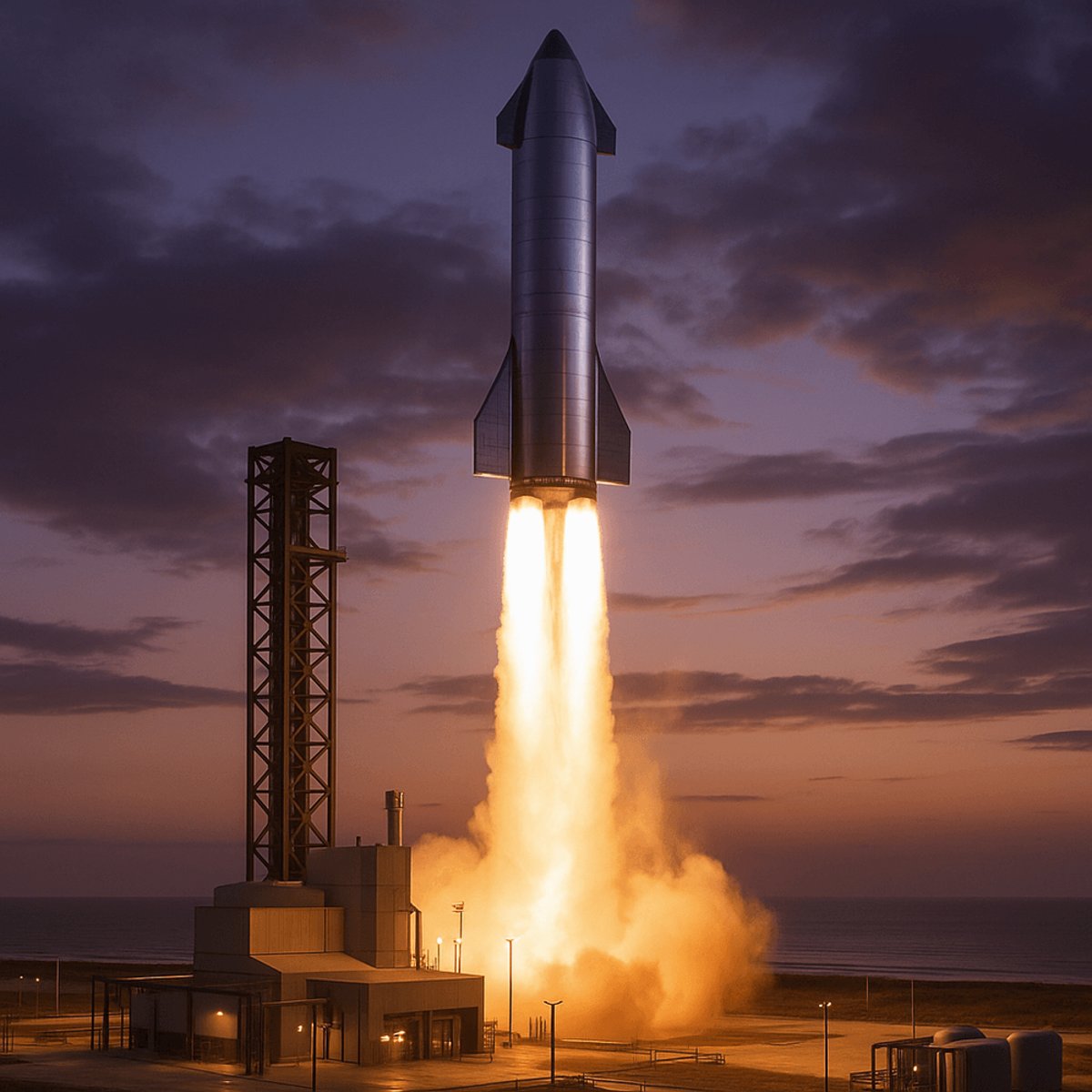
SpaceX marked the end of an era Monday night when its nearly 400-foot Starship V2 lifted off from Starbase, Texas for the final time. The 6:23 PM test flight wasn't just another routine mission - it was the closing chapter of the current configuration before the company moves to its upgraded V3 variant that could determine whether humans return to the moon by 2027.
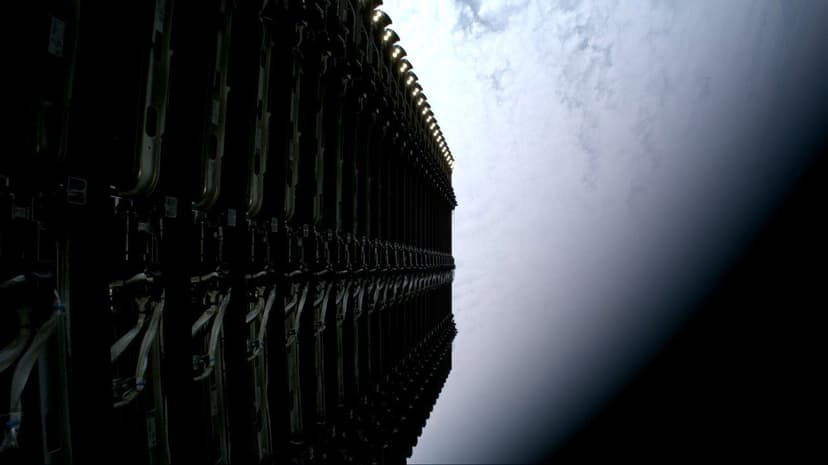
The mission showcased SpaceX's iterative development philosophy in action. The Super Heavy booster, recycled from a March test, executed a complex new landing-burn sequence that reignited 13 engines before throttling down through multiple stages for its Gulf of Mexico splashdown. Meanwhile, Starship's upper stage deployed eight mock Starlink satellite simulators while testing what the company calls a "dynamic banking maneuver" - a technique that'll be crucial for future attempts to land back at the Texas launch site.
"This next iteration will be used for the first Starship orbital flights, operational payload missions, propellant transfer, and more as we iterate to a fully and rapidly reusable vehicle," SpaceX said in its mission summary, outlining the V3's expanded capabilities.
The V3 transition represents more than just another prototype swap. This upgraded configuration introduces orbital docking hardware and propellant transfer systems that NASA desperately needs for its Artemis program. SpaceX won more than $4 billion to develop the Human Landing System variant, but the 2027 timeline hinges on proving these complex orbital operations actually work.
Acting NASA Administrator Sean Duffy celebrated the successful test on social media, calling it "another major step toward landing Americans on the Moon's south pole." But industry observers know the real test comes next - demonstrating that two Starships can dock in orbit and transfer the massive fuel loads needed for deep space missions.
The technical challenges aren't trivial. Unlike smaller spacecraft that dock with the International Space Station, Starship's scale creates entirely new engineering problems. The V3 variant reportedly includes structural reinforcements and Raptor engine upgrades designed to handle higher payload capacities, though SpaceX hasn't released specific performance figures.
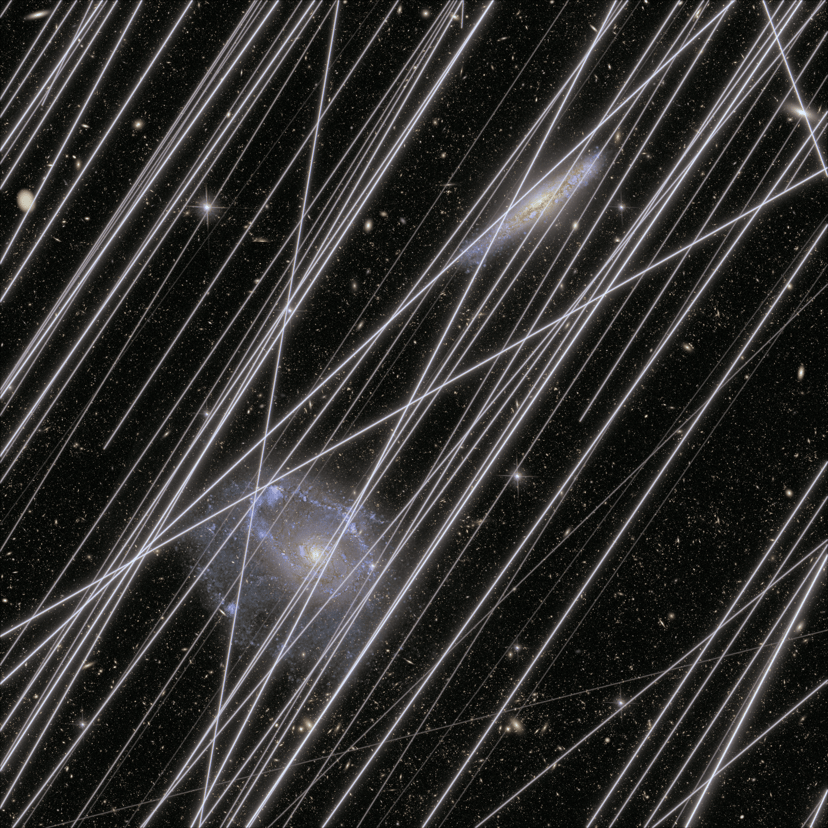
Beyond the NASA contract, V3 serves SpaceX's own commercial ambitions. The company plans to use the upgraded configuration for deploying next-generation Starlink satellites with significantly more capacity than current models. This dual-use approach - serving both government contracts and internal projects - has become SpaceX's signature strategy for spreading development costs.
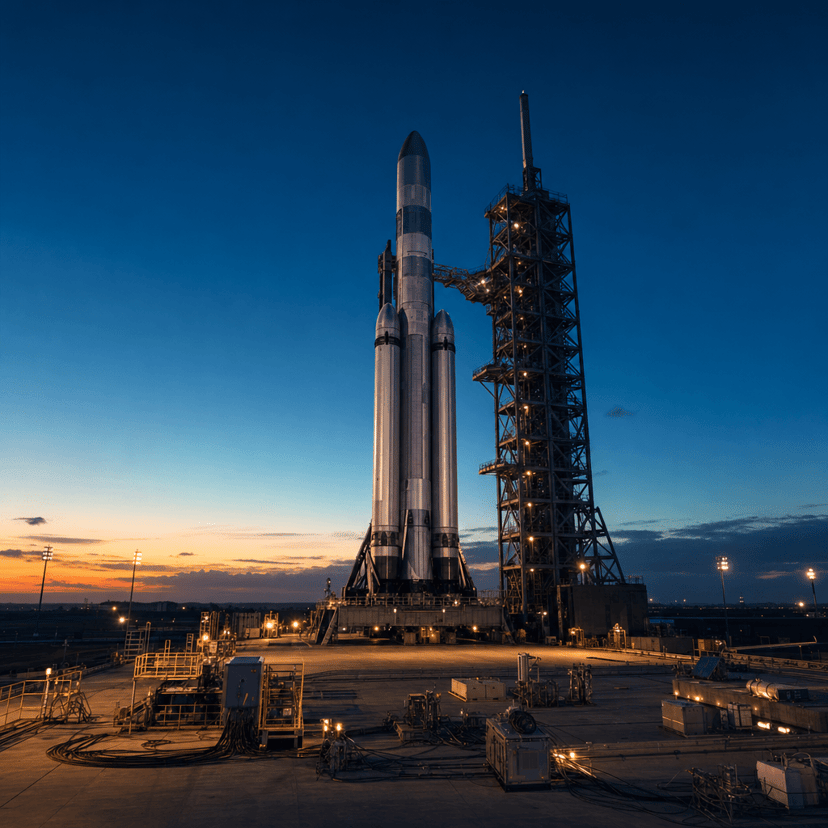
The timing of this transition reflects SpaceX's aggressive development pace. While traditional aerospace programs might spend years between major configuration changes, SpaceX is simultaneously upgrading its Texas facilities and building new launch infrastructure in Florida. Pad A at Starbase is getting major modifications while launches shift to Pad B, and dual launch complexes are under construction at Cape Canaveral and Kennedy Space Center.
This infrastructure expansion signals SpaceX's confidence in Starship's commercial potential, but also highlights the pressure to deliver on NASA's timeline. The Artemis program has already faced multiple delays, and further setbacks could jeopardize America's goal of returning astronauts to the lunar surface before China's competing program achieves the same milestone.
The V2's final flight also continued SpaceX's methodical approach to heat shield testing. Engineers selectively removed tiles and tested new variations to gather reentry data - work that'll inform the thermal protection systems needed for Mars missions. It's this kind of incremental testing that distinguishes SpaceX's development model from traditional aerospace approaches that rely heavily on ground simulation.
What happens next will determine whether this V2 farewell mission becomes a footnote or a turning point. V3's first flights need to prove orbital docking works, that propellant transfers don't create catastrophic failures, and that the upgraded systems can handle the operational tempo NASA requires. The stakes couldn't be higher - for SpaceX's reputation, NASA's timeline, and America's space leadership.
SpaceX's transition from V2 to V3 Starship represents a calculated bet on increasingly complex space operations. The successful farewell flight sets up a crucial testing phase where orbital docking and fuel transfer capabilities will determine not just NASA's moon landing timeline, but SpaceX's broader ambitions for Mars exploration and commercial space infrastructure. With $4 billion in NASA contracts and the company's satellite deployment plans riding on V3's performance, the next series of test flights will be among the most consequential in SpaceX's history.