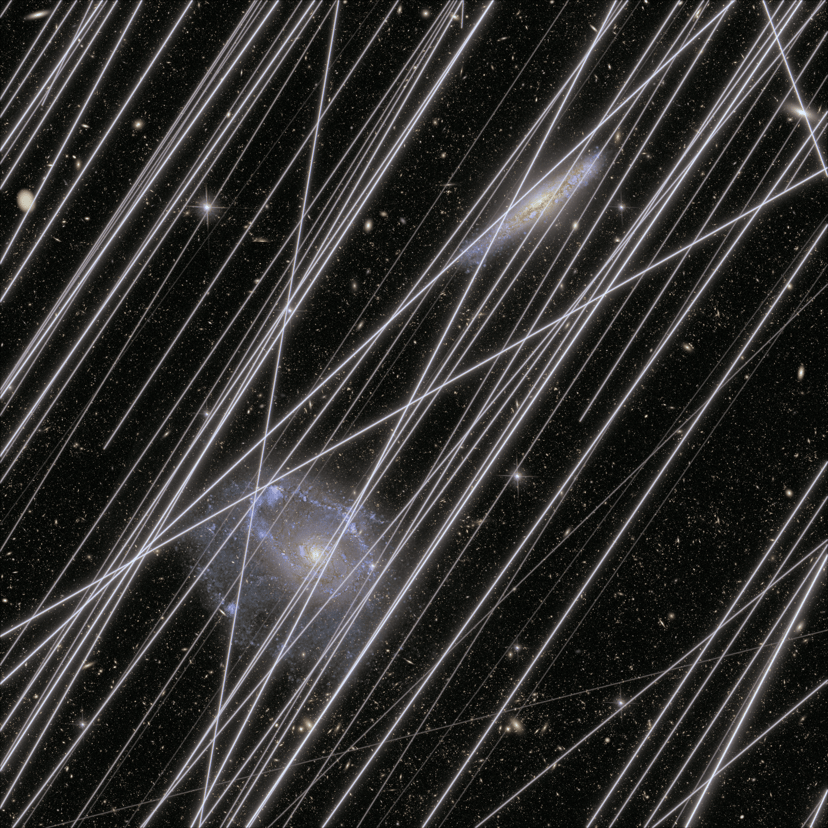
What sounds like science fiction is becoming reality as California startup Aetherflux prepares to launch satellites that capture solar energy in space and beam it back to Earth using infrared lasers. The company, led by Robinhood co-founder Baiju Bhatt, has raised $60 million to test this breakthrough technology that could revolutionize how we generate and distribute clean energy globally.
The concept of beaming solar power from space using lasers sounds straight out of Isaac Asimov's 1940s science fiction, but Aetherflux is making it reality. The California startup plans to launch its first orbital solar satellites aboard a SpaceX rocket next year, marking a pivotal moment for space-based renewable energy.
Robinhood co-founder Baiju Bhatt leads the company as CEO, bringing his fintech expertise to what could become the next frontier in clean energy. "We're going to do a constellation of satellites where each one transmits power with infrared lasers," Bhatt told CNBC. The distributed approach offers key advantages over traditional monolithic space power concepts.
The technology works by collecting solar energy in space - where sunlight is 24/7 and eight times more intense than on Earth's surface - then wirelessly transmitting it through infrared laser beams to small ground stations. As satellites orbit Earth, they can seamlessly switch between multiple receiving stations, maximizing efficiency and power distribution.
This isn't just another moonshot startup burning investor cash. Aetherflux has secured its first major customer: the U.S. Department of Defense. Military applications solve a critical battlefield problem where diesel generator convoys become obvious enemy targets. "Getting power into the battlefield" represents a $60 million opportunity that's already attracted serious backing.
Bill Gates' Breakthrough Energy Ventures led the funding round, joined by heavyweight VCs including Index Ventures, Andreessen Horowitz, and New Enterprise Associates. Christian Garcia, managing partner at Breakthrough Energy Ventures, sees the military contract as validation: "The military customer is large enough - and difficult enough - that if we can serve them, we can build a constellation at scale."
The economics remain challenging. Bhatt admits the technology is expensive now, with cost competitiveness depending on advances in launch technology and component maturation. But he's betting that deploying more satellites with improved versions will drive costs down through economies of scale - the same playbook that made SpaceX and satellite internet viable.
Aetherflux isn't alone in this space race. Competitors include Caltech's Space Solar Power Project, Virtus Solis, and UK-based Space Solar. The competition intensified earlier this year when China announced plans for a massive 1-kilometer-wide solar power station in space that will beam energy back via microwaves rather than lasers.
The timing couldn't be better for space-based solar power. Launch costs have plummeted thanks to reusable rockets, satellite technology has matured, and global demand for clean energy continues surging. Unlike terrestrial solar farms limited by weather and daylight, space-based systems can generate power continuously and beam it anywhere on Earth within minutes.
What makes Aetherflux's approach particularly clever is starting with high-value military applications before expanding to commercial markets. Defense contracts provide stable revenue streams and technical validation needed to attract additional funding and partnerships. Once proven at scale, the same satellites could power remote areas, disaster relief efforts, or supplement grid capacity during peak demand.
Space-based solar power is transitioning from science fiction to commercial reality, with Aetherflux leading the charge toward orbital energy farms. While technical and economic hurdles remain, the combination of plummeting launch costs, maturing satellite technology, and strong military backing creates a compelling path forward. Success here could fundamentally reshape how humanity generates and distributes clean energy, making 24/7 solar power available anywhere on Earth within minutes.